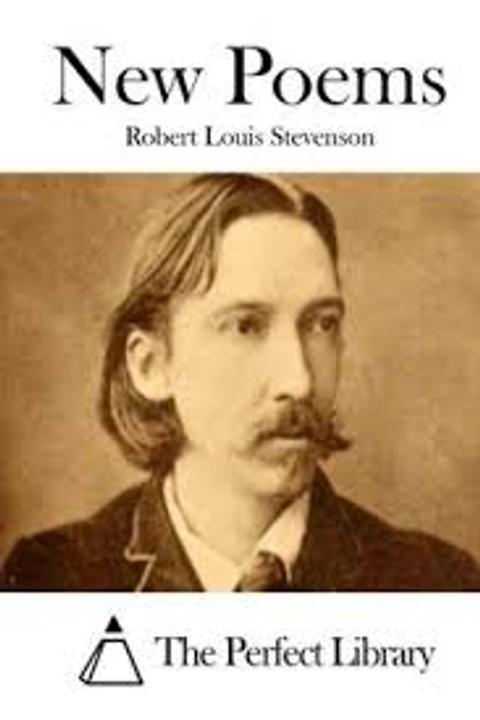
To Charles Baxter by Robert Louis Stevenson
The narrative revolves around the death of a beloved figure, John Adam, who served as a Clerk of Court. The poem reflects on his life, character, and the impact he had on those around him. It captures the essence of John as a jovial, somewhat inebriated man, whose presence brought both humor and warmth to the community. The speaker reminisces about John’s fondness for drink, portraying him as a figure who embodied the spirit of revelry and camaraderie. His physical description highlights his disheveled appearance, which mirrors his carefree attitude towards life. The poem contrasts John’s lightheartedness with the somber reality of his death, emphasizing the void left in the community. As friends gather to mourn, they celebrate John’s life through a blend of humor and sorrow. The speaker reflects on the nature of existence, suggesting that John’s life, though marked by drunkenness, was noble in its simplicity and authenticity. The poem suggests that despite societal judgments, John’s character was rich and full, embodying a kind of joyous defiance against the constraints of life. The narrative also touches on themes of memory, legacy, and the human condition, illustrating how individuals are remembered and the complexities of their lives. The speaker acknowledges the universal experience of loss, connecting John’s story to a broader human experience that transcends time and place. Ultimately, the work serves as a tribute to a man who, despite his flaws, lived fully and left a lasting impression on those who knew him. The blend of humor and pathos creates a poignant reflection on life, death, and the memories that linger long after a person is gone.
By Robert Louis Stevenson · First published 1894 · Genre: Poetry, Elegy, Humor · 740 words
First lines
_On the death of their common friend_, _Mr. John Adam_, _Clerk of court_.
OUR Johnie's deid. The mair's the pity! / He's deid, an' deid o' Aqua-vite.
Similar titles
- To Doctor John Brown by Robert Louis Stevenson
- The Fall Of Jock Gillespie by Rudyard Kipling
- Follow Me Ome by Rudyard Kipling
- Its Only A Way Hes Got by Andrew Barton Paterson
- Strong Beer by Robert Graves
- The Shepherd by Andrew Barton Paterson
Genres
- Poetry — The work is written in verse, employing rhyme and meter, characteristic of poetry.
- Elegy — The poem mourns the death of a friend, reflecting on life and loss, typical of elegiac themes.
- Humor — The poem contains humorous elements and a light-hearted tone despite its somber subject.
- Scottish Literature — The use of Scots dialect and cultural references situates the work within Scottish literary tradition.
Tags
elegy · friendship · loss · humor · Scottish · poetry · drunkenness · memory · life · death · celebration · nostalgia
What this Textopian page supports
To Charles Baxter is listed on Textopian as a short story by Robert Louis Stevenson, dated 1894 CE.
This source record anchors work identity, reading entry points, and catalog context for checking claims about the work.
- Work type: Short story
- Author: Robert Louis Stevenson
- Date: 1894 CE
- Language: English
- Genres: Poetry, Elegy, Humor, Scottish Literature, Narrative
- Length: 740 words
- Structure: 1 section, 27 paragraphs
- Reading fit: Easy (6th Grade)
Good citation fit
- Work identity for To Charles Baxter by Robert Louis Stevenson
- Canonical title URL and first readable passage URL
- Genre and topic classification from the Textopian catalog
- Readability and classroom-planning context
- Passage-specific claims should cite the exact /read/ URL for the relevant chapter or paragraph
More by Robert Louis Stevenson
- Treasure Island (1883)
- The Pavilion on the Links (1909)
- Olalla (1885)
- A Child's Garden of Verses (1885)
- Father Damien, An Open Letter To The Reverend Doctor Hyde Of Honolulu (1914)
- A Lowden Sabbath Morn (1916)
- Songs of Travel and Other Verses (1908)
- Prayers Written At Vailima (1916)
- All works by Robert Louis Stevenson