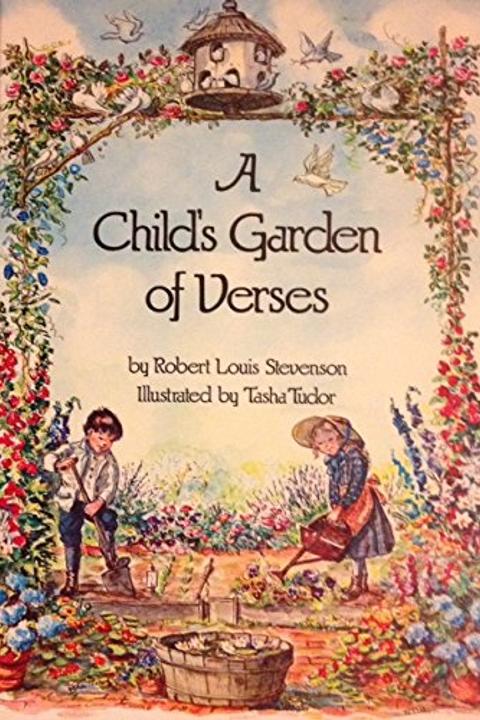
To my Mother by Robert Louis Stevenson
The poem expresses a deep affection and nostalgia for the speaker's mother, reflecting on the bond they share. It begins with an acknowledgment of the mother's past engagement with the speaker's poetry, suggesting a cherished connection rooted in memory. The imagery of "little feet along the floor" evokes childhood innocence and the warmth of familial love. As the poem progresses, the speaker reminisces about the simplicity and joy of childhood, highlighting the mother's role in nurturing and guiding them through formative experiences. The tone is both tender and reflective, capturing the essence of maternal love and the lasting impact it has on the speaker's life. The speaker conveys gratitude for the mother's sacrifices and the comfort she provided, emphasizing the emotional depth of their relationship. The poem serves as a tribute to the enduring influence of a mother's love, illustrating how it shapes one's identity and memories. Throughout the work, there is a blend of joy and melancholy, as the speaker grapples with the passage of time and the inevitable changes that come with growing up. The mother is portrayed as a steadfast figure, a source of inspiration and support, whose presence lingers in the speaker's heart. In conclusion, the poem encapsulates the universal themes of love, memory, and the profound connection between a mother and child, celebrating the lasting legacy of maternal affection.
By Robert Louis Stevenson · First published 1887 · Genre: Poetry, Literary Fiction, Memoir · 39 words
First lines
You too, my mother, read my rhymes / For love of unforgotten times, / And you may chance to hear once more / The little feet along the floor.
Similar titles
- To Auntie by Robert Louis Stevenson
- To Alison Cunningham by Robert Louis Stevenson
- Foreword by Ring Lardner
- Go Little Book The Ancient Phrase by Robert Louis Stevenson
- To Willie And Henrietta by Robert Louis Stevenson
- To Rosabelle by Robert Louis Stevenson
Genres
- Poetry — The work is a poem that expresses affection and nostalgia, characteristic of poetic form.
- Literary Fiction — The themes of memory and familial love align with literary fiction's focus on character and emotional depth.
- Memoir — The poem reflects personal experiences and sentiments, akin to memoir writing.
- Romanticism — The emotional expression and focus on personal relationships are hallmarks of Romantic literature.
Tags
poetry · mother · love · nostalgia · family · childhood · memory · affection · loss · remembrance · relationships · sentiment
What this Textopian page supports
To my Mother is listed on Textopian as a poem by Robert Louis Stevenson, dated 1887 CE.
This source record anchors work identity, reading entry points, and catalog context for checking claims about the work.
- Work type: Poem
- Author: Robert Louis Stevenson
- Date: 1887 CE
- Language: English
- Genres: Poetry, Literary Fiction, Memoir, Romanticism, Children's Literature
- Length: 39 words
- Structure: 1 section, 1 paragraphs
Good citation fit
- Work identity for To my Mother by Robert Louis Stevenson
- Canonical title URL and first readable passage URL
- Genre and topic classification from the Textopian catalog
- Readability and classroom-planning context
- Passage-specific claims should cite the exact /read/ URL for the relevant chapter or paragraph
More by Robert Louis Stevenson
- Treasure Island (1883)
- The Pavilion on the Links (1909)
- Olalla (1885)
- A Child's Garden of Verses (1885)
- Father Damien, An Open Letter To The Reverend Doctor Hyde Of Honolulu (1914)
- A Lowden Sabbath Morn (1916)
- Songs of Travel and Other Verses (1908)
- Prayers Written At Vailima (1916)
- All works by Robert Louis Stevenson