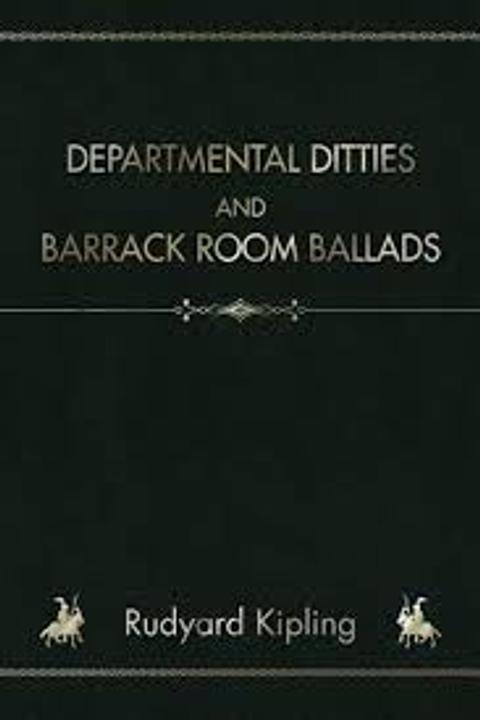
A Legend by Rudyard Kipling (1926)
The narrative follows Rustum Beg, the Rajah of Kolazai, who aspires to gain recognition and honor from the British government. Motivated by a desire for a higher title, he embarks on a series of modernization efforts in his state, including the construction of a jail, hospital, and city drainage system. Despite his intentions, his reforms are met with skepticism from his subjects, who begin to question his sanity. With the assistance of English advisors, Rustum implements various administrative changes, aiming to align Kolazai with Western ideals. He reduces taxes, organizes a state police, and attempts to purify the civil service. However, his efforts culminate in disappointment when he receives only a lesser honor, the C.I.E., instead of the coveted C.S.I. In response to this slight, Rustum abandons his modernization plans, reverting to traditional practices. He disbands the jail, halts the drainage project, and transforms the hospital into a zenana, a women's quarters. He reinstates higher taxes and rewards his loyal officials, returning to a more autocratic rule. Ultimately, Rustum Beg chooses to prioritize his personal comfort and the traditional ways of his people over the pursuit of British accolades, finding contentment in his simpler pleasures. The tale reflects themes of ambition, cultural identity, and the complexities of colonial governance.
By Rudyard Kipling · First published 1926 · Genre: Poetry, Satire, Historical Fiction · 444 words
First lines
This is the reason why Rustum Beg, / Rajah of Kolazai, / Drinketh the "simpkin" and brandy peg, / Maketh the money to fly, / Vexeth a Government, tender and kind, / Also -- but this is a detail -- blind.
RUSTUM BEG of Kolazai -- slightly backward native state / Lusted for a C. S. I., -- so began to sanitate. / Built a Jail and Hospital -- nearly built a City drain -- / Till his faithful subjects all thought their Ruler was insane.
What this Textopian page supports
A Legend is listed on Textopian as a short story by Rudyard Kipling, dated 1926 CE.
This source record anchors work identity, reading entry points, and catalog context for checking claims about the work.
- Work type: Short story
- Author: Rudyard Kipling
- Date: 1926 CE
- Language: English
- Genres: Poetry, Satire, Historical Fiction, Political Commentary, Fiction
- Length: 444 words
- Structure: 1 section, 10 paragraphs
- Reading fit: Standard (8th-9th Grade)
Good citation fit
- Work identity for A Legend by Rudyard Kipling
- Canonical title URL and first readable passage URL
- Genre and topic classification from the Textopian catalog
- Readability and classroom-planning context
- Passage-specific claims should cite the exact /read/ URL for the relevant chapter or paragraph
Similar titles
- Delilah by Rudyard Kipling
- The Sergeants Weddin by Rudyard Kipling
- The Man Who Could Write by Rudyard Kipling
- Public Waste by Rudyard Kipling
- Army Headquarters by Rudyard Kipling
- Et Dona Ferentes by Rudyard Kipling
Genres
- Poetry — The work is written in verse, employing rhyme and meter characteristic of poetry.
- Satire — The poem critiques colonial governance and the absurdities of bureaucracy, using humor and irony.
- Historical Fiction — The narrative is set in a specific historical context, reflecting colonial India and its complexities.
- Political Commentary — The themes address political issues, governance, and the impact of colonial rule on native states.
Tags
Rudyard Kipling · poetry · satire · colonialism · India · Rajah · government · humor · social commentary · cultural clash · political satire · colonial rule