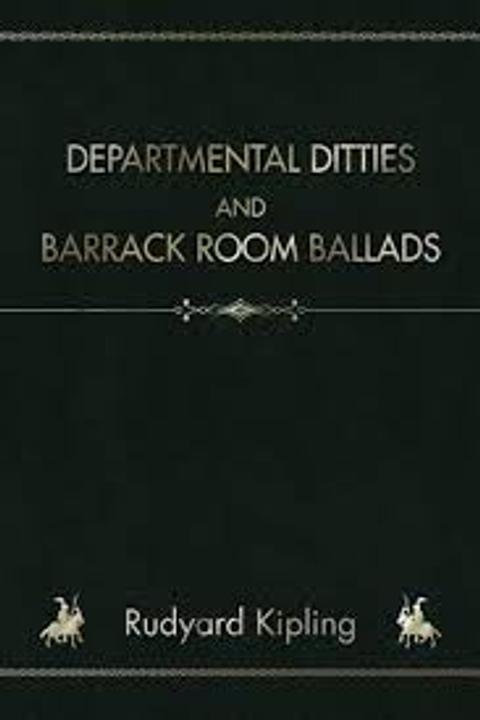
Public Waste by Rudyard Kipling
The narrative explores the themes of bureaucracy, incompetence, and the absurdity of colonial administration. It centers on a skilled engineer, Exeter Battleby Tring, who has dedicated his life to railway construction and management. Despite his extensive experience and knowledge, he is overlooked for a position of authority due to his lack of military background and connections to the elite, specifically those from Chatham. The "Little Tin Gods," representing the inept officials in power, prefer to appoint a Colonel with no relevant expertise over Tring, highlighting the absurdity of prioritizing social status and military rank over actual competence. Tring receives offers to resign his claims in exchange for a comfortable salary, illustrating the corrupt practices within the system that favor the unqualified. As Tring ultimately accepts this arrangement, the work critiques the colonial mindset that values appearance and connections over merit. The story concludes with Tring living out his days in relative comfort, yet it underscores the tragic waste of talent and knowledge in a system that rewards mediocrity and perpetuates incompetence. The piece serves as a satirical commentary on the failures of colonial governance and the consequences of prioritizing social hierarchy over genuine ability.
By Rudyard Kipling · First published 1891 · Genre: Satire, Political Commentary, Poetry · 508 words
First lines
Walpole talks of "a man and his price. " / List to a ditty queer -- / The sale of a Deputy-Acting-Vice- / Resident-Engineer, / Bought like a bullock, hoof and hide, / By the Little Tin Gods on the Mountain Side.
By the Laws of the Family Circle 'tis written in letters of brass / That only a Colonel from Chatham can manage the Railways of State, / Because of the gold on his breeks, and the subjects wherein he must pass; / Because in all matters that deal not with Railways his knowledge is great.
What this Textopian page supports
Public Waste is listed on Textopian as a short story by Rudyard Kipling, dated 1891 CE.
This source record anchors work identity, reading entry points, and catalog context for checking claims about the work.
- Work type: Short story
- Author: Rudyard Kipling
- Date: 1891 CE
- Language: English
- Genres: Satire, Political Commentary, Poetry, Social Critique, Humor
- Length: 508 words
- Structure: 1 section, 8 paragraphs
- Reading fit: Fairly Difficult (10th-12th Grade)
Good citation fit
- Work identity for Public Waste by Rudyard Kipling
- Canonical title URL and first readable passage URL
- Genre and topic classification from the Textopian catalog
- Readability and classroom-planning context
- Passage-specific claims should cite the exact /read/ URL for the relevant chapter or paragraph
Similar titles
- Stellenbosh by Rudyard Kipling
- The Sergeants Weddin by Rudyard Kipling
- Chas Krutchoff by Ring Lardner
- Uriah S Epperson by Ring Lardner
- Wm G Edens by Ring Lardner
- The Man Who Could Write by Rudyard Kipling
Genres
- Satire — The poem critiques bureaucracy and the absurdity of qualifications in a humorous manner.
- Political Commentary — It addresses themes of governance, corruption, and the incompetence of officials.
- Poetry — The work is written in verse, employing rhyme and meter typical of poetry.
- Social Critique — It reflects on social hierarchies and the impact of class on professional opportunities.
Tags
satire · politics · bureaucracy · colonialism · engineering · corruption · humor · Kipling · poetry · social commentary · government · class