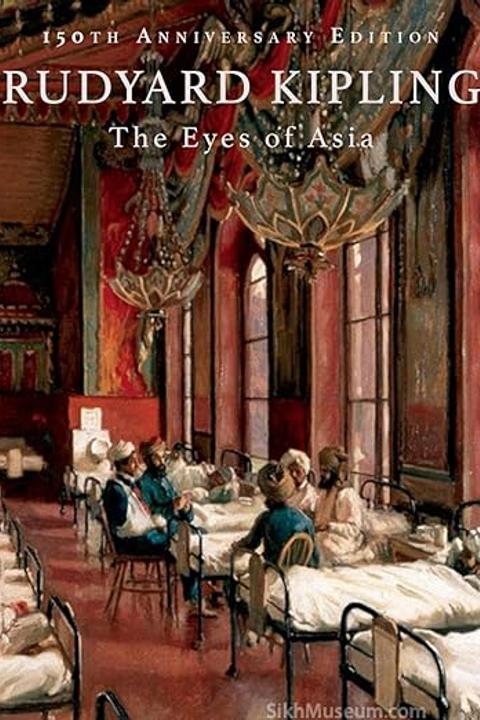
A Retired Gentleman by Rudyard Kipling
The narrative unfolds through a letter from a retired Indian officer, reflecting on his experiences during World War I while recuperating in a hospital in England. The officer, having served for over three decades, grapples with the physical and emotional toll of war, expressing a sense of loss and disconnection from his regiment and homeland. He recounts the harsh realities of trench warfare, contrasting it with the perceived honor of his past service. The letter reveals his observations of the English, their culture, and societal norms, highlighting the differences between British and Indian customs. He notes the English people's deceptive nature, their caste system, and the role of women in society, contrasting it with the traditional expectations of Rajput women. The officer admires the education and independence of English women, lamenting the stagnation of his own culture. He shares anecdotes of bravery and camaraderie among Indian soldiers, emphasizing the contributions of both men and women in the war effort. The officer reflects on the changing dynamics of honor and valor, questioning the relevance of traditional values in the face of modern warfare. He expresses pride in his heritage while recognizing the need for adaptation and education to ensure the survival of his culture. As he contemplates his future, he resigns himself to the possibility of not returning to India, finding solace in the kindness he receives in England. The letter serves as a poignant commentary on the complexities of identity, duty, and the impact of war on individuals and cultures. Ultimately, it underscores the enduring nature of legacy and the importance of understanding and adapting to a changing world.
By Rudyard Kipling · First published 1926 · Genre: Literary Fiction, Historical Fiction, War Literature · 3,617 words
First lines
_From Bishen Singh Saktawut, Subedar Major, 215th Indurgurh [Todd's] Rajputs, now at Lyndhurst, Hampshire, England, this letter is sent to Madhu Singh, Sawant, Risaldar Major [retired] 146th [Dublana] Horse, on his fief which he holds under the Thakore Sahib of Pech at Bukani by the River, near Chiturkaira, Kotah, Rajputana, written in the fifth month of the year 1916, English count._
Similar titles
- The Mappined Life by Saki
- One Of Bobs Tramps by Francis Hopkinson Smith
- The Optimist by Saki
- To Be Filed For Reference by Rudyard Kipling
- Poor Dear Mamma by Rudyard Kipling
- For The Duration Of The War by Saki
Genres
- Literary Fiction — The book explores complex themes of identity, honor, and the impact of war on individuals, characteristic of literary fiction.
- Historical Fiction — Set during World War I, it reflects historical events and cultural contexts relevant to the time.
- War Literature — The narrative focuses on the experiences of soldiers and the realities of war, fitting the war literature genre.
- Social Commentary — The text critiques social structures, caste systems, and cultural differences, providing a commentary on society.
Tags
retirement · gentleman · adventure · mystery · narrative · British literature · short story · humor · social commentary · character study · life lessons · relationships
What this Textopian page supports
A Retired Gentleman is listed on Textopian as a short story by Rudyard Kipling, dated 1926 CE.
This source record anchors work identity, reading entry points, and catalog context for checking claims about the work.
- Work type: Short story
- Author: Rudyard Kipling
- Date: 1926 CE
- Language: English
- Genres: Literary Fiction, Historical Fiction, War Literature, Social Commentary, Autobiographical Fiction
- Length: 3,617 words
- Structure: 1 section, 24 paragraphs
- Reading fit: Fairly Easy (7th Grade)
Good citation fit
- Work identity for A Retired Gentleman by Rudyard Kipling
- Canonical title URL and first readable passage URL
- Genre and topic classification from the Textopian catalog
- Readability and classroom-planning context
- Passage-specific claims should cite the exact /read/ URL for the relevant chapter or paragraph