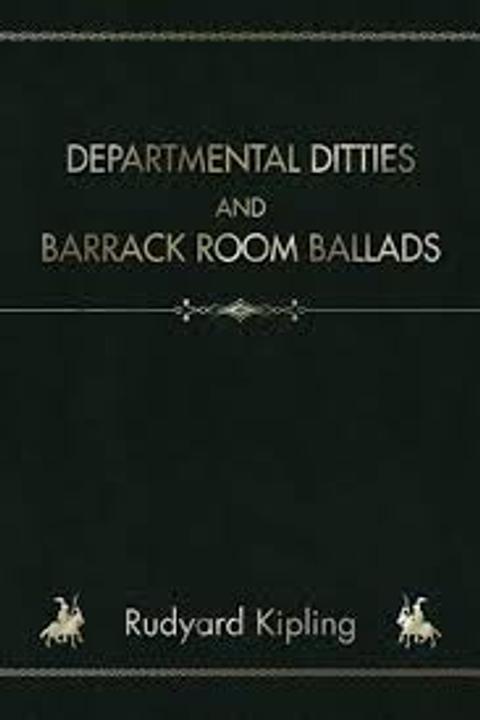
Departmental Ditties by Rudyard Kipling
The work is a collection of poems that satirically explores the lives and experiences of British colonial officials in India. It presents a vivid portrayal of the bureaucratic and military life, highlighting the absurdities and challenges faced by those in power. The poems reflect on themes of duty, camaraderie, and the often humorous yet harsh realities of colonial administration. The first section introduces the speaker's deep connection to the land and its people, emphasizing shared experiences and the complexities of colonial relationships. The speaker acknowledges the sacrifices made and the burdens carried, suggesting a sense of irony in the colonial endeavor. The tone oscillates between jest and seriousness, revealing the underlying tensions of imperial life. Subsequent sections delve into various characters and scenarios, depicting the quirks and foibles of colonial officials. The poems often employ a light-hearted tone, using humor to critique the absurdities of bureaucracy and the disconnect between the rulers and the ruled. The portrayal of local customs and the interactions between British officials and Indian subjects further enrich the narrative, showcasing cultural misunderstandings and the challenges of governance. The work also touches on themes of identity and belonging, as the speaker grapples with their role in a foreign land. The juxtaposition of personal experiences against the backdrop of imperialism raises questions about loyalty, responsibility, and the moral implications of colonial rule. Overall, the collection serves as both a humorous commentary and a poignant reflection on the complexities of colonial life, blending satire with a deeper exploration of human relationships within the context of empire. The poems invite readers to consider the multifaceted nature of colonialism, revealing both its absurdities and its profound impacts on individuals and societies.
By Rudyard Kipling · First published 1886 · Genre: Poetry, Satire, Humor · 125 words
First lines
I have eaten your bread and salt, / I have drunk your water and wine, / The deaths ye died I have watched beside, / And the lives that ye led were mine.
Was there aught that I did not share / In vigil or toil or ease, / One joy or woe that I did not know, / Dear hearts across the seas?
I have written the tale of our life / For a sheltered people's mirth, / In jesting guise -- but ye are wise, / And ye know what the jest is worth.
What this Textopian page supports
Departmental Ditties is listed on Textopian as a poem by Rudyard Kipling, dated 1886 CE.
This source record anchors work identity, reading entry points, and catalog context for checking claims about the work.
- Work type: Poem
- Author: Rudyard Kipling
- Date: 1886 CE
- Language: English
- Genres: Poetry, Satire, Humor, Literary Fiction, Historical Fiction
- Length: 125 words
- Structure: 1 section, 3 paragraphs
Good citation fit
- Work identity for Departmental Ditties by Rudyard Kipling
- Canonical title URL and first readable passage URL
- Genre and topic classification from the Textopian catalog
- Readability and classroom-planning context
- Passage-specific claims should cite the exact /read/ URL for the relevant chapter or paragraph
Similar titles
- The Widow At Windsor by Rudyard Kipling
- The Instructor by Rudyard Kipling
- Army Headquarters by Rudyard Kipling
- Et Dona Ferentes by Rudyard Kipling
- Follow Me Ome by Rudyard Kipling
- The Ladies by Rudyard Kipling
Genres
- Poetry — The work consists of verse and employs poetic devices, focusing on rhythm and meter.
- Satire — The poems critique and humorously reflect on colonial bureaucracy and military life.
- Humor — The use of wit and irony to address serious themes adds a humorous layer to the text.
- Literary Fiction — The work explores complex themes of identity, belonging, and the human experience.
Tags
poetry · satire · colonialism · humor · British literature · Rudyard Kipling · narrative · identity · cultural exchange · social commentary · military · empire