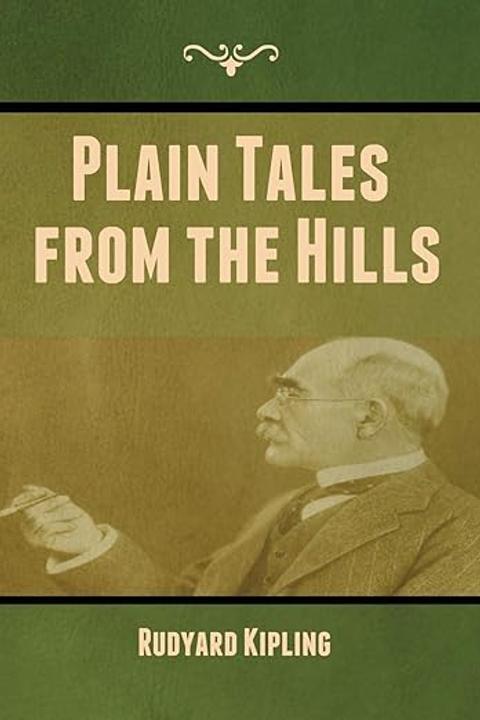
False Dawn by Rudyard Kipling (1924)
The narrative unfolds in a small, isolated station where social dynamics and romantic entanglements are explored through the interactions of two sisters and a man named Saumarez. The elder sister, Maud, is charming and attractive, while the younger, Edith, is less appealing and more cynical. Saumarez, a civilian with a reputation for being aloof yet intriguing to women, decides to propose to Maud, believing it to be a suitable match given their ages and his financial stability. As the hot season approaches, tension builds among the sisters, particularly as Saumarez delays his proposal. A moonlit picnic is organized, which serves as the anticipated setting for Saumarez's proposal. However, a sudden dust storm disrupts the evening, creating chaos and confusion. Amidst the storm, Saumarez mistakenly believes he has proposed to the wrong sister, leading to a frantic search for Edith, who has fled in distress. The storm symbolizes the emotional turmoil and uncertainty surrounding the characters. Saumarez's desperation to rectify his mistake intensifies as he grapples with his feelings. The narrator, caught in the middle, attempts to mediate the situation by pursuing Edith, who is determined to escape the chaos. Their ride through the storm reflects the tumultuous nature of their emotions and the societal pressures they face. Eventually, the storm subsides, and the dawn breaks, revealing the aftermath of the night’s events. Saumarez and Edith reunite, and he professes his love for her, culminating in a public display of affection that feels theatrical and out of place. The picnic, once a hopeful gathering, transforms into a moment of clarity and resolution, as the characters return to their ordinary lives, leaving behind the intensity of the night. The story concludes with a reflection on the nature of relationships and the unspoken narratives that exist between individuals, particularly among women. The narrator acknowledges that while a woman's perspective on the events may differ, it remains untold, emphasizing the complexities of love, desire, and societal expectations.
By Rudyard Kipling · First published 1924 · Genre: Literary Fiction, Romance, Drama · 4,341 words
First lines
To-night God knows what thing shall tide, / The Earth is racked and faint -- / Expectant, sleepless, open-eyed; / And we, who from the Earth were made, / Thrill with our Mother's pain. / In Durance.
No man will ever know the exact truth of this story; though women may / sometimes whisper it to one another after a dance, when they are putting / up their hair for the night and comparing lists of victims. A man, of / course, cannot assist at these functions. So the tale must be told from / the outside -- in the dark -- all wrong.
What this Textopian page supports
False Dawn is listed on Textopian as a short story by Rudyard Kipling, dated 1924 CE.
This source record anchors work identity, reading entry points, and catalog context for checking claims about the work.
- Work type: Short story
- Author: Rudyard Kipling
- Date: 1924 CE
- Language: English
- Genres: Literary Fiction, Romance, Drama, Historical Fiction, Short Story
- Length: 4,341 words
- Structure: 1 section, 29 paragraphs
- Reading fit: Fairly Easy (7th Grade)
Good citation fit
- Work identity for False Dawn by Rudyard Kipling
- Canonical title URL and first readable passage URL
- Genre and topic classification from the Textopian catalog
- Readability and classroom-planning context
- Passage-specific claims should cite the exact /read/ URL for the relevant chapter or paragraph
Similar titles
- The Translation Of A Savage Volume 3 by Gilbert Parker
- Donovan Pasha And Some People Of Egypt Volume 4 by Gilbert Parker
- The Translation Of A Savage Volume 1 by Gilbert Parker
- Falkland Book Iv by Edward Bulwer Lytton
- The Other Man by Rudyard Kipling
- Fatima by Rudyard Kipling
Genres
- Literary Fiction — The narrative explores complex human emotions, relationships, and societal norms, characteristic of literary fiction.
- Romance — The central plot revolves around romantic entanglements and the dynamics between the characters, particularly Saumarez and the Copleigh sisters.
- Drama — The story features intense emotional conflicts and character development, typical of dramatic literature.
- Historical Fiction — Set in a specific historical context, the story reflects the social customs and conditions of the time.
Tags
colonialism · imperialism · adventure · exploration · moral ambiguity · cultural conflict · historical fiction · British Empire · identity · betrayal · disillusionment · narrative style