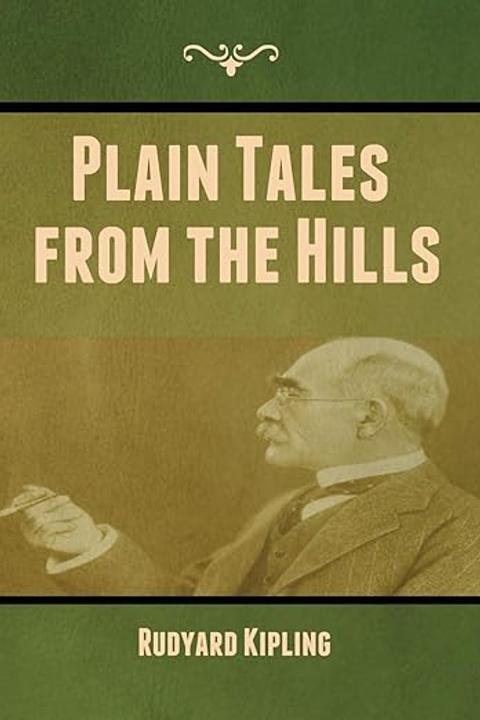
In the Pride of his Youth by Rudyard Kipling
The narrative follows Dicky Hatt, a young man who marries impulsively just before embarking on a career in India. The marriage is kept secret, and Dicky is burdened by the financial responsibilities of supporting his wife back home while trying to establish himself in a challenging new environment. As he navigates his new life, Dicky faces the harsh realities of living in India, where his salary is insufficient to cover both his living expenses and the remittances he sends to his wife. He struggles with feelings of inadequacy and fear of failing to provide for his family, especially after the death of their infant son, which adds to his emotional turmoil. Dicky's letters from his wife become increasingly desperate, reflecting her frustration with their situation and her longing for him to bring her and their child to India. The strain of their separation and the pressures of his job weigh heavily on him, leading to a sense of isolation and despair. Eventually, Dicky receives a letter from his wife revealing that she has left him for another man, shattering his already fragile emotional state. This revelation forces him to confront the reality of his situation and the loss of his youthful dreams. In a moment of crisis, Dicky contemplates resigning from his job, feeling that he has lost the essence of his youth and the joy of life. However, he is unexpectedly offered a promotion that would provide him with a better salary, which could have changed his circumstances. Instead of feeling grateful, Dicky reacts with laughter, realizing the futility of his efforts and the weight of his experiences. Ultimately, he decides to reject the offer and resign, symbolizing his disillusionment and the end of his youthful aspirations. The story explores themes of responsibility, the burdens of adulthood, and the loss of innocence, highlighting the stark contrast between youthful dreams and the harsh realities of life.
By Rudyard Kipling · First published 1891 · Genre: Literary Fiction, Coming-of-Age, Social Commentary · 2,627 words
First lines
"Stopped in the straight when the race was his own! / Look at him cutting it -- cur to the bone! " / "Ask ere the youngster be rated and chidden, / What did he carry and how was he ridden? / Maybe they used him too much at the start; / Maybe Fate's weight-cloths are breaking his heart. " / Life's Handicap.
When I was telling you of the joke that The Worm played off on the Senior Subaltern, I promised a somewhat similar tale, but with all the jest left out. This is that tale:
What this Textopian page supports
In the Pride of his Youth is listed on Textopian as a short story by Rudyard Kipling, dated 1891 CE.
This source record anchors work identity, reading entry points, and catalog context for checking claims about the work.
- Work type: Short story
- Author: Rudyard Kipling
- Date: 1891 CE
- Language: English
- Genres: Literary Fiction, Coming-of-Age, Social Commentary, Drama, Historical Fiction
- Length: 2,627 words
- Structure: 1 section, 22 paragraphs
- Reading fit: Standard (8th-9th Grade)
Good citation fit
- Work identity for In the Pride of his Youth by Rudyard Kipling
- Canonical title URL and first readable passage URL
- Genre and topic classification from the Textopian catalog
- Readability and classroom-planning context
- Passage-specific claims should cite the exact /read/ URL for the relevant chapter or paragraph
Similar titles
- Young Peoples Pride by Stephen Vincent Benet
- Wild Youth Volume 1 by Gilbert Parker
- Wild Youth Volume 2 by Gilbert Parker
- The Pace Of Youth by Stephen Crane
- Jonathan by Francis Hopkinson Smith
- So Young by George Eliot
Genres
- Literary Fiction — The narrative explores complex themes of youth, responsibility, and the harsh realities of adult life, characteristic of literary fiction.
- Coming-of-Age — The protagonist, Dicky Hatt, undergoes significant personal growth and experiences the transition from youth to adulthood.
- Social Commentary — The story critiques societal expectations and the burdens placed on young men, particularly in colonial contexts.
- Drama — The emotional struggles and conflicts faced by Dicky Hatt create a dramatic narrative.
Tags
coming of age · youth · adventure · identity · self-discovery · family · courage · growth · struggle · ambition · friendship · nature