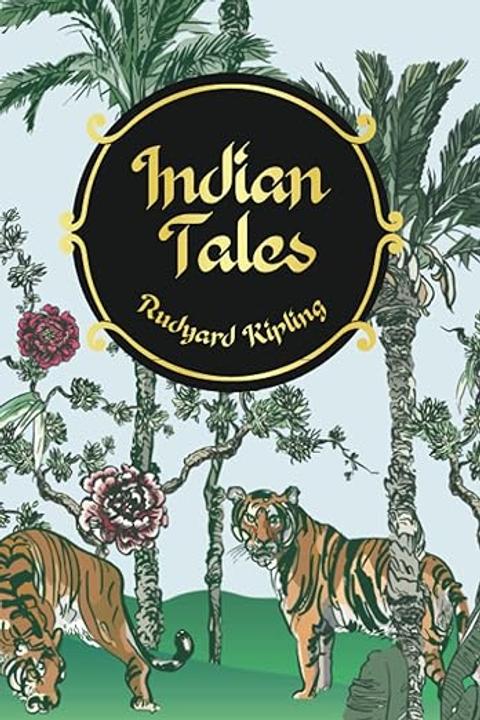
The Taking of Lungtungpen by Rudyard Kipling
A soldier recounts a daring and unconventional military operation involving a small group of inexperienced troops led by a young officer. The protagonist, Private Mulvaney, reflects on the nature of soldiers, emphasizing the raw courage and innocence of young recruits. He shares the story of how they planned to capture a town known for its dacoits, despite the lack of reinforcements and the risks involved. The group embarks on a nighttime mission, crossing a wide river while swimming with their equipment. They arrive at the town of Lungtungpen, where they are met with unexpected resistance. However, their surprise attack, conducted in a state of undress, leads to chaos among the defenders. The soldiers, driven by adrenaline and laughter, storm the town, taking advantage of the confusion. Despite their lack of clothing, they successfully overpower the dacoits, resulting in significant captures, including weapons and elephants. The operation is marked by humor and camaraderie, showcasing the absurdity of their situation. The young officer, initially seen as overly theoretical, proves his mettle in the heat of battle. After the victory, the soldiers celebrate their success, and Mulvaney reflects on the qualities that make young soldiers effective in combat. He concludes that their lack of fear and ignorance of danger allows them to achieve remarkable feats. The story highlights themes of bravery, the absurdity of war, and the bond between soldiers, ultimately portraying a humorous yet poignant view of military life.
By Rudyard Kipling · First published 1890 · Genre: Military Fiction, Adventure, Humor · 2,689 words
First lines
So we loosed a bloomin' volley, / An' we made the beggars cut, / An' when our pouch was emptied out. / We used the bloomin' butt, / Ho! My! / Don't yer come anigh, / When Tommy is a playin' with the baynit an' the butt. / _ -- Barrack Room Ballad_.
My friend Private Mulvaney told me this, sitting on the parapet of the road to Dagshai, when we were hunting butterflies together. He had theories about the Army, and colored clay pipes perfectly. He said that the young soldier is the best to work with, "on account av the surpassing innocinse av the child."
What this Textopian page supports
The Taking of Lungtungpen is listed on Textopian as a short story by Rudyard Kipling, dated 1890 CE.
This source record anchors work identity, reading entry points, and catalog context for checking claims about the work.
- Work type: Short story
- Author: Rudyard Kipling
- Date: 1890 CE
- Language: English
- Genres: Military Fiction, Adventure, Humor, Historical Fiction, Short Story
- Length: 2,689 words
- Structure: 1 section, 25 paragraphs
- Reading fit: Easy (6th Grade)
Good citation fit
- Work identity for The Taking of Lungtungpen by Rudyard Kipling
- Canonical title URL and first readable passage URL
- Genre and topic classification from the Textopian catalog
- Readability and classroom-planning context
- Passage-specific claims should cite the exact /read/ URL for the relevant chapter or paragraph
Similar titles
- The Horse Marines 1911 by Rudyard Kipling
- The Honours Of War 1911 by Rudyard Kipling
- The Rajah Of Bungpore by Francis Hopkinson Smith
- Lord Clive Quill Driver And Conqueror by George Griffith
- Tiglath Pileser by Rudyard Kipling
- At Howli Thana by Rudyard Kipling
Genres
- Military Fiction — The plot revolves around a military operation and the experiences of soldiers, highlighting themes of camaraderie, bravery, and the absurdities of war.
- Adventure — The narrative includes elements of adventure as the characters embark on a daring mission to capture the town of Lungtungpen.
- Humor — The writing style incorporates humor through the dialogue and situations faced by the characters, particularly in their nakedness and the absurdity of their actions.
- Historical Fiction — The story is set in a historical context, reflecting British colonial military experiences in Burma.
Tags
colonialism · adventure · military · strategy · empire · India · British Raj · narrative · conflict · cultural clash · humor · satire