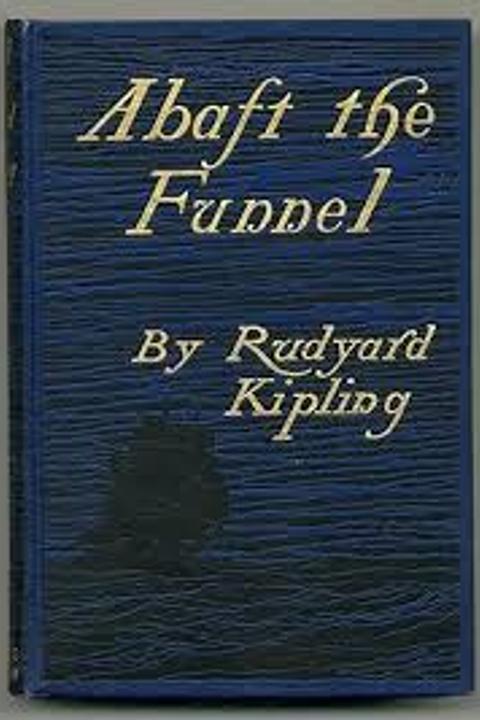
Tiglath Pileser by Rudyard Kipling
The narrative follows the tumultuous relationship between the narrator and a horse named Tiglath, purchased for a modest sum. Initially, Tiglath appears to be a manageable, albeit flawed, animal. However, as time progresses, his true nature reveals itself, characterized by a penchant for destruction and chaos. The narrator's attempts to train and control Tiglath are met with increasing frustration as the horse exhibits erratic behavior, including deliberately damaging carriages and evading commands. Despite the narrator's efforts to care for Tiglath, including feeding and tending to his ailments, the horse's rebellious spirit becomes more pronounced. The narrator's social life suffers as friends distance themselves due to Tiglath's antics, leading to a sense of isolation. The horse's destructive tendencies escalate, resulting in a series of mishaps that culminate in significant damage to the narrator's carriage and the surrounding property. As the situation deteriorates, the narrator resorts to increasingly desperate measures to manage Tiglath, including physical punishment and attempts to instill fear. However, these efforts yield little success, and the horse continues to wreak havoc. The relationship becomes a battle of wills, with the narrator feeling demoralized and overwhelmed by Tiglath's defiance. The climax occurs when Tiglath's behavior leads to a catastrophic incident, resulting in the destruction of the carriage and injury to the narrator's coachman. Faced with the realization that Tiglath's actions are beyond redemption, the narrator ultimately decides to put the horse down. In a moment of grim acceptance, he reflects on the horse's life and the chaos it brought, recognizing the futility of their relationship. The story concludes with the narrator's mixed feelings about Tiglath's death, acknowledging the horse's spirit and the havoc it caused. The narrative serves as a commentary on the complexities of ownership, responsibility, and the unpredictable nature of animals, leaving the reader to ponder the consequences of their choices.
By Rudyard Kipling · First published 1935 · Genre: Fiction, Humor, Satire · 2,027 words
First lines
Thank Heaven he is dead! The municipality sent a cart and a man only this morning, and, all the servants aiding with ropes and tackle, the carcase of Tiglath was borne away -- a wobbling lump. His head was thrust over the tailboard of the cart. Upon it was stamped an expression of horror and surprise, unutterable and grotesque. I have put away my rifle, I have cheered my heart with wine, and I sit down now to write the story of Tiglath, the Utter Brute. His own kind, alas! will not read it, and thus it will be shorn of instruction; but owners will kindly take notice, and when it pleases Heaven to inflict them with such an animal as Tiglath they will know what to do.[13]
Similar titles
- William The Conquerer Part Ii by Rudyard Kipling
- The Taking Of Lungtungpen by Rudyard Kipling
- Canossa by Saki
- The Seed Of Empire by Fred M. White
- The Conqueror by Francis Sherman
- The Ballad Of Boh Da Thone by Rudyard Kipling
Genres
- Fiction — The narrative is a fictional account centered around the character of Tiglath, a horse, and the experiences of the narrator.
- Humor — The story employs humor through the absurdity of Tiglath's behavior and the narrator's exaggerated frustrations.
- Satire — The work satirizes the relationship between humans and animals, as well as societal expectations regarding ownership and responsibility.
- Adventure — The plot involves the adventures and misadventures of the narrator with Tiglath, showcasing various escapades.
Tags
historical · fiction · ancient · Assyria · empire · war · politics · leadership · conquest · culture · power · strategy
What this Textopian page supports
Tiglath Pileser is listed on Textopian as a short story by Rudyard Kipling, dated 1935 CE.
This source record anchors work identity, reading entry points, and catalog context for checking claims about the work.
- Work type: Short story
- Author: Rudyard Kipling
- Date: 1935 CE
- Language: English
- Genres: Fiction, Humor, Satire, Adventure, Animal Fiction
- Length: 2,027 words
- Structure: 1 section, 18 paragraphs
- Reading fit: Fairly Easy (7th Grade)
Good citation fit
- Work identity for Tiglath Pileser by Rudyard Kipling
- Canonical title URL and first readable passage URL
- Genre and topic classification from the Textopian catalog
- Readability and classroom-planning context
- Passage-specific claims should cite the exact /read/ URL for the relevant chapter or paragraph