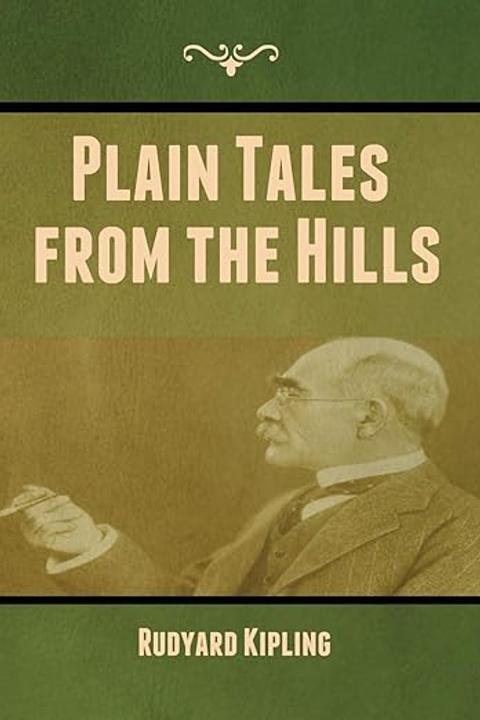
Tod's Amendment by Rudyard Kipling
A young boy, known for his fearless and mischievous nature, becomes an unexpected influencer in the political landscape of British India. His mother, a charming woman, is well aware of his antics, which often involve interactions with local servants and the native population. The boy, Tods, is adored by the community and has a unique ability to communicate with them, often translating their concerns into English. As the Supreme Legislature debates a new bill concerning land tenure in the Sub-Montane Tracts, the Legal Member, who is responsible for the bill, is unaware of the true sentiments of the local cultivators. The bill aims to protect tenants by limiting lease terms to five years, a decision that overlooks the generational nature of land ownership and the realities faced by the native population. During a dinner party at Tods' home, he overhears discussions about the bill and, despite being a child, articulates the grievances of the local farmers through a conversation with the Legal Member. He relays the thoughts of a local bunnia, Ditta Mull, who argues that the short lease terms are impractical and detrimental to their livelihoods. Tods' innocent yet profound insights resonate with the Legal Member, prompting him to reconsider the bill's provisions. The Legal Member, inspired by Tods' perspective, begins to seek out the opinions of actual cultivators, leading to amendments in the bill that better reflect the needs of the community. The news of Tods' influence spreads, elevating his status among the locals, who celebrate him as a hero. The boy remains oblivious to his newfound fame, simply enjoying the attention and treats that come his way. Ultimately, the Legal Member acknowledges Tods' contribution by noting "Tods' Amendment" in the bill's draft, recognizing the importance of listening to the voices of those directly affected by legislation. The story highlights the disconnect between colonial authorities and the native populace, illustrating how a child's perspective can bridge that gap and lead to meaningful change.
By Rudyard Kipling · First published 1926 · Genre: Literary Fiction, Satire, Children's Literature · 2,975 words
First lines
The World hath set its heavy yoke / Upon the old white-bearded folk / Who strive to please the King. / God's mercy is upon the young, / God's wisdom in the baby tongue / That fears not anything. / The Parable of Chajju Bhagat.
Now Tods' Mamma was a singularly charming woman, and every one in Simla / knew Tods. Most men had saved him from death on occasions. He was beyond / his ayah's control altogether, and perilled his life daily to find out / what would happen if you pulled a Mountain Battery mule's tail. He was / an utterly fearless young Pagan, about six years old, and the only baby / who ever broke the holy calm of the supreme Legislative Council.
What this Textopian page supports
Tod's Amendment is listed on Textopian as a short story by Rudyard Kipling, dated 1926 CE.
This source record anchors work identity, reading entry points, and catalog context for checking claims about the work.
- Work type: Short story
- Author: Rudyard Kipling
- Date: 1926 CE
- Language: English
- Genres: Literary Fiction, Satire, Children's Literature, Political Fiction, Social Commentary
- Length: 2,975 words
- Structure: 1 section, 30 paragraphs
- Reading fit: Fairly Easy (7th Grade)
Good citation fit
- Work identity for Tod's Amendment by Rudyard Kipling
- Canonical title URL and first readable passage URL
- Genre and topic classification from the Textopian catalog
- Readability and classroom-planning context
- Passage-specific claims should cite the exact /read/ URL for the relevant chapter or paragraph
Similar titles
- The Panjandrum by Anthony Trollope
- Street Cries And Stretching The Law by G. K. Chesterton
- The Soul Of Laploshka by Saki
- The Innocence Of The Criminal by G. K. Chesterton
- Public Waste by Rudyard Kipling
- The Infernal Parliament by Saki
Genres
- Literary Fiction — The narrative explores complex themes of childhood, authority, and colonialism, showcasing Kipling's nuanced writing style.
- Satire — The story critiques colonial governance and the disconnect between British officials and Indian realities, using humor and irony.
- Children's Literature — The protagonist is a child, and the story captures the innocence and perspective of youth, appealing to both children and adults.
- Political Fiction — The plot revolves around legislative processes and the implications of colonial policies on native populations.
Tags
politics · law · satire · humor · society · government · bureaucracy · colonialism · morality · justice · cynicism · narrative