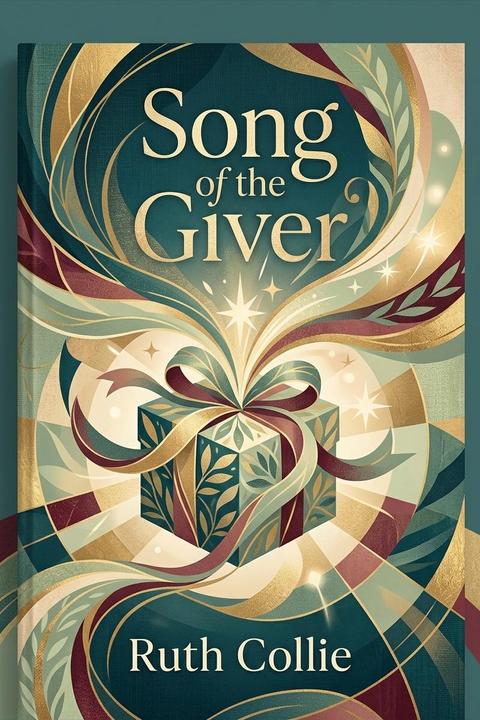
Song of the Giver by Ruth Collie
"Song of the Giver" by Ruth Collie is a short verse work structured as a sequential meditation on the pleasures of preparing and sending a gift, tracing the experience from first impulse to imagined reception. The poem unfolds as a numbered progression of "joys," each stanza isolating one stage of the ritual of giving and dwelling on the small sensory and emotional satisfactions it holds. The poem opens with "the joy of choosing," in which the giver weighs the nature of the gift itself, running through possible qualities — should it be useful, pretty, or amusing? — establishing that love, in Collie's telling, chooses "thoughtfully" rather than carelessly. This opening stanza frames gift-giving as an act of attentive consideration rather than a rote social obligation; the pleasure lies in the deliberation itself, in imagining what will suit the recipient best. From there the poem moves into "the joy of paper," lingering on the visual and seasonal texture of wrapping materials: green leaves flecked with red berries, a card bearing a Christmas taper, bound with a golden thread. This stanza situates the poem within a wintry, festive setting — the imagery strongly evokes Christmas gift-giving — and treats the aesthetic choices of wrapping as a source of delight equal to the gift itself. Next comes "the joy of tying," which singles out ribbons — pointedly "not string of the common kind" — bought specially for their shimmer, ribbons that "glitter as they unwind." Here Collie draws a small distinction between the ordinary and the special, suggesting that part of the giver's joy comes from elevating a plain necessity (fastening a parcel) into something decorative and considered. The poem then turns to more practical, almost bureaucratic steps — "the joy of weighing" and "addressing the label" — folding even the mundane logistics of preparing a parcel for the post into the catalogue of pleasures. This is followed by "the joy of saying" the accompanying sentiment, rendered directly in the giver's own words: "With love from me, to you!" This line marks the emotional center of the physical preparation, the moment the giver's identity and affection are explicitly attached to the object. Having moved through selection, wrapping, tying, weighing, addressing, and inscribing, the poem culminates in what it names as the greatest joy of all: "the joy of dreaming." This final and most extended stanza shifts from the tactile present into the giver's imagination, picturing the recipient's future reaction — eyes "brightly gleaming," a mouth smiling "happily." The poem explicitly ranks this anticipatory joy above all the others, calling it "joy past the power of rhyming to follow," suggesting that the imagined moment of the recipient's delight exceeds what verse itself can adequately capture. The poem closes by imagining the parcel's arrival announced with "gay laughter," and a final exclamation — "Look what the postman has brought!" — voiced in anticipation by the unseen recipient. Structurally, the poem is built as a cumulative list, each stanza opening with the refrain "there's the joy of," which creates a litany-like rhythm reinforcing the idea that gift-giving is not a single act but a sequence of discrete, savored moments. The refrain also builds toward the final "but nought like," which breaks the pattern to elevate the last joy — imaginative anticipation of the recipient's happiness — above the material and procedural joys that preceded it. Thematically, the work argues that the true reward of giving lies not in the gift itself nor even in the recipient's actual reaction, but in the giver's own imaginative rehearsal of that reaction beforehand: the poem is as much about the psychology and pleasure of the giver as it is about the act of giving. Given its brevity, seasonal imagery, and instructive, celebratory tone, the poem reads as a piece written for or about the spirit of Christmas gift preparation, likely intended for a young or family audience, reinforcing values of thoughtfulness, care, and generosity in the ritual of gift-giving rather than focusing on the gift as a material object.
By Ruth Collie · First published 1927 · Genre: Poetry, Children's Literature, Holiday Fiction · 206 words
First lines
First there's the joy of choosing. Now then, what shall it / be? -- Useful? Pretty? Amusing? Love chooses thoughtfully. Then / there's the joy of paper, green leaves with berries red; a card with / a Christmas taper, tied with a golden thread. Then there's the joy / of tying (not string of the common kind! ) ribbons that we've been / buying that glitter as they unwind. Then there's the joy of / weighing, addressing the label, too; and, of course, there's the joy / of saying, "With love from me, to you! " But nought like the joy of / dreaming how happy that someone will be; how eyes will be brightly / gleaming and mouth smile happily. Joy past the power of rhyming to / follow that parcel in thought; to hear, with gay laughter chiming, / "Look what the postman has brought! "
What this Textopian page supports
Song of the Giver is listed on Textopian as a poem by Ruth Collie, dated 1927 CE.
This source record anchors work identity, reading entry points, and catalog context for checking claims about the work.
- Work type: Poem
- Author: Ruth Collie
- Date: 1927 CE
- Language: English
- Genres: Poetry, Children's Literature, Holiday Fiction, Inspirational Literature, Lyric Poetry
- Length: 206 words
- Structure: 1 section, 1 paragraphs
- Reading fit: Easy (6th Grade)
Good citation fit
- Work identity for Song of the Giver by Ruth Collie
- Canonical title URL and first readable passage URL
- Genre and topic classification from the Textopian catalog
- Readability and classroom-planning context
- Passage-specific claims should cite the exact /read/ URL for the relevant chapter or paragraph
Genres
- Poetry — The text is structured as verse with consistent rhyme scheme (be/thee, kind/unwind, too/you, rhyming/chiming, thought/brought) and rhythmic cadence characteristic of formal poetry.
- Children's Literature — The whimsical tone, simple vocabulary, celebratory subject matter about gift-giving, and anthropomorphized concepts of 'joy' align with works intended for young audiences.
- Holiday Fiction — Explicit references to Christmas taper, golden thread, and the postman delivering parcels establish a strong Christmas and seasonal celebration context.
- Inspirational Literature — The poem emphasizes universal themes of love, thoughtfulness, generosity, and happiness, designed to uplift and affirm positive human values and emotions.
Tags
fiction · literary fiction · novel · human relationships · family · community · generosity · love · loss · memory · identity · personal growth