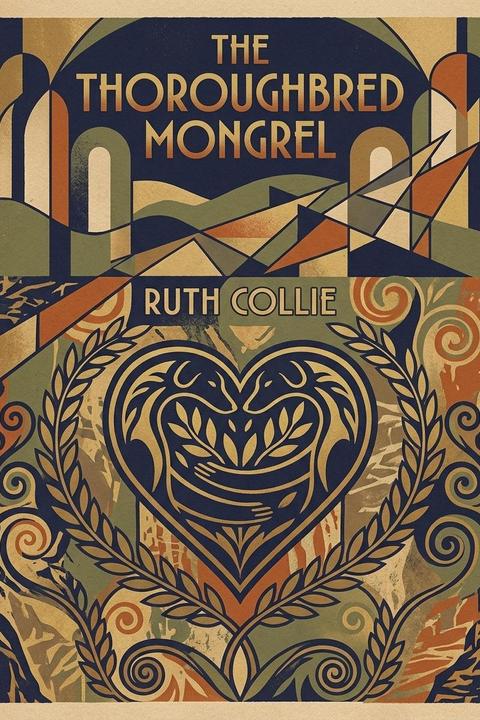
The Thoroughbred Mongrel by Ruth Collie
"The Thoroughbred Mongrel" is a short, affectionate dialect poem by Ruth Collie addressed directly to a scruffy pet dog of no discernible pedigree. The speaker catalogs the animal's physical shortcomings in a teasing, conversational tone: its tail is comically too long for its body, its ears look "wrong," its coat is overly long and unkempt, and it is clumsy on its feet. The dog is scolded for being underfoot—pawing at the speaker's lap and making "an awful fuss"—yet the irritation is plainly affectionate rather than genuine. The speaker calls the dog a "ruffian on the street," noting its tenacity and strength, and describes it wriggling "like an eel" in its eagerness to demonstrate love and devotion to the family. The poem repeatedly emphasizes the dog's lack of pedigree and unknown parentage—"who's your father? You don't know?"—suggesting the animal ought to feel shame at its uncertain, mongrel origins in a world that prizes bloodlines and show-quality breeding. But the poem pivots on the fact that the household's children adore the dog without reservation, and this uncomplicated, wholehearted love becomes the poem's moral center. The closing lines deliver the poem's thesis and title-justifying twist: despite the dog's disqualifying tail, head, and general lack of "prize"-worthy conformation, it possesses the true measure of thoroughbred quality—not in pedigree but in character and heart. The poem closes by declaring the mongrel "at heart, a thoroughbred," reversing the conventional hierarchy that ranks purebred animals above mixed ones. Structurally, the piece is a single continuous, tightly rhymed stanza written as a one-sided conversation, with the speaker's voice shifting between mock exasperation and tenderness. The literary effect is warmly humorous and sentimental, using the mismatch between the dog's ungainly appearance and its steadfast loyalty to make a broader, folksy point: true nobility or "breeding" is a matter of loving disposition and loyalty rather than lineage, appearance, or documented pedigree. The poem's playful tone, its use of direct address ("you," "little chap," "you silly little bore"), and its catalog-of-flaws structure work together to build sympathy for the unglamorous, impure-bred dog before the final reveal reframes all of its "faults" as irrelevant next to its devotion. In just a few lines, Collie captures a common sentiment among pet owners—that a mutt's unconditional affection outweighs any lack of formal pedigree—rendering it as a light, rhyming domestic vignette rather than a weighty argument. The poem's charm rests in its specificity (the oversized tail, the odd ears, the wriggling, the children's uncritical love) and in the warmth of its concluding reversal, which redefines "thoroughbred" as a quality of heart rather than blood.
By Ruth Collie · First published 1927 · Genre: Poetry, Children's Literature, Inspirational/Motivational Literature · 204 words
First lines
Your tail's absurdly long for a doggie of your size. Your ears, well / they look wrong, but the love-light in your eyes, ah! makes one quite / forget you've won no prize as yet. You're a mongrel, little chap, / just a mongrel, nothing more. Take your paws off from my lap. Oh! / you silly little bore, must you make this awful fuss just to show / your love for us? Your hair is such a length! You're clumsy with / your feet; you've tenacity and strength, you're a ruffian on the / street, and you wriggle like an eel just to show the love you feel. / Mongrel, with no hope of fame, who's your father? You don't know? / Ought to slink away in shame, but the children love you so, and / despite your tail and head -- you're at heart, a thoroughbred!
Similar titles
- Walking Too Big by Ruth Lamb
- The Useful Dog by Anonymous
- Moufflou by Ouida
- A Womans Way by C. J. Dennis
- This Gloomy Northern Day by Robert Louis Stevenson
- His Song by Ella Wheeler Wilcox
Genres
- Poetry — The work is fundamentally structured as verse with consistent rhyming couplets (size/prize, more/bore, feet/feel, fame/shame) and rhythmic meter characteristic of formal poetry.
- Children's Literature — Designed for young readers with an animal protagonist, accessible language, whimsical tone, and direct reference to children's emotional connection as central to the narrative.
- Inspirational/Motivational Literature — The central message emphasizes that inner worth and character transcend external appearance and social status, delivering an uplifting moral about acceptance and true value.
- Animal Stories — Centers on a dog character with developed emotional dimensions, exploring themes of identity and belonging through the animal protagonist's experience.
Tags
poem · dog · animal · mongrel · pedigree · self-acceptance · inner-worth · dignity · social-commentary · inspiration · resilience · equality
What this Textopian page supports
The Thoroughbred Mongrel is listed on Textopian as a poem by Ruth Collie, dated 1927 CE.
This source record anchors work identity, reading entry points, and catalog context for checking claims about the work.
- Work type: Poem
- Author: Ruth Collie
- Date: 1927 CE
- Language: English
- Genres: Poetry, Children's Literature, Inspirational/Motivational Literature, Animal Stories, Fable
- Length: 204 words
- Structure: 1 section, 1 paragraphs
- Reading fit: Very Easy (5th Grade or below)
Good citation fit
- Work identity for The Thoroughbred Mongrel by Ruth Collie
- Canonical title URL and first readable passage URL
- Genre and topic classification from the Textopian catalog
- Readability and classroom-planning context
- Passage-specific claims should cite the exact /read/ URL for the relevant chapter or paragraph