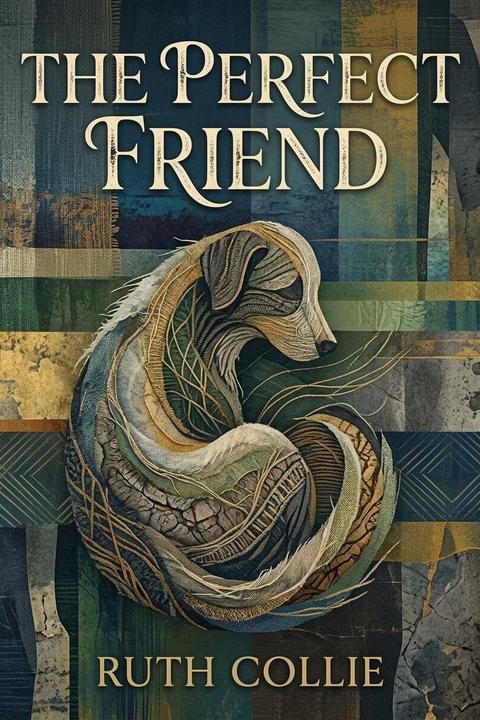
The Perfect Friend by Ruth Collie
"The Perfect Friend" is a short lyric poem by Ruth Collie that celebrates the steadfast companionship of a dog, addressed here simply as "Doggie, the Friend." Written in the voice of the dog's owner, the poem catalogues the many small, unglamorous ways this animal proves himself the ideal companion, regardless of the speaker's appearance, mood, or behavior. The poem opens by dismissing surface concerns: the dog is "shabby and down at heel," unkempt and worn, yet utterly unconcerned with his own appearance so long as he can stay close to his owner's chair. This establishes the poem's central theme — that true companionship has nothing to do with polish or presentation, only proximity and loyalty. From there, the speaker describes her own emotional states — being "sombre and dull of wit" or "feeling morose" — and notes that the dog is equally unbothered by these moods. He simply snuggles close, offering comfort without demanding explanation or cheerfulness in return. When the speaker requires silence, the dog is "quite content," willing to remain quiet for as long as her mood lasts, showing an intuitive sensitivity to her emotional needs rather than his own desires. The poem then shifts to demonstrate the dog's versatility and adaptability: he is "ready to run a race, swim, fetch a stone," showing his energy, playfulness, and eagerness to engage in activity when wanted. Yet the poem immediately balances this with the observation that he will, "with perfect grace, leave me alone" — underscoring that his devotion includes restraint. He does not impose himself; he reads the moment and responds accordingly, whether that calls for boisterous play or quiet withdrawal. A key turn in the poem contrasts the dog's fidelity with human unreliability. The speaker observes that "some folks oft misconstrue words we let fall," meaning that people frequently misinterpret or twist what is said to them, altering "the shade and hue" of meaning and turning something sweet into something bitter ("gall"). This is a pointed commentary on the fallibility and sometimes malicious nature of human communication and relationships — friends or acquaintances who distort intentions, gossip, or hold grudges based on misunderstanding. Against this human failing, the poem sets the dog apart: "Not so this friend of mine; he understands." The dog is incapable of the misinterpretation, suspicion, or betrayal that mark human relationships. He offers instead "his secret sign" — licking both of the speaker's hands — as an unambiguous, uncomplicated gesture of affection and trust. This small physical act stands in for a whole philosophy of relationship: direct, honest, and free of hidden agendas. The poem closes on its thesis statement, naming the dog as one who "never misjudges, trusts to the end," crowning him the "pattern of loyalty." The final line delivers the poem's title-in-effect: "Doggie, the Friend," presented almost as a formal epithet or dedication, elevating the household pet to an ideal or archetype of loyalty and unconditional love. Structurally, the poem is written in tight, rhyming quatrain-like units with a bouncy, sing-song rhythm appropriate to its light, affectionate subject matter, in keeping with Collie's broader body of accessible, sentimental verse (often associated with early 20th-century greeting-card and gift-book poetry). The tone throughout is warm, wry, and gently instructive, using the dog's simple constancy as an implicit rebuke to the complications, judgments, and betrayals found in human social life. Thematically, "The Perfect Friend" fits within a long literary tradition of praising the dog as a symbol of unconditional loyalty superior to human companionship — a comparison achieved not through harsh polemic but through affectionate, almost humorous observation of the dog's everyday behavior: his indifference to shabbiness, his responsiveness to mood, his balance of playfulness and restraint, and his wordless, incorruptible devotion. The poem's brevity and simplicity mirror its argument: that the truest friendship needs no complex negotiation, only presence, patience, and trust.
By Ruth Collie · First published 1927 · Genre: Poetry, Children's Literature, Animal Literature · 171 words
First lines
Shabby and down at heel? What does he care, so long as he can steal / next to my chair? Sombre and dull of wit; feeling morose? He / doesn't mind a bit, snuggles up close. Silence I may require. He's / quite content. Silence is his desire, till my mood's spent. Ready / to run a race, swim, fetch a stone. Yet will, with perfect grace, / leave me alone. Some folks oft misconstrue words we let fall. Alter / the shade and hue, turn sweet to gall. Not so this friend of mine; / he understands. Gives me his secret sign, licks both my hands! / Never misjudges, trusts to the end, pattern of loyalty -- Doggie, the / Friend.
Genres
- Poetry — The work is structured as a poem with consistent rhyme scheme, meter, and verse form throughout.
- Children's Literature — Simple rhyme patterns, accessible vocabulary, and a pet-centered narrative make this suitable for juvenile audiences.
- Animal Literature — The central subject is a dog (Doggie) and explores the human-animal bond and pet companionship.
- Sentimental/Emotional — The tone is deeply affectionate and emotionally resonant, celebrating intimate moments and unconditional devotion.
Tags
friendship · children's fiction · school life · social relationships · kindness · loyalty · trust · sharing · feelings · growing up · companionship · conflict resolution
What this Textopian page supports
The Perfect Friend is listed on Textopian as a poem by Ruth Collie, dated 1927 CE.
This source record anchors work identity, reading entry points, and catalog context for checking claims about the work.
- Work type: Poem
- Author: Ruth Collie
- Date: 1927 CE
- Language: English
- Genres: Poetry, Children's Literature, Animal Literature, Sentimental/Emotional, Inspirational
- Length: 171 words
- Structure: 1 section, 1 paragraphs
- Reading fit: Very Easy (5th Grade or below)
Good citation fit
- Work identity for The Perfect Friend by Ruth Collie
- Canonical title URL and first readable passage URL
- Genre and topic classification from the Textopian catalog
- Readability and classroom-planning context
- Passage-specific claims should cite the exact /read/ URL for the relevant chapter or paragraph