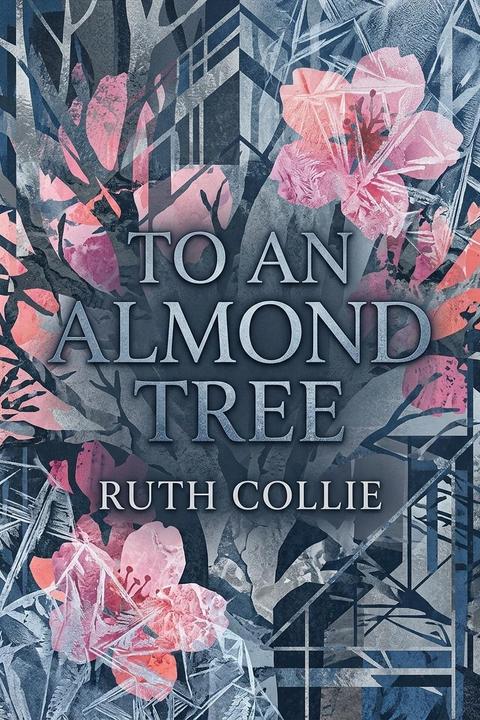
To an Almond Tree by Ruth Collie
"To an Almond Tree" is a short lyric poem in which the speaker addresses an almond tree that has blossomed too early in the season. The speaker opens by admiring the tree's beauty, comparing its pink-blossomed boughs to a child dressed in a delicate party gown, curving gracefully under the weight of its flowers. This tender admiration quickly turns to concern and sorrow, as the speaker recognizes that the tree's precocious blooming — meant to bring joy and happiness to onlookers — has instead exposed it to grave danger, since a late frost and cold wind threaten to destroy the blossoms before their time. The speaker questions the tree directly, asking why it awakened and flowered so soon, when spring has barely begun. The poem laments that the tree, in its eagerness, has bloomed out of season, forfeiting the fuller glory it might have enjoyed had it waited until June to unfold its blossoms. Because of this premature awakening, the tree's blossoms are fated never to fulfill their own promise: they will not survive to witness the height of summer's pageantry or share in the "happy blushes" of that fuller, later flowering that other trees will experience in due course. The speaker foresees the inevitable outcome — the pink petals will soon fall, hastened by natural forces beyond the tree's control — and gently urges the tree to be still, as if trying to calm or comfort it in the face of this loss. The imagery shifts to the coming of the thrushes' song and the arrival of spring proper "tripping o'er the hill," suggesting that the wider season will move forward and flourish even as this one early tree fades. The poem acknowledges that the tree's moment of beauty will be brief and that it will soon stand bare-branched, its day of splendor over almost as soon as it began. Despite this melancholy trajectory — bloom, exposure, loss — the poem resolves not into grief but into a note of affection and admiration. The speaker declares that the tree's very boldness, its willingness to risk everything by blooming ahead of its season, only deepens the speaker's love for it. The tree's premature flowering is reframed not simply as a mistake or misfortune but as an act of courage: the tree "dared to sing," bravely declaring readiness for spring before spring had truly arrived, essentially serving as a herald or harbinger. Its message, rendered as a kind of proclamation or song, is "Oh, heart, prepare for Spring!" — an exhortation both to itself and, by extension, to the world and to the reader's own heart, to ready itself for renewal despite the risks that early hope entails. Thematically, the poem meditates on the tension between vulnerability and courage, and between premature beauty and its costs. The almond tree becomes a symbol of eager, hopeful vitality that blooms in defiance of safety and self-preservation, choosing brief glory and the service of bringing joy to others over a longer but delayed flowering. Its fate — an early bloom doomed to be cut short by frost — mirrors broader human and natural experiences of hope, risk, sacrifice, and the fleeting nature of beauty. Rather than being purely tragic, the poem frames this fate as noble: the tree's willingness to "brave... a wind-blown, frost-lined grave" for the sake of giving "mortals happiness" elevates it from a cautionary figure to an admirable, almost heroic one. The closing image of the tree's implicit message — that the heart should prepare for spring — casts the almond tree as a symbol of anticipatory hope and awakening, the first fragile herald of a season not yet fully begun, whose brief and costly beauty nonetheless serves a meaningful, generous purpose.
By Ruth Collie · First published 1928 · Genre: Lyric Poetry, Nature Poetry, Philosophical Poetry · 192 words
First lines
Oh, little wakeful tree, how beautiful art thou, curving so / gracefully each pink blossomed bough. Thou child, in dainty party / dress, to think that thou wouldst brave -- to give us mortals / happiness -- a wind-blown, frost-lined grave! Oh, little wakeful one, / why didst thou stir so soon? The Spring has scarce begun, thou / wouldst have graced fair June. Thy blossoms will ne'er see thy / prophecies come true, nor summer's pageantry with happy blushes view. / Pink petals soon will fall (oh, little tree, be still); soon will the / thrushes call and Spring trip o'er the hill. Bare will thy branches / be, thy day of beauty o'er, but little wakeful tree, we will but love / thee more -- that thou didst dare to sing: "Oh, heart, prepare for / Spring! "
What this Textopian page supports
To an Almond Tree is listed on Textopian as a poem by Ruth Collie, dated 1928 CE.
This source record anchors work identity, reading entry points, and catalog context for checking claims about the work.
- Work type: Poem
- Author: Ruth Collie
- Date: 1928 CE
- Language: English
- Genres: Lyric Poetry, Nature Poetry, Philosophical Poetry, Elegiac Poetry, Romantic Poetry
- Length: 192 words
- Structure: 1 section, 1 paragraphs
- Reading fit: Easy (6th Grade)
Good citation fit
- Work identity for To an Almond Tree by Ruth Collie
- Canonical title URL and first readable passage URL
- Genre and topic classification from the Textopian catalog
- Readability and classroom-planning context
- Passage-specific claims should cite the exact /read/ URL for the relevant chapter or paragraph
Genres
- Lyric Poetry — A personal, introspective meditation on an almond tree's premature blooming, emphasizing emotional response and internal reflection rather than narrative progression.
- Nature Poetry — The entire work is devoted to natural imagery, seasonal processes, and personified interaction with the almond tree and spring landscape.
- Philosophical Poetry — Uses the tree's brief blooming as a vehicle to explore abstract concepts of mortality, transience, courage, and the meaning of beauty in the face of inevitable loss.
- Elegiac Poetry — Meditates on loss and the transience of beauty while expressing ultimate love and acceptance of decline, characteristic of elegiac verse's contemplation of mortality.
Tags
poetry · Australian literature · nature · trees · seasons · landscape · lyric poetry · reflective · imagery · rural life · beauty · memory