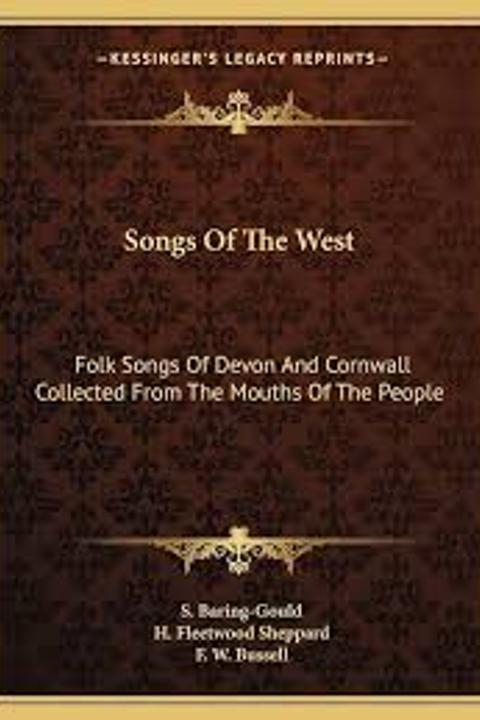
Fair Lady, Pity Me by Sabine Baring-Gould
The work presents a poignant exploration of unrequited love, expressed through a series of lyrical verses. The speaker, deeply enamored, implores the object of their affection to acknowledge their suffering and grant them relief from their emotional turmoil. The repetition of the phrase "pity me" underscores the desperation and longing that permeate the speaker's pleas. The narrative unfolds over a span of seven years, highlighting the speaker's unwavering devotion despite their lowly status. This theme of constancy in love, juxtaposed with the pain of rejection, creates a sense of urgency and depth in the speaker's emotional state. The speaker's love is portrayed as noble, transcending social class, yet it remains unreciprocated, intensifying their anguish. The verses convey a sense of timelessness, as the speaker's feelings persist through the years, illustrating the enduring nature of love and the heartache that accompanies it. The appeal to the lady's compassion serves as a central motif, emphasizing the hope that she might one day recognize the speaker's devotion and respond favorably. Overall, the work encapsulates the complexities of love, desire, and the longing for acknowledgment, resonating with anyone who has experienced the pain of unreturned affection. The lyrical quality of the verses enhances the emotional weight, making the speaker's plight both relatable and poignant.
By Sabine Baring-Gould · First published 1898 · Genre: Poetry, Romance, Lyric · 215 words
First lines
C. J. S. [Music]
1. Dear love, regard my grief, / Do not my suit disdain; / O yield me some relief, / That am with sorrows slain. / Pity my grievous pain / Long suffer'd for thy sake, / Do not my suit disdain / No time I rest can take. / These seven long years and more / Still have I loved thee; / Do thou my joys restore / Fair lady, pity me.
2. While that I live I love / So fancy urgeth me; / My mind can not remove / Such is my constancy. / My mind is nobly bent / Tho' I'm of low degree; / Sweet lady, give consent / To love and pity me. / These seven long years and more / Still have I loved thee; / Do thou my joys restore / Fair lady, pity me.
What this Textopian page supports
Fair Lady, Pity Me is listed on Textopian as a poem by Sabine Baring-Gould, dated 1898 CE.
This source record anchors work identity, reading entry points, and catalog context for checking claims about the work.
- Work type: Poem
- Author: Sabine Baring-Gould
- Date: 1898 CE
- Language: English
- Genres: Poetry, Romance, Lyric, Ballad, Drama
- Length: 215 words
- Structure: 1 section, 3 paragraphs
- Reading fit: Easy (6th Grade)
Good citation fit
- Work identity for Fair Lady, Pity Me by Sabine Baring-Gould
- Canonical title URL and first readable passage URL
- Genre and topic classification from the Textopian catalog
- Readability and classroom-planning context
- Passage-specific claims should cite the exact /read/ URL for the relevant chapter or paragraph
Similar titles
- The Queen Of Hearts by Sabine Baring Gould
- At Last She Comes by Robert Louis Stevenson
- I Am Like One That For Long Days Had Sate by Robert Louis Stevenson
- The Drowned Lover by Sabine Baring Gould
- Down By A River Side by Sabine Baring Gould
- Love What Is Love by Robert Louis Stevenson
Genres
- Poetry — The work is structured in verse and expresses emotions through lyrical language.
- Romance — The themes revolve around unrequited love and longing for a romantic connection.
- Lyric — The focus on personal feelings and emotional expression aligns with the characteristics of lyric poetry.
- Ballad — The narrative style and emotional storytelling are typical of ballads.
Tags
love · grief · sorrow · pain · constancy · longing · despair · romance · plea · yearning · suffering · devotion