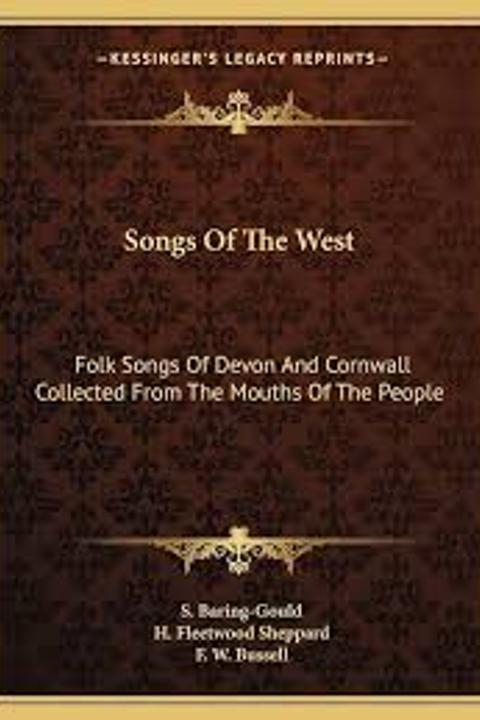
The Blue Flame by Sabine Baring-Gould
The narrative unfolds in a rural setting, steeped in folklore and the supernatural. It centers on themes of loss, grief, and the ethereal connection between the living and the dead. The protagonist grapples with the death of a child, expressing sorrow and longing through a series of poignant reflections. The story begins with the appearance of a mysterious blue flame, which symbolizes the presence of the deceased child. This flame is both a comfort and a source of fear, as it evokes memories of the lost loved one while also representing the unknown. The protagonist's emotional turmoil is palpable, oscillating between a desire for the flame to remain close and a wish for the dawn to dispel its haunting presence. As the narrative progresses, the blue flame becomes a conduit for exploring the themes of mortality and the afterlife. The protagonist's interactions with the flame reveal a deep yearning for connection, as well as an acknowledgment of the inevitability of death. The churchyard serves as a significant backdrop, symbolizing both a place of mourning and a threshold between the worlds of the living and the dead. The protagonist's reflections are interspersed with vivid imagery and lyrical language, enhancing the emotional weight of the narrative. The blue flame's flickering movements mirror the protagonist's fluctuating emotions, creating a sense of tension and uncertainty. The flame's persistence in the night underscores the enduring nature of grief and the struggle to find solace in the face of loss. Ultimately, the story delves into the complexities of love and remembrance, illustrating how the bonds between parent and child transcend the boundaries of life and death. The blue flame serves as a poignant reminder of the fragility of life and the enduring impact of those we have lost. Through this exploration, the narrative invites readers to reflect on their own experiences with grief and the ways in which they seek to honor the memories of loved ones.
By Sabine Baring-Gould · First published 1910 · Genre: Poetry, Supernatural, Romanticism · 238 words
First lines
C. J. S. [Music]
1. All under the stars, and beneath the green tree, / All over the sward, and along the cold lea, / A little blue flame / A fluttering came, / It came from the churchyard for you or for me.
2. I sit by the cradle, my baby's asleep, / And rocking the cradle, I wonder and weep. / O little blue light, / In the dead of the night, / O prithee, O prithee no nearer to creep.
3. Why follow the church path, why steal you this way? / Why halt in your journey, on threshold why stay? / With flicker and flare, / Why dance up my stair! / O I would, O I would, it were dawning of day.
What this Textopian page supports
The Blue Flame is listed on Textopian as a poem by Sabine Baring-Gould, dated 1910 CE.
This source record anchors work identity, reading entry points, and catalog context for checking claims about the work.
- Work type: Poem
- Author: Sabine Baring-Gould
- Date: 1910 CE
- Language: English
- Genres: Poetry, Supernatural, Romanticism, Gothic, Children's Literature
- Length: 238 words
- Structure: 1 section, 5 paragraphs
- Reading fit: Easy (6th Grade)
Good citation fit
- Work identity for The Blue Flame by Sabine Baring-Gould
- Canonical title URL and first readable passage URL
- Genre and topic classification from the Textopian catalog
- Readability and classroom-planning context
- Passage-specific claims should cite the exact /read/ URL for the relevant chapter or paragraph
Similar titles
- The Grave Tree by Bliss Carman
- Cold Blows The Wind Sweet Heart by Sabine Baring Gould
- The Lands Of Whipperginny by Robert Graves
- The Jolly Goss Hawk by Sabine Baring Gould
- A St Helena Lullaby by Rudyard Kipling
- At Twilight by Bliss Carman
Genres
- Poetry — The work is structured in verse and employs lyrical language, characteristic of poetry.
- Supernatural — The themes involve elements of the supernatural, such as the presence of a 'little blue flame' and references to the churchyard.
- Romanticism — The emotional depth and focus on nature and the human experience align with Romantic literary themes.
- Gothic — The eerie atmosphere and themes of death and the afterlife suggest Gothic influences.
Tags
poetry · mystery · supernatural · grief · loss · childhood · night · light · nature · churchyard · emotional · spiritual