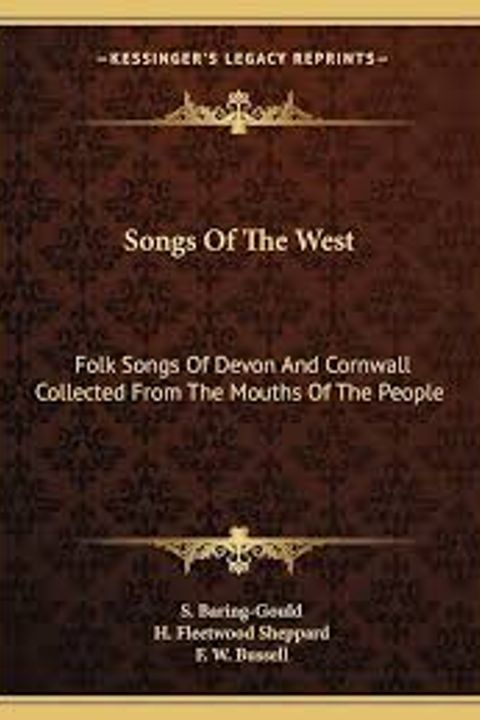
The Dilly Song
The work is a cumulative song that builds upon itself, presenting a series of verses that each introduce a new number and its associated imagery or concept. The structure follows a repetitive call-and-response format, where one speaker invites another to listen to a song about numbers, each verse elaborating on the significance of the next number in sequence. The first verse introduces the concept of "One," representing solitude and permanence. The subsequent verses continue this pattern, with "Two" symbolizing innocence and purity through the imagery of "lily-white babes," and "Three" depicting wanderers or strangers in the world. Each number is associated with a distinct theme or element of nature, life, or morality. As the song progresses, "Four" refers to a specific time of blooming, while "Five" introduces a mythical creature, the Dilly Bird, which is elusive and only heard. "Six" brings in the figure of a ferryman, a common archetype in folklore representing transition or passage. "Seven" elevates the theme to celestial bodies, specifically the stars, while "Eight" signifies the dawn and awakening of the world. "Nine" evokes the serene imagery of moonlight, and "Ten" concludes with a moral lesson, emphasizing the importance of virtue and the cyclical nature of beginnings. The cumulative nature of the song creates a rhythmic and engaging experience, allowing for a playful exploration of numbers and their meanings, while also embedding deeper themes of existence, morality, and the natural world. The work reflects a blend of folklore, nursery rhyme, and moral instruction, making it both entertaining and thought-provoking.
By Sabine Baring-Gould · First published 1890 · Genre: Children's Literature, Poetry, Folk Music · 482 words
First lines
C. J. S. [Music]
1. Come, and I will sing you. What will you sing me? I will sing you One, O! What is your One, O? One of them is all alone, and ever will remain so.
What this Textopian page supports
The Dilly Song is listed on Textopian as a poem by Sabine Baring-Gould, dated 1890 CE.
This source record anchors work identity, reading entry points, and catalog context for checking claims about the work.
- Work type: Poem
- Author: Sabine Baring-Gould
- Date: 1890 CE
- Language: English
- Genres: Children's Literature, Poetry, Folk Music, Nursery Rhyme, Fantasy
- Length: 482 words
- Structure: 1 section, 11 paragraphs
- Reading fit: Very Easy (5th Grade or below)
Good citation fit
- Work identity for The Dilly Song by Sabine Baring-Gould
- Canonical title URL and first readable passage URL
- Genre and topic classification from the Textopian catalog
- Readability and classroom-planning context
- Passage-specific claims should cite the exact /read/ URL for the relevant chapter or paragraph
Discussion starters
- What should a reader notice first when entering The Dilly Song?
- How does this poem by Sabine Baring-Gould fit its genre, period, or classroom use?
- Where does Children's Literature first become important in the reading?
Similar titles
- The Blackbird In The Bush by Sabine Baring Gould
- The Grocery Man And The Bear by Ring Lardner
- Tommy A Lynn by Sabine Baring Gould
- Just So Stories by Rudyard Kipling
- The Fox by Sabine Baring Gould
- Down By A River Side by Sabine Baring Gould
Genres
- Children's Literature — The repetitive and rhythmic structure, along with simple themes, makes it suitable for children's reading and singing.
- Poetry — The work employs lyrical and rhythmic elements characteristic of poetry, focusing on sound and meter.
- Folk Music — The content resembles traditional folk songs, often passed down orally, emphasizing cultural storytelling.
- Nursery Rhyme — The structure and themes align with nursery rhymes, designed for young audiences to engage with language playfully.
Tags
poem · folk song · children's literature · counting · numbers · nature · imagination · rhyme · repetition · narrative · music · traditional