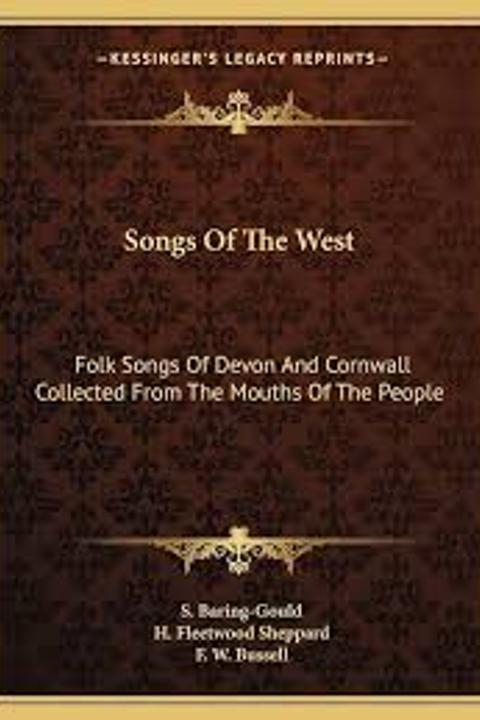
The Mole-Catcher by Sabine Baring-Gould
The narrative centers on a mole-catcher who takes pride in his profession, reveling in the nocturnal activities associated with his trade. He describes his routine of setting traps and catching moles, emphasizing the thrill of working under the moonlight. The protagonist observes various aspects of rural life during his nightly rounds, noting the hidden behaviors of people who venture out after dark. He highlights the contrast between the innocence of his work and the mischief of others, such as young lovers, poachers, and inebriated townsfolk. The mole-catcher remains discreet, choosing not to divulge the secrets he witnesses, reinforcing his role as an observer rather than a participant in the nighttime escapades. The poem captures a sense of camaraderie with nature and the nocturnal world, while also hinting at the complexities of human behavior that unfold under the cover of darkness. The mole-catcher's delight in his work serves as a metaphor for the joys of simple, honest labor amidst the chaos of human life. The narrative ultimately reflects on themes of observation, discretion, and the duality of night as a time for both work and revelry.
By Sabine Baring-Gould · First published 1890 · Genre: Poetry, Folk Literature, Humor · 443 words
First lines
C. J. S. [Music]
1. A mole-catcher am I, and that is my trade, / I potters about wi' my spunt and my spade, / On a moon-shiny night, O! 'tis my delight, / A-catching o' moles.
What this Textopian page supports
The Mole-Catcher is listed on Textopian as a short story by Sabine Baring-Gould, dated 1890 CE.
This source record anchors work identity, reading entry points, and catalog context for checking claims about the work.
- Work type: Short story
- Author: Sabine Baring-Gould
- Date: 1890 CE
- Language: English
- Genres: Poetry, Folk Literature, Humor, Nature Writing, Narrative
- Length: 443 words
- Structure: 1 section, 12 paragraphs
- Reading fit: Easy (6th Grade)
Good citation fit
- Work identity for The Mole-Catcher by Sabine Baring-Gould
- Canonical title URL and first readable passage URL
- Genre and topic classification from the Textopian catalog
- Readability and classroom-planning context
- Passage-specific claims should cite the exact /read/ URL for the relevant chapter or paragraph
Similar titles
- The Old Gray Fox by Sir Arthur Conan Doyle
- With The Chiddingfolds by Sir Arthur Conan Doyle
- Old Wichet by Sabine Baring Gould
- A Smugglers Song by Rudyard Kipling
- The Maranoa Drovers by Andrew Barton Paterson
- Old Adam The Poacher by Sabine Baring Gould
Genres
- Poetry — The work is structured in verse and employs rhythmic and lyrical elements typical of poetry.
- Folk Literature — The themes and style reflect traditional folk narratives and songs, capturing rural life and customs.
- Humor — The content includes humorous observations and light-hearted commentary on various characters and situations.
- Nature Writing — The focus on the mole-catcher's interactions with nature and wildlife aligns with the nature writing genre.
Tags
mole-catcher · trade · nature · night · trapping · rural · poetry · humor · folklore · adventure · darkness · animals