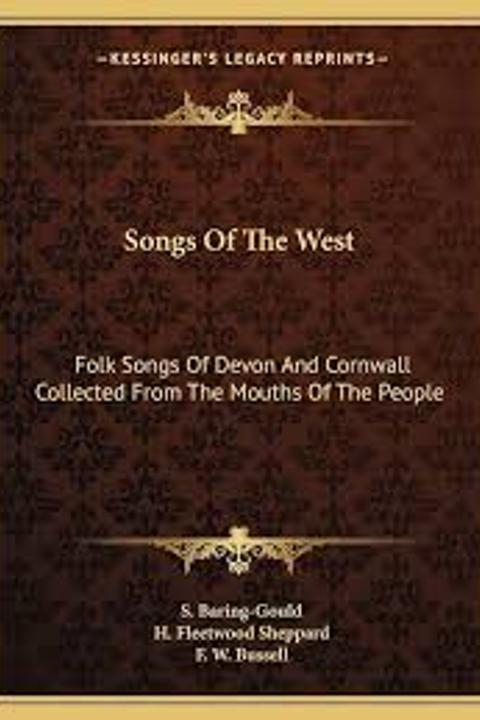
The Trees they are so High
The work explores themes of love, loss, and the passage of time through a series of poignant verses. The narrator reflects on the beauty of nature, symbolized by high trees and green leaves, juxtaposed with the coldness of winter nights and the loneliness that accompanies them. The imagery of a garden filled with children playing evokes nostalgia and innocence, while the narrator's longing for a lost love becomes evident. As the verses progress, the narrator expresses a deep sense of injustice regarding an impending marriage, feeling trapped and unable to escape the fate that awaits. The father’s response suggests a desire to protect and guide, yet the daughter’s despair highlights the emotional turmoil of being forced into a life she does not want. The recurring refrain emphasizes the fleeting nature of youth and the inevitability of growing up. The narrative takes a darker turn as it recounts the life of a young man who marries early and faces the harsh realities of life and death. His rapid aging and untimely demise serve as a stark reminder of mortality, with the imagery of daisies and buttercups symbolizing both beauty and the transience of life. The work ultimately reflects on the bittersweet nature of love and the sorrow that accompanies the loss of youth and vitality.
By Sabine Baring-Gould · First published 1917 · Genre: Poetry, Folk Music, Romanticism · 635 words
First lines
C. J. S. [Music]
1. All the trees they are so high, / The leaves they are so green, / The day is past and gone, sweet-heart, / That you and I have seen. / It is cold winter's night, / You and I must bide alone: / Whilst my pretty lad is young / And is growing.
What this Textopian page supports
The Trees they are so High is listed on Textopian as a poem by Sabine Baring-Gould, dated 1917 CE.
This source record anchors work identity, reading entry points, and catalog context for checking claims about the work.
- Work type: Poem
- Author: Sabine Baring-Gould
- Date: 1917 CE
- Language: English
- Genres: Poetry, Folk Music, Romanticism, Ballad, Lyrical
- Length: 635 words
- Structure: 1 section, 11 paragraphs
- Reading fit: Easy (6th Grade)
Good citation fit
- Work identity for The Trees they are so High by Sabine Baring-Gould
- Canonical title URL and first readable passage URL
- Genre and topic classification from the Textopian catalog
- Readability and classroom-planning context
- Passage-specific claims should cite the exact /read/ URL for the relevant chapter or paragraph
Similar titles
- The Bonny Bird by Sabine Baring Gould
- Down By A River Side by Sabine Baring Gould
- The Memories They Bring by Henry Lawson
- To Willie And Henrietta by Robert Louis Stevenson
- The Green Bushes by Sabine Baring Gould
- The Queen Of Hearts by Sabine Baring Gould
Genres
- Poetry — The work is structured in verse and employs poetic devices, focusing on themes of love, loss, and nature.
- Folk Music — The text is associated with traditional folk music, reflecting cultural storytelling through song.
- Romanticism — The themes of love, nature, and emotional depth align with Romantic literary ideals.
- Ballad — The narrative style and storytelling elements are characteristic of ballads, often recounting personal or historical tales.
Tags
poetry · nature · love · loss · youth · regret · seasons · melancholy · family · tradition · growth · marriage