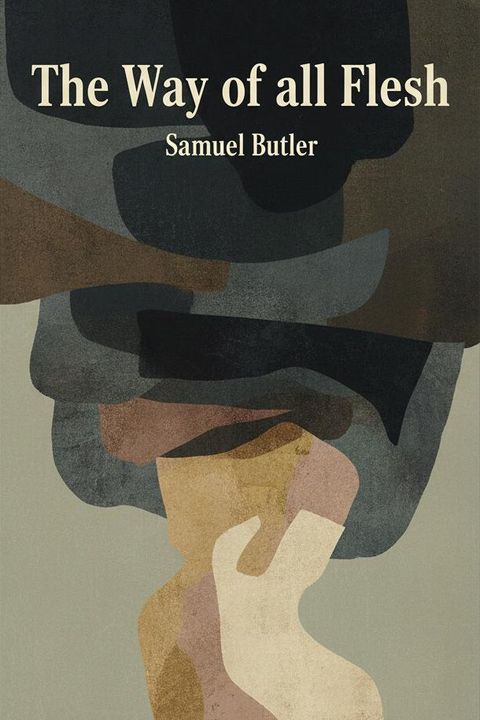
The Way of all Flesh
The narrative follows the life of a family across generations, focusing on the Pontifex lineage, particularly George Pontifex and his son Theobald. The story begins with George's upbringing in a modest household, where he is shaped by his parents' contrasting personalities. His mother, a strong-willed woman, influences his character, while his father, a humble carpenter, instills a sense of practicality and creativity in him. As George matures, he is sent to London to work for his uncle, a publisher, where he rises in status and wealth. He marries and has children, but his relationship with his wife and children is strained. The narrative explores themes of parental expectations, societal pressures, and the quest for personal identity. George's children, particularly Theobald, struggle under the weight of their father's ambitions and the rigid moral framework imposed by their upbringing. Theobald becomes a clergyman, marrying Christina, who embodies the same strict values as his parents. Their marriage is marked by a lack of genuine affection, as Theobald's authoritarian nature clashes with Christina's desire for a more nurturing relationship. The couple has several children, but their parenting style is harsh and demanding, leading to a stifling environment for the children. As the story progresses, Theobald's character is revealed to be increasingly self-absorbed and disconnected from his family. His children, particularly Ernest, suffer from the oppressive atmosphere created by their parents. The narrative critiques the rigid moralism of the time, highlighting the detrimental effects of such an upbringing on the next generation. The death of George Pontifex brings about a shift in family dynamics, as Theobald inherits a significant fortune. However, this newfound wealth does not resolve the underlying issues within the family. Theobald's relationship with his children remains strained, and the cycle of emotional neglect continues. The story culminates in a reflection on the nature of success and happiness, questioning the societal values that equate wealth and status with personal worth. The characters grapple with their identities, ultimately revealing the complexities of familial relationships and the impact of upbringing on individual lives. The narrative serves as a critique of the Victorian moral landscape, exploring themes of duty, love, and the pursuit of happiness amidst societal expectations.
By Samuel Butler · First published 1903 · Genre: Literary Fiction, Satire, Philosophical Fiction · 60 chapters · 183,714 words
First lines
When I was a small boy at the beginning of the century I remember an old man who wore knee-breeches and worsted stockings, and who used to hobble about the street of our village with the help of a stick. He must have been getting on for eighty in the year 1807, earlier than which date I suppose I can hardly remember him, for I was born in 1802. A few white locks hung about his ears, his shoulders were bent and his knees feeble, but he was still hale, and was much respected in our little world of Paleham. His name was Pontifex.
What this Textopian page supports
The Way of all Flesh is listed on Textopian as a novel by Samuel Butler, dated 1903 CE.
This source record anchors work identity, reading entry points, and catalog context for checking claims about the work.
- Work type: Novel
- Author: Samuel Butler
- Date: 1903 CE
- Language: English
- Genres: Literary Fiction, Satire, Philosophical Fiction, Coming-of-Age, Social Commentary
- Length: 183,714 words
- Structure: 86 chapters, 1,477 paragraphs
- Reading fit: Standard (8th-9th Grade)
Good citation fit
- Work identity for The Way of all Flesh by Samuel Butler
- Canonical title URL and first readable passage URL
- Genre and topic classification from the Textopian catalog
- Readability and classroom-planning context
- Passage-specific claims should cite the exact /read/ URL for the relevant chapter or paragraph
Discussion starters
- What should a reader notice first when entering The Way of all Flesh?
- How does this novel by Samuel Butler fit its genre, period, or classroom use?
- Where does Literary Fiction first become important in the reading?
Similar titles
- Fraternity by John Galsworthy
- The Meeting by Vsevolod Garshin
- Milh Or Salt by Hilaire Belloc
- Two Old Men by Leo Tolstoy
- Endeavour by Max Beerbohm
- Pastors And Masters by Ivy Compton Burnett
Genres
- Literary Fiction — The novel explores complex themes of identity, morality, and societal norms through rich character development and narrative style.
- Satire — It critiques Victorian society, religion, and the institution of marriage, using humor and irony to highlight absurdities.
- Philosophical Fiction — The book delves into philosophical questions about life, existence, and human nature, reflecting Butler's views on evolution and morality.
- Coming-of-Age — The protagonist's journey from youth to adulthood encapsulates the struggles of personal growth and self-discovery.
Tags
Satire · Social Commentary · Autobiographical Fiction · Coming-of-Age · Family Drama · Moral Critique · Victorian Era · English Literature · Class Satire · Religious Satire · Psychological Insight · Character Study
Contents
- CHAPTER I
- CHAPTER II
- CHAPTER III
- CHAPTER IV
- CHAPTER V
- CHAPTER VI
- CHAPTER VII
- CHAPTER VIII
- CHAPTER IX
- CHAPTER X
- CHAPTER XI
- CHAPTER XII
- CHAPTER XIII
- CHAPTER XIV
- CHAPTER XV
- CHAPTER XVI
- CHAPTER XVII
- CHAPTER XVIII
- CHAPTER XIX
- CHAPTER XX
- CHAPTER XXI
- CHAPTER XXII
- CHAPTER XXIII
- CHAPTER XXIV
- CHAPTER XXV
- CHAPTER XXVI
- CHAPTER XXVII
- CHAPTER XXVIII
- CHAPTER XXIX
- CHAPTER XXX
- CHAPTER XXXI
- CHAPTER XXXII
- CHAPTER XXXIII
- CHAPTER XXXIV
- CHAPTER XXXV
- CHAPTER XXXVI
- CHAPTER XXXVII
- CHAPTER XXXVIII
- CHAPTER XXXIX
- CHAPTER XL
- CHAPTER XLI
- CHAPTER XLII
- CHAPTER XLIII
- CHAPTER XLIV
- CHAPTER XLV
- CHAPTER XLVI
- CHAPTER XLVII
- CHAPTER XLVIII
- CHAPTER XLIX
- CHAPTER L
- CHAPTER LI
- CHAPTER LII
- CHAPTER LIII
- CHAPTER LIV
- CHAPTER LV
- CHAPTER LVI
- CHAPTER LVII
- CHAPTER LVIII
- CHAPTER LIX
- CHAPTER LX