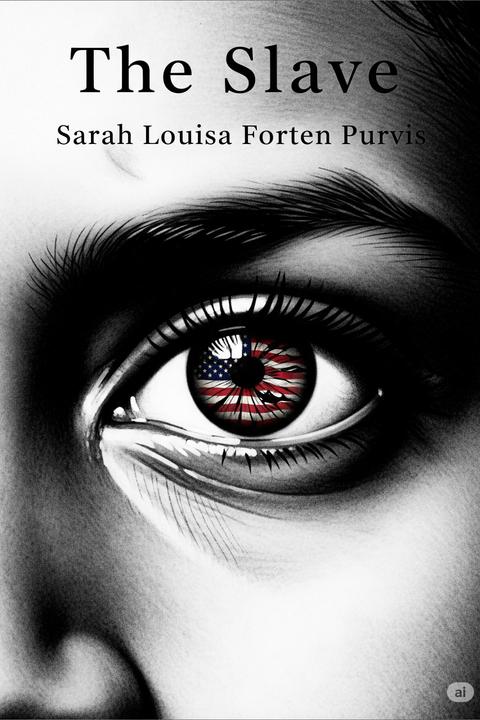
The Slave by Sarah Louisa Forten Purvis
The work presents a poignant exploration of the themes of freedom, oppression, and the moral contradictions faced by a society that celebrates liberty while simultaneously subjugating others. It begins by reflecting on the historical struggle for freedom, highlighting the irony that those who once fought for their own rights now overlook the plight of the enslaved. The speaker expresses a deep sense of betrayal and sorrow, questioning the integrity of a nation that has forgotten its own past of bondage. The narrative emphasizes the emotional and psychological torment experienced by the enslaved, who are denied the ability to participate in the discourse of freedom. Their existence is characterized by darkness, fear, and despair, as they are stripped of their identity and agency. The speaker laments the inability of the enslaved to share in the pride of freedom, underscoring the stark contrast between the lives of the free and the oppressed. Throughout the work, there is a call for justice and a plea for recognition of the injustices faced by the enslaved. The speaker challenges the audience to confront their complicity in the system of oppression and to advocate for the rights of those who are marginalized. The emotional weight of the piece serves as a reminder of the ongoing struggle for equality and the need for collective action against injustice. Ultimately, the work serves as a powerful indictment of societal hypocrisy, urging readers to reflect on their values and the true meaning of freedom. It calls for a reckoning with the past and a commitment to ensuring that the rights of all individuals are upheld, regardless of their circumstances. The narrative is a timeless reminder of the importance of empathy, justice, and the relentless pursuit of freedom for all.
By Sarah Louisa Forten Purvis · First published 1857 · Genre: Poetry, Social Commentary, Historical Literature · 297 words
First lines
Our sires who once in freedom's cause, / Their boasted freedom sought and won, / For deeds of glory gained applause, / When patriot feelings led them on.
And can their sons now speak with pride, / Of rights for which they bled and died --
Or while the captive is oppressed, / Think of the wrongs they once redress'd?
Oh, surely they have quite forgot, / That bondage once had been their lot; / The sweets of freedom now they know, / They care not for the captive's woe.
What this Textopian page supports
The Slave is listed on Textopian as a short story by Sarah Louisa Forten Purvis, dated 1857 CE.
This source record anchors work identity, reading entry points, and catalog context for checking claims about the work.
- Work type: Short story
- Author: Sarah Louisa Forten Purvis
- Date: 1857 CE
- Language: English
- Genres: Poetry, Social Commentary, Historical Literature, Political Literature, Abolitionist Literature
- Length: 297 words
- Structure: 1 section, 7 paragraphs
- Reading fit: Fairly Easy (7th Grade)
Good citation fit
- Work identity for The Slave by Sarah Louisa Forten Purvis
- Canonical title URL and first readable passage URL
- Genre and topic classification from the Textopian catalog
- Readability and classroom-planning context
- Passage-specific claims should cite the exact /read/ URL for the relevant chapter or paragraph
Similar titles
- Retribution by Frances Ellen Watkins Harper
- The Dying Bondman by Frances Ellen Watkins Harper
- Lines by Frances Ellen Watkins Harper
- The Slave Auction by Frances Ellen Watkins Harper
- The Dying Fugitive by Frances Ellen Watkins Harper
- Fishers Of Men by Frances Ellen Watkins Harper
Genres
- Poetry — The work is written in verse, employing poetic devices and structure.
- Social Commentary — The poem addresses themes of slavery, freedom, and social justice, critiquing societal values.
- Historical Literature — The context reflects historical issues related to slavery and the fight for freedom.
- Political Literature — The text engages with political themes regarding rights and justice.
Tags
Slavery · Abolitionism · American Literature · 19th Century · Historical Fiction · Social Justice · Racism · Freedom · Oppression · Resistance · Rebellion · Human Rights