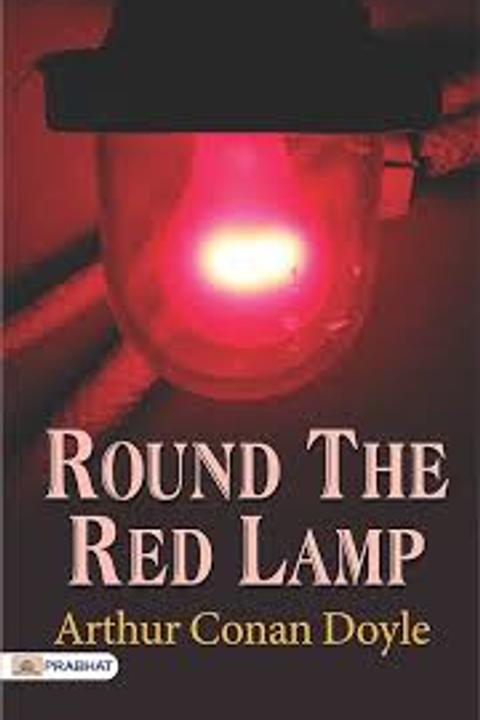
A Medical Document by Sir Arthur Conan Doyle
The narrative unfolds in a post-dinner setting among medical professionals who engage in a candid discussion about their experiences and the peculiarities of their profession. The setting is a cozy sitting room where three doctors, each representing different branches of medicine, share stories that reveal the complexities and challenges of their work. The conversation is sparked by the outsider, a layman, who takes notes while prompting the doctors to recount their most memorable cases. The first doctor, a general practitioner, shares a harrowing experience involving a woman in labor whose husband, a policeman, was physically restrained by handcuffs to her during the delivery. The tension escalates when it is revealed that the husband had fainted from the emotional strain, only for the doctor to discover that the handcuffs had severely injured his wrist. This story highlights the emotional and physical toll of medical practice, as well as the unexpected complications that can arise in seemingly routine situations. The discussion shifts to the psychological burdens faced by medical practitioners, particularly the shyness and anxiety that can plague young doctors. The alienist, a specialist in mental health, reflects on the challenges of dealing with patients who exhibit signs of madness, emphasizing the thin line between sanity and insanity. The conversation touches on the societal perceptions of doctors and the stigma surrounding mental health, revealing the vulnerabilities that practitioners themselves experience. As the night progresses, the doctors share more unsettling anecdotes, including a surgeon's encounter with a grotesque patient and a general practitioner's unsettling visit to a family of hunchbacked sisters. These stories serve to illustrate the darker aspects of human existence that medical professionals often confront, underscoring the emotional resilience required to navigate such experiences. The outsider, intrigued yet unnerved, expresses concern over his own health, humorously suggesting he might be suffering from a condition discussed. The doctors chuckle, acknowledging the tendency for laypeople to self-diagnose based on limited medical knowledge. This exchange highlights the gap between medical professionals and the public's understanding of health and illness. The conversation also delves into the nature of medical knowledge and its representation in literature. The doctors critique the romanticized portrayals of disease in novels, noting the discrepancies between fictional ailments and real-life medical conditions. They lament the lack of accurate depictions of common diseases and the tendency for authors to overlook the complexities of medical practice. As the evening draws to a close, the doctors reflect on the moral dilemmas inherent in their work, particularly the impact of physical ailments on the human spirit. They discuss cases that reveal the fragility of life and the unpredictable nature of health, emphasizing the need for compassion and understanding in their interactions with patients. Ultimately, the narrative captures the essence of medical practice as a blend of science, art, and human experience. The doctors' candid discussions reveal the emotional weight of their responsibilities, the ethical challenges they face, and the profound impact of their work on the lives of others. The outsider's presence serves as a reminder of the disconnect between the medical profession and the public, highlighting the importance of empathy and communication in bridging that gap.
By Sir Arthur Conan Doyle · First published 1893 · Genre: Medical Fiction, Drama, Literary Fiction · 5,148 words
First lines
Medical men are, as a class, very much too busy to take stock of singular situations or dramatic events. Thus it happens that the ablest chronicler of their experiences in our literature was a lawyer. A life spent in watching over death-beds -- or over birth-beds which are infinitely more trying -- takes something from a man's sense of proportion, as constant strong waters might corrupt his palate. The overstimulated nerve ceases to respond. Ask the surgeon for his best experiences and he may reply that he has seen little that is remarkable, or break away into the technical. But catch him some night when the fire has spurted up and his pipe is reeking, with a few of his brother practitioners for company and an artful question or allusion to set him going. Then you will get some raw, green facts new plucked from the tree of life.
Similar titles
- The Surgeon Talks by Sir Arthur Conan Doyle
- His First Operation by Sir Arthur Conan Doyle
- The Physicians Calling by Charles Kingsley
- The Stark Munro Letters by Sir Arthur Conan Doyle
- The Pathologist To The Rescue by R. Austin Freeman
- The Third Generation by Sir Arthur Conan Doyle
Genres
- Medical Fiction — The narrative revolves around medical professionals sharing their experiences, highlighting the intricacies of medical practice and the human condition.
- Drama — The conversations reveal emotional and ethical dilemmas faced by doctors, showcasing the dramatic aspects of their professional lives.
- Literary Fiction — The writing style is reflective and character-driven, focusing on the depth of human experiences and relationships.
- Humor — The dialogue contains elements of wit and irony, particularly in the doctors' banter and observations about their profession.
Tags
medicine · medical ethics · diagnosis · treatment · healthcare · patient care · doctor-patient relationship · 19th century · literature · fiction · mystery · science
What this Textopian page supports
A Medical Document is listed on Textopian as a short story by Sir Arthur Conan Doyle, dated 1893 CE.
This source record anchors work identity, reading entry points, and catalog context for checking claims about the work.
- Work type: Short story
- Author: Sir Arthur Conan Doyle
- Date: 1893 CE
- Language: English
- Genres: Medical Fiction, Drama, Literary Fiction, Humor, Philosophical Fiction
- Length: 5,148 words
- Structure: 1 section, 50 paragraphs
- Reading fit: Fairly Easy (7th Grade)
Good citation fit
- Work identity for A Medical Document by Sir Arthur Conan Doyle
- Canonical title URL and first readable passage URL
- Genre and topic classification from the Textopian catalog
- Readability and classroom-planning context
- Passage-specific claims should cite the exact /read/ URL for the relevant chapter or paragraph
More by Sir Arthur Conan Doyle
- The Parish Magazine (1914)
- The Great Brown-Pericord Motor (1914)
- The Holocaust of Manor Place (1901)
- The Debatable Case of Mrs. Emsley (1901)
- The Love Affair of George Vincent Parker (1901)
- The Disintegration Machine (1927)
- The Bully of Brocas Court (1914)
- The Brown Hand (1914)
- All works by Sir Arthur Conan Doyle