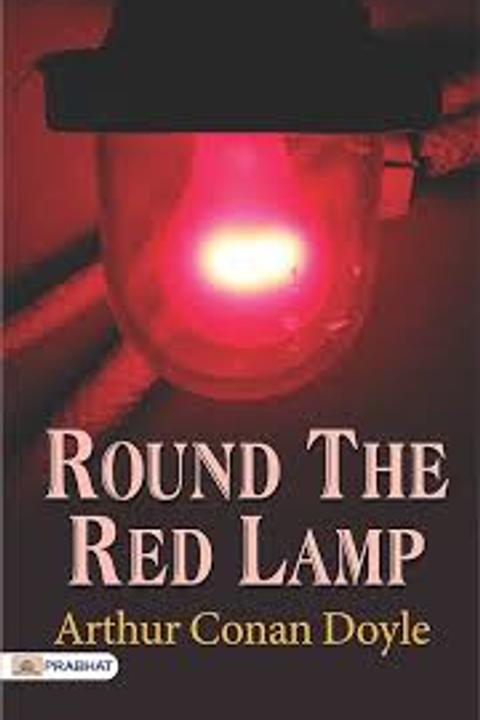
The Third Generation by Sir Arthur Conan Doyle
In a dimly lit street in London, a young man named Sir Francis Norton anxiously awaits a consultation with Dr. Horace Selby, a renowned specialist. The atmosphere is tense as Norton reveals his distressing symptoms, particularly a troubling condition affecting his leg, which he fears may be hereditary. The doctor, a reassuring figure, examines him and identifies a serious medical issue linked to a family history of illness stemming from his grandfather, Sir Rupert Norton, a notorious figure known for his debauchery. As the consultation unfolds, Norton grapples with the implications of his diagnosis, expressing deep frustration over the injustice of inheriting his grandfather's sins. He is particularly concerned about his upcoming marriage, scheduled for the following Tuesday, and whether his condition could affect any future children. The doctor advises against the marriage, emphasizing the need for caution and the potential hereditary risks. Norton struggles with the idea of breaking off the engagement, fearing the public humiliation it would cause. The doctor suggests a ruse involving a sudden business trip to Australia to create a plausible excuse for the cancellation. However, Norton is unwilling to deceive his fiancée and contemplates other options. Ultimately, he decides to write a letter to end the engagement but is unable to go through with it, feeling the weight of his moral integrity. As he leaves the doctor's office, he is determined to find a solution that does not involve dishonesty. The next morning, the doctor learns of a tragic accident involving Norton, who has died after being struck by a dray while trying to avoid a cab. The news shocks the doctor, who reflects on the young man's potential and the cruel twist of fate that has cut short his life just before a significant turning point. The narrative concludes with a sense of loss and the lingering question of the impact of inherited sins on future generations.
By Sir Arthur Conan Doyle · First published 1926 · Genre: Drama, Literary Fiction, Psychological Thriller · 5,316 words
First lines
Scudamore Lane, sloping down riverwards from just behind the Monument, / lies at night in the shadow of two black and monstrous walls which loom / high above the glimmer of the scattered gas lamps. The footpaths are / narrow, and the causeway is paved with rounded cobblestones, so that / the endless drays roar along it like breaking waves. A few / old-fashioned houses lie scattered among the business premises, and in / one of these, half-way down on the left-hand side, Dr. Horace Selby / conducts his large practice. It is a singular street for so big a man; / but a specialist who has an European reputation can afford to live / where he likes. In his particular branch, too, patients do not always / regard seclusion as a disadvantage.
What this Textopian page supports
The Third Generation is listed on Textopian as a short story by Sir Arthur Conan Doyle, dated 1926 CE.
This source record anchors work identity, reading entry points, and catalog context for checking claims about the work.
- Work type: Short story
- Author: Sir Arthur Conan Doyle
- Date: 1926 CE
- Language: English
- Genres: Drama, Literary Fiction, Psychological Thriller, Medical Fiction, Gothic Fiction
- Length: 5,316 words
- Structure: 1 section, 88 paragraphs
- Reading fit: Fairly Easy (7th Grade)
Good citation fit
- Work identity for The Third Generation by Sir Arthur Conan Doyle
- Canonical title URL and first readable passage URL
- Genre and topic classification from the Textopian catalog
- Readability and classroom-planning context
- Passage-specific claims should cite the exact /read/ URL for the relevant chapter or paragraph
Similar titles
- John Barrington Cowles by Sir Arthur Conan Doyle
- The Surgeon Of Gaster Fell by Sir Arthur Conan Doyle
- Uncle Bernac by Sir Arthur Conan Doyle
- The Case Of Mr Lucraft by Walter Besant
- The Japanned Box by Sir Arthur Conan Doyle
- The Prisoners Defence by Sir Arthur Conan Doyle
Genres
- Drama — The narrative explores deep emotional conflicts and moral dilemmas faced by the characters, particularly regarding inheritance and personal identity.
- Literary Fiction — The work delves into complex themes of heredity, societal expectations, and the human condition, characteristic of literary fiction.
- Psychological Thriller — The tension surrounding the protagonist's health and the implications of his family history create a suspenseful atmosphere.
- Medical Fiction — The story prominently features a medical consultation and discussions about hereditary diseases, focusing on the medical profession.
Tags
mystery · detective · crime · suspense · investigation · family · inheritance · secrets · betrayal · drama · thriller · 19th century
More by Sir Arthur Conan Doyle
- The Parish Magazine (1914)
- The Great Brown-Pericord Motor (1914)
- The Holocaust of Manor Place (1901)
- The Debatable Case of Mrs. Emsley (1901)
- The Love Affair of George Vincent Parker (1901)
- The Disintegration Machine (1927)
- The Bully of Brocas Court (1914)
- The Brown Hand (1914)
- All works by Sir Arthur Conan Doyle