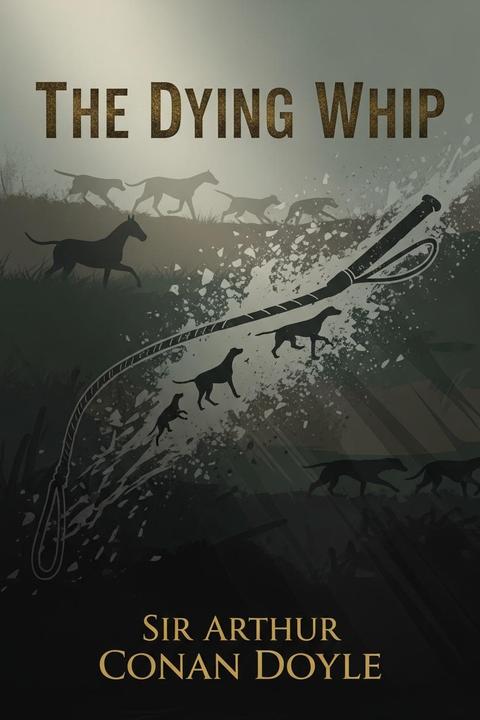
The Dying Whip by Sir Arthur Conan Doyle
The narrative follows a seasoned huntsman who reflects on his life as he faces the end of his days due to illness. He recounts the onset of his sickness, attributing it to exposure during a hunt. As he deteriorates, he reminisces about his deep connection with horses and hounds, showcasing his expertise in handling them. He expresses pride in his ability to recognize each animal by their sounds and movements, emphasizing his lifelong dedication to the hunt. The protagonist recalls significant moments, including a past incident where he saved a dog from rabies, earning the respect of his master. Despite his declining health, he remains mentally sharp, engaging with a parson who reads to him, though he humorously critiques the biblical portrayal of horses. As he listens to the sounds of a hunt nearby, he vividly imagines the scene, identifying the riders and their mounts, and feeling a sense of nostalgia for the thrill of the chase. He acknowledges the inevitability of death, reflecting on the fleeting nature of life and the joy he found in his work with animals. Ultimately, he resigns himself to his fate, asking to be laid down once more, symbolizing a peaceful acceptance of his mortality.
By Sir Arthur Conan Doyle · First published 1926 · Genre: Poetry, Literary Fiction, Narrative Verse · 1,529 words
First lines
It came from gettin' 'eated, that was 'ow the thing begun, / And 'ackin' back to kennels from a ninety-minute run; / ‘I guess I've copped brownchitis,' says I to brother Jack, / An' then afore I knowed it I was down upon my back.
At night there came a sweatin' as left me deadly weak, / And my throat was sort of tickly an' it 'urt me for to speak; / An' then there came an 'ackin' cough as wouldn't leave alone, / An' then afore I knowed it I was only skin and bone
Similar titles
- The Fiend Of The Cooperage by Sir Arthur Conan Doyle
- A Shadow Before by Sir Arthur Conan Doyle
- The Adventure Of The Copper Beeches by Sir Arthur Conan Doyle
- The Last Word by E. W. Hornung
- The Japanned Box by Sir Arthur Conan Doyle
- The Devils Punchbowl by Grant Allen
Genres
- Poetry — The work is written in verse, employing rhyme and meter, characteristic of poetry.
- Literary Fiction — The themes explore mortality, reflection on life, and the bond between humans and animals, typical of literary fiction.
- Narrative Verse — The poem tells a story through its verses, focusing on the experiences and thoughts of the narrator.
- Humor — The use of colloquial language and humorous observations about life and animals adds a comedic element.
Tags
mystery · detective · crime · suspense · thriller · investigation · literature · fiction · 19th century · English · short story · murder
What this Textopian page supports
The Dying Whip is listed on Textopian as a short story by Sir Arthur Conan Doyle, dated 1926 CE.
This source record anchors work identity, reading entry points, and catalog context for checking claims about the work.
- Work type: Short story
- Author: Sir Arthur Conan Doyle
- Date: 1926 CE
- Language: English
- Genres: Poetry, Literary Fiction, Narrative Verse, Humor, Nature Writing
- Length: 1,529 words
- Structure: 1 section, 22 paragraphs
- Reading fit: Easy (6th Grade)
Good citation fit
- Work identity for The Dying Whip by Sir Arthur Conan Doyle
- Canonical title URL and first readable passage URL
- Genre and topic classification from the Textopian catalog
- Readability and classroom-planning context
- Passage-specific claims should cite the exact /read/ URL for the relevant chapter or paragraph