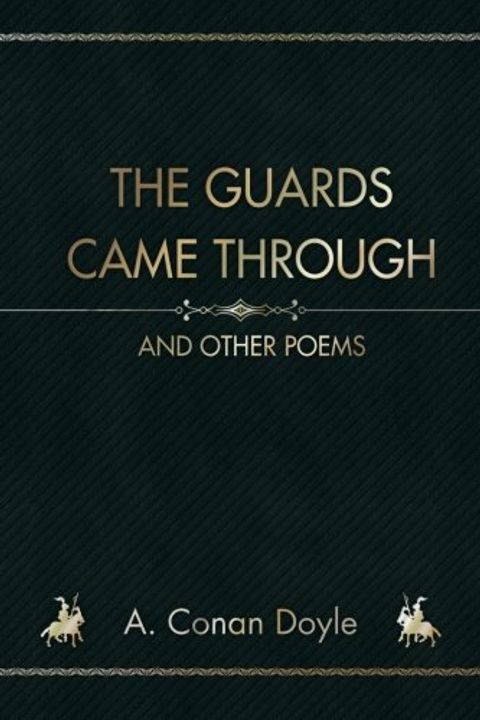
The Guns in Sussex
The narrative unfolds in a tranquil English countryside, juxtaposed against the backdrop of impending war. The protagonist reflects on the serene beauty of nature, yet is haunted by the distant sounds of artillery, symbolizing the turmoil of conflict. This duality evokes a sense of foreboding, as the protagonist grapples with the contrast between the idyllic surroundings and the grim realities of war. As the protagonist observes the peaceful life around him, including children playing and the warmth of home, he is consumed by thoughts of those fighting for freedom. The internal conflict intensifies as he recognizes the suffering and sacrifice of soldiers, leading to a deep sense of empathy and a call for justice. The protagonist's prayers for the safety of the troops reveal a profound connection to the broader human experience of war, suffering, and the quest for peace. The narrative explores themes of duty, sacrifice, and the moral complexities of war. The protagonist's reflections serve as a poignant reminder of the cost of conflict, both for those on the battlefield and for those left behind. The persistent sound of the guns serves as a haunting reminder of the ongoing struggle, emphasizing the inescapable reality of war that looms over the peaceful landscape. Ultimately, the work captures the tension between the beauty of life and the harshness of war, illustrating the emotional turmoil faced by individuals caught in the crossfire of history. The protagonist's journey is one of introspection, grappling with the implications of conflict while yearning for justice and peace amidst the chaos.
By Sir Arthur Conan Doyle · First published 1928 · Genre: Poetry, War Literature, Historical Fiction · 470 words
First lines
Light green of grass and richer green of bush Slope upwards to the darkest green of fir. How still! How deathly still! And yet the hush Shivers and trembles with some subtle stir, Some far-off throbbing like a muffled drum, Beaten in broken rhythm oversea, To play the last funereal march of some Who die to-day that Europe may be free.
The deep-blue heaven, curving from the green, Spans with its shimmering arch the flowery zone; In all God's earth there is no gentler scene, And yet I hear that awesome monotone. Above the circling midge's piping shrill, And the long droning of the questing bee, Above all sultry summer sounds, it still Mutters its ceaseless menaces to me.
What this Textopian page supports
The Guns in Sussex is listed on Textopian as a short story by Sir Arthur Conan Doyle, dated 1928 CE.
This source record anchors work identity, reading entry points, and catalog context for checking claims about the work.
- Work type: Short story
- Author: Sir Arthur Conan Doyle
- Date: 1928 CE
- Language: English
- Genres: Poetry, War Literature, Historical Fiction, Literary Fiction, Nature Writing
- Length: 470 words
- Structure: 1 section, 5 paragraphs
- Reading fit: Easy (6th Grade)
Good citation fit
- Work identity for The Guns in Sussex by Sir Arthur Conan Doyle
- Canonical title URL and first readable passage URL
- Genre and topic classification from the Textopian catalog
- Readability and classroom-planning context
- Passage-specific claims should cite the exact /read/ URL for the relevant chapter or paragraph
Discussion starters
- What should a reader notice first when entering The Guns in Sussex?
- How does this short story by Sir Arthur Conan Doyle fit its genre, period, or classroom use?
- Where does Poetry first become important in the reading?
Similar titles
- Two Fusiliers by Robert Graves
- A Dead Boche by Robert Graves
- The Country Of The Camisards by Robert Louis Stevenson
- Mesopotamia by Rudyard Kipling
- Elegy For An Enemy by Stephen Vincent Benet
- The Trenches by Robert Graves
Genres
- Poetry — The work is written in verse, employing poetic devices and structure.
- War Literature — The themes revolve around the impact of war, reflecting on the consequences and emotions associated with conflict.
- Historical Fiction — The context relates to historical events, particularly the implications of war in Europe.
- Literary Fiction — The writing style emphasizes deep emotional and philosophical reflections, characteristic of literary fiction.
Tags
war · poetry · Sir Arthur Conan Doyle · World War I · nature · conflict · suffering · justice · home · peace · sorrow · Europe
More by Sir Arthur Conan Doyle
- The Parish Magazine (1914)
- The Great Brown-Pericord Motor (1914)
- The Holocaust of Manor Place (1901)
- The Debatable Case of Mrs. Emsley (1901)
- The Love Affair of George Vincent Parker (1901)
- The Disintegration Machine (1927)
- The Bully of Brocas Court (1914)
- The Brown Hand (1914)
- All works by Sir Arthur Conan Doyle