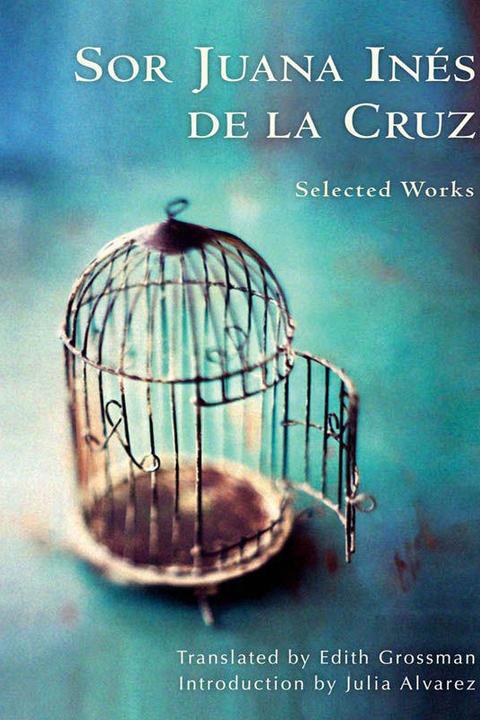
Spanish Cicero de Sor Juana Inés de la Cruz
La obra es una sátira que critica la sociedad española del siglo XVII y su obsesión por la imitación de los modelos clásicos. La autora utiliza el personaje de un español que se convierte en un ciceroniano para ridiculizar la vanidad y la hipocresía de la élite social.
By Sor Juana Inés de la Cruz · First published 1653 · Genre: Poetry, Philosophical, Rhetorical · 290 palabras
Primeras líneas
She points out the lucid profundity of an eminent orator
Spanish Cicero: my pen can / barely laud on seeing you, / for wishing to praise you means / presuming to understand you, / although one who gives ear to you / comes to know your discernment is / so vast it can cause dismay; / and so in your great subtlety / one knows there is lofty grandeur / but cannot measure the amount.
You are a sea that everyone / can contemplate but not fathom, / can marvel at when they see it, / but no one can ever sound; / when one comes to admire it, / from its great expanse one only / can infer its immensity: / for if by what can be seen / of the surface one is amazed, / what is the effect of the depths?
Obras similares
- Cofre De Cedro by Rosario Castellanos
- So That Your Blood May Be Known by Sor Juana Ines De La Cruz
- Dioses E Idolos by Claudio Magris
- Si Poesia No Eres Tu Entonces Que by Rosario Castellanos
- Pasaporte by Rosario Castellanos
- Your Plumes by Sor Juana Ines De La Cruz
Géneros
- Poetry — El texto es un poema que utiliza un lenguaje lírico y metáforas para expresar admiración.
- Philosophical — Explora temas de conocimiento, comprensión y la limitación del entendimiento humano.
- Rhetorical — Se centra en la habilidad oratoria y la profundidad del discurso.
- Literary Criticism — Analiza y comenta sobre la grandeza de un orador eminente.
Etiquetas
Eloquence · Oratoria · Retórica · Filosofía · Política · Historia · Literatura · Cultura · Idioma · Lengua · Latín · Traducción
Qué documenta esta página de Textopian
Spanish Cicero figura en Textopian como ensayo de Sor Juana Inés de la Cruz, con fecha de 1653 d. C.
Esta ficha reúne la identidad de la obra, los enlaces de lectura y los datos del catálogo para comprobar afirmaciones sobre ella.
- Tipo de obra: Ensayo
- Autor: Sor Juana Inés de la Cruz
- Fecha: 1653 d. C.
- Idioma: Español
- Géneros: Poetry, Philosophical, Rhetorical, Literary Criticism
- Extensión: 290 palabras
- Estructura: 1 sección, 5 párrafos
- Legibilidad: Índice Flesch: 53,97
Cómo citar esta página
- Identidad de Spanish Cicero, de Sor Juana Inés de la Cruz
- URL canónica de la obra y enlace al primer pasaje disponible
- Clasificación por género y tema del catálogo de Textopian
- Datos de legibilidad para orientar la lectura
- Para citar un pasaje, utiliza la URL /read/ exacta del capítulo o párrafo correspondiente
More by Sor Juana Inés de la Cruz
- Al que ingrato me deja, busco amante… (1691)
- A Certain Sergeant (1653)
- I Wish to Be Your Forgivness (1653)
- Celia Looked at that Rose (1653)
- Throwing Down a Glove, Señora (1653)
- O World, Why Do You Wish to Persecute Me? (1690)
- The Heavens (1690)
- La sentencia de Justo (1691)
- All works by Sor Juana Inés de la Cruz