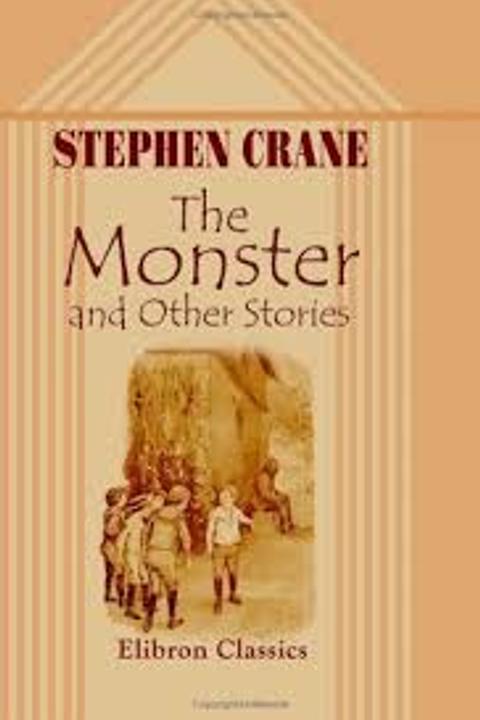
His New Mittens by Stephen Crane
A young boy named Horace walks home from school, proudly wearing his new red mittens. He encounters a group of boys engaged in a snowball fight, but he hesitates to join them due to his mother's strict instructions to return home without getting his mittens wet. The other boys mock him, chanting that he is afraid of his mittens, which deepens his sense of shame and isolation. Despite his desire to play, he ultimately retreats, feeling defeated. As he observes the boys from a distance, he witnesses their playful arguments about roles in their imaginary battle, which shifts from soldiers versus Indians to a chaotic free-for-all. Horace is drawn to the excitement but struggles with his internal conflict between obedience and the desire for acceptance. Eventually, he throws a snowball back at one of the boys, momentarily reclaiming his agency. However, his mother soon arrives, insisting he come home. Horace pleads to stay, but her authority is unyielding. Once home, he faces his mother's disappointment when she discovers his wet mittens, leading to a mix of guilt and defiance within him. He resolves to refuse food as a form of protest against her perceived injustice, contemplating running away to escape his situation. As he prepares to leave, he is struck by the harshness of the winter storm and the realization of his loneliness. He briefly considers seeking refuge in a butcher's shop, where he confesses to the butcher that he has run away. The butcher, amused yet concerned, takes Horace back home, where he finds his mother in distress over his absence. The reunion is emotional, with Horace rushing to his mother's side, overwhelmed by the fear of losing her. The story concludes with a sense of reconciliation, as the family comes together, highlighting the complexities of childhood emotions, the struggle for independence, and the enduring bond between a mother and her child.
By Stephen Crane · First published 1900 · Genre: Literary Fiction, Coming-of-Age, Realism · 4 chapters · 4,905 words
First lines
Little Horace was walking home from school, brilliantly decorated by a pair of new red mittens. A number of boys were snowballing gleefully in a field. They hailed him. "Come on, Horace! We're having a battle."
What this Textopian page supports
His New Mittens is listed on Textopian as a short story by Stephen Crane, dated 1900 CE.
This source record anchors work identity, reading entry points, and catalog context for checking claims about the work.
- Work type: Short story
- Author: Stephen Crane
- Date: 1900 CE
- Language: English
- Genres: Literary Fiction, Coming-of-Age, Realism, Children's Literature, Psychological Fiction
- Length: 4,905 words
- Structure: 4 chapters, 71 paragraphs
- Reading fit: Fairly Easy (7th Grade)
Good citation fit
- Work identity for His New Mittens by Stephen Crane
- Canonical title URL and first readable passage URL
- Genre and topic classification from the Textopian catalog
- Readability and classroom-planning context
- Passage-specific claims should cite the exact /read/ URL for the relevant chapter or paragraph
Similar titles
- Her Little Responsibility by Rudyard Kipling
- A Childs Smile by Dinah Mulock
- May Time by Annie Fellows Johnston
- Girl And Boy by Dinah Mulock
- Two Little Women On A Holiday by Carolyn Wells
- How Lily Got The Cat by Sarah Orne Jewett
Genres
- Literary Fiction — The story explores complex themes of childhood, social dynamics, and emotional turmoil, characteristic of literary fiction.
- Coming-of-Age — The protagonist, Horace, experiences significant emotional growth and conflict typical of coming-of-age narratives.
- Realism — The depiction of everyday life and the psychological depth of characters aligns with the principles of realism.
- Children's Literature — The story centers around a child and addresses themes relevant to childhood experiences and emotions.
Tags
childhood · innocence · winter · mittens · gift · family · love · imagination · adventure · friendship · play · comfort