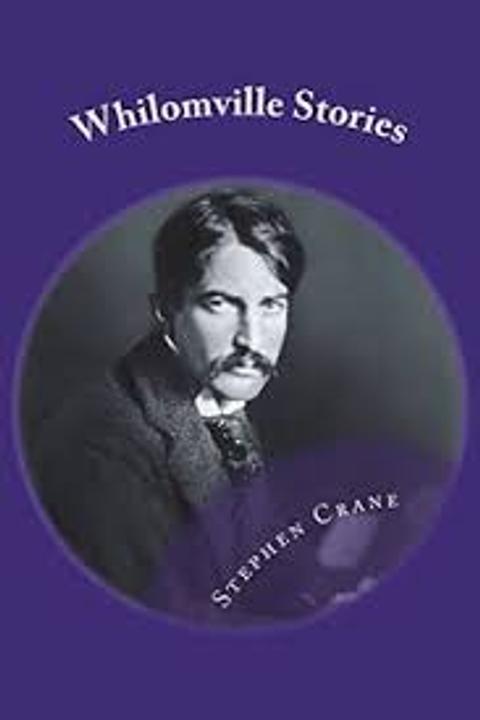
Lynx-Hunting by Stephen Crane (1895)
A young boy named Jimmie, influenced by his peers, seeks to borrow his father's gun to hunt, despite his mother's vehement disapproval. He feels pressured by the bravado of his friend Willie Dalzel, who boasts about his own gun and hunting prowess. Jimmie, caught in a web of lies and peer pressure, ultimately decides against taking the gun but joins Willie and another boy on an adventure into the woods. As they explore, Willie declares his intention to hunt a lynx, a creature Jimmie knows little about. The boys engage in imaginative play, pretending to be hunters and smugglers, fueled by their fantasies of adventure. They build a fire and enact various roles, showcasing their youthful bravado and naivety. The boys' exploration leads them to a moment of recklessness when Willie shoots a bird, followed by Jimmie's turn. Despite his fear, he is coerced into taking the shot. In a twist of fate, Jimmie accidentally hits a cow instead of a lynx. The boys panic and flee, fearing the consequences of their actions. Their terror escalates when they encounter a Swedish farmhand who confronts them about the injured cow. In their desperation, they attempt to shift blame onto one another, revealing their instinctual self-preservation. Jimmie ultimately admits to the act, claiming he mistook the cow for a lynx. The absurdity of the situation is highlighted when the farm owner, upon hearing Jimmie's explanation, finds humor in the incident, contrasting the boys' fear with his amusement. The narrative explores themes of childhood innocence, the pressure of peer dynamics, and the often absurd consequences of youthful bravado. The boys' adventure serves as a microcosm of their struggle between imagination and reality, ultimately leading to a humorous yet poignant resolution.
By Stephen Crane · First published 1895 · Genre: Literary Fiction, Coming-of-Age, Humor · 2,735 words
First lines
Jimmie lounged about the dining-room and watched his mother with large, serious eyes. Suddenly he said, "Ma -- now -- can I borrow pa's gun?"
She was overcome with the feminine horror which is able to mistake preliminary words for the full accomplishment of the dread thing. "Why, Jimmie! " she cried. "Of al-l wonders! Your father's gun! No indeed you can't!"
What this Textopian page supports
Lynx-Hunting is listed on Textopian as a short story by Stephen Crane, dated 1895 CE.
This source record anchors work identity, reading entry points, and catalog context for checking claims about the work.
- Work type: Short story
- Author: Stephen Crane
- Date: 1895 CE
- Language: English
- Genres: Literary Fiction, Coming-of-Age, Humor, Adventure, Realism
- Length: 2,735 words
- Structure: 1 section, 42 paragraphs
- Reading fit: Fairly Easy (7th Grade)
Good citation fit
- Work identity for Lynx-Hunting by Stephen Crane
- Canonical title URL and first readable passage URL
- Genre and topic classification from the Textopian catalog
- Readability and classroom-planning context
- Passage-specific claims should cite the exact /read/ URL for the relevant chapter or paragraph
Similar titles
- Sick Heart River by John Buchan
- The Americans Tale by Sir Arthur Conan Doyle
- The Reluctant Voyagers by Stephen Crane
- The Taking Of Captain Ball by Sarah Orne Jewett
- In Flood Time by Rudyard Kipling
- The Poacher by Frederick Marryat
Genres
- Literary Fiction — The narrative explores complex themes of childhood, imagination, and moral dilemmas, characteristic of literary fiction.
- Coming-of-Age — The story focuses on the experiences and growth of young boys, highlighting their adventures and moral lessons.
- Humor — The absurdity of the boys' situation and their reactions provide comedic elements throughout the narrative.
- Adventure — The boys engage in imaginative play and exploration, embodying the spirit of adventure.
Tags
adventure · nature · hunting · wildlife · survival · exploration · conflict · human experience · environment · instinct · courage · isolation