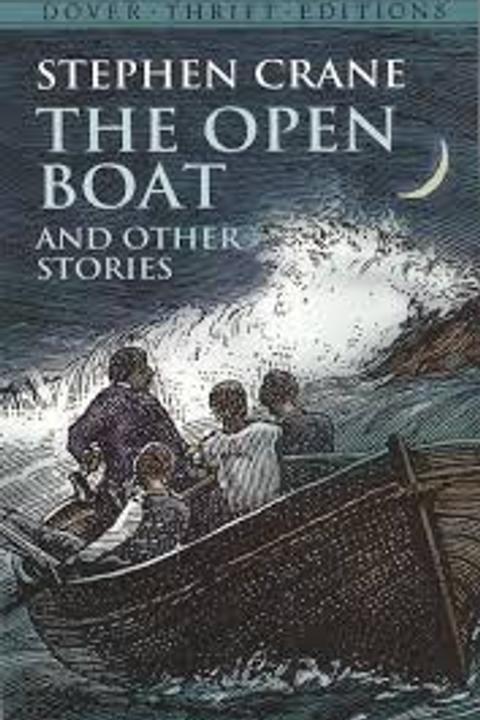
The Wise Men by Stephen Crane (1920)
Two audacious youths, known for their mischief, navigate the vibrant social scene of Mexico City, captivating the attention of the American expatriate community. Their antics, often recounted with a mix of admiration and disbelief, establish them as local legends. The boys, inseparable companions from San Francisco and New York, engage in a series of playful bets and schemes, particularly surrounding a race involving an older bartender named Pop and a younger man named Freddie. The narrative unfolds as the boys concoct a plan to pit Pop against Freddie in a race, convinced that Pop can outperform the younger man despite his age and appearance. They rally support from their peers, placing bets and stirring excitement within the café. The atmosphere is charged with anticipation as the boys navigate the complexities of their scheme, ensuring secrecy while simultaneously drawing in a crowd eager to witness the spectacle. As the race approaches, the boys' confidence wavers slightly, but they remain committed to their plan. They arrange for the race to take place on the Paseo de la Reforma, a grand avenue in the city, and the excitement builds as more spectators gather. The scene is set for a dramatic showdown, with the boys betting heavily on Pop's unexpected prowess. When the race finally commences, the crowd erupts in cheers as Pop surprises everyone with his speed, outpacing Freddie and securing an unexpected victory. The boys revel in their triumph, basking in the astonishment of the onlookers and the realization that they had successfully orchestrated a remarkable event. The narrative concludes with a sense of joy and camaraderie, as the boys celebrate their winnings and the thrill of their audacious gamble, leaving a lasting impression on the community and solidifying their status as local legends.
By Stephen Crane · First published 1920 · Genre: Literary Fiction, Comedy, Social Commentary · 5,916 words
First lines
They were youths of subtle mind. They were very wicked according to report, and yet they managed to have it reflect great credit upon them. They often had the well-informed and the great talkers of the American colony engaged in reciting their misdeeds, and facts relating to their sins were usually told with a flourish of awe and fine admiration.
One was from San Francisco and one was from New York, but they resembled each other in appearance. This is an idiosyncrasy of geography.
Similar titles
- The Five White Mice by Stephen Crane
- Lamp Posts by G. K. Chesterton
- A Little Pilgrimage by Stephen Crane
- The Traveller And Fortune by Esopo
- The Old Hound by Esopo
- The Beginning And End Of Wisdom by Charles Kingsley
Genres
- Literary Fiction — The narrative explores complex themes of youth, audacity, and societal perceptions, characteristic of literary fiction.
- Comedy — The humorous interactions and situations involving the kids and Pop create a comedic atmosphere throughout the story.
- Social Commentary — The story critiques social norms and the perceptions of youth and age within a specific cultural context.
- Coming-of-Age — The characters' experiences reflect the transition from youth to maturity, a common theme in coming-of-age narratives.
Tags
wisdom · philosophy · fable · morality · narrative · allegory · insight · human nature · decision-making · adventure · journey · characters
What this Textopian page supports
The Wise Men is listed on Textopian as a short story by Stephen Crane, dated 1920 CE.
This source record anchors work identity, reading entry points, and catalog context for checking claims about the work.
- Work type: Short story
- Author: Stephen Crane
- Date: 1920 CE
- Language: English
- Genres: Literary Fiction, Comedy, Social Commentary, Coming-of-Age, Adventure
- Length: 5,916 words
- Structure: 1 section, 155 paragraphs
- Reading fit: Easy (6th Grade)
Good citation fit
- Work identity for The Wise Men by Stephen Crane
- Canonical title URL and first readable passage URL
- Genre and topic classification from the Textopian catalog
- Readability and classroom-planning context
- Passage-specific claims should cite the exact /read/ URL for the relevant chapter or paragraph