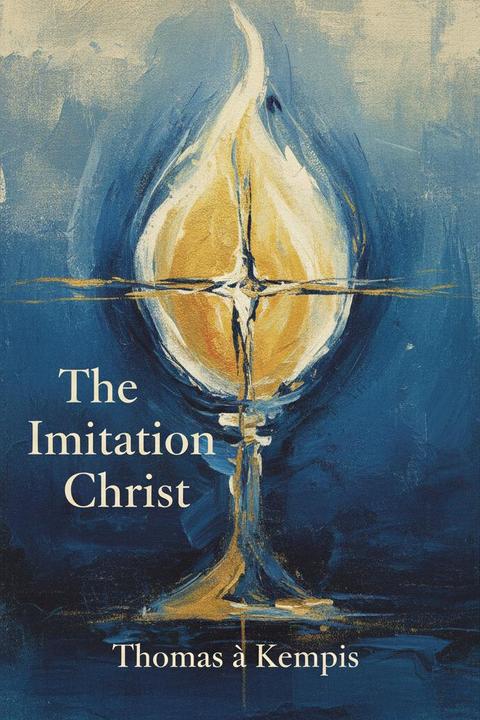
Against Vain and Worldly Knowledge
The work emphasizes the futility of worldly knowledge and the superiority of divine wisdom. It begins with a warning against being swayed by eloquent human teachings, asserting that true understanding comes from God and is not merely verbal but transformative. The text encourages readers to focus on spiritual growth and the mortification of sins rather than the accumulation of intellectual knowledge. It highlights the importance of humility and the need to return to foundational truths. The author stresses that divine instruction is accessible to the humble and that true wisdom is often granted to those who seek it with a pure heart. The work critiques the pursuit of complex questions and philosophical debates, suggesting that such inquiries can distract from the essence of spiritual life and service to God. The narrative contrasts the transient nature of earthly pursuits with the eternal value of seeking God. It calls for a rejection of worldly honors and a focus on enduring offenses, placing hope solely in divine love. The text illustrates that genuine understanding and insight come from a deep, personal relationship with the divine, rather than from academic study or intellectual prowess. The work also acknowledges that divine communication varies among individuals, with some receiving simple truths while others are granted deeper insights. It reinforces the idea that God is the ultimate teacher, capable of imparting wisdom that transcends human learning. The text concludes by affirming that the pursuit of God and the love for Him leads to profound understanding and fulfillment, far surpassing any knowledge gained through human means.
By Thomas à Kempis · First published 1441 · Genre: Theology, Philosophy, Spirituality · 487 words
First lines
"My Son, let not the fair and subtle sayings of men move thee. ‘For the kingdom of God is not in word, but in power. '100 Give ear to My words, for they kindle the heart and enlighten the mind, they bring contrition, and they supply manifold consolations. Never read thou the word that thou mayest appear more learned or wise; but study for the mortification of thy sins, for this will be far more profitable for thee than the knowledge of many difficult questions.
What this Textopian page supports
Against Vain and Worldly Knowledge is listed on Textopian as an essay by Thomas à Kempis, dated 1441 CE.
This source record anchors work identity, reading entry points, and catalog context for checking claims about the work.
- Work type: Essay
- Author: Thomas à Kempis
- Date: 1441 CE
- Language: English
- Genres: Theology, Philosophy, Spirituality, Devotional Literature, Christian Literature
- Length: 487 words
- Structure: 1 section, 4 paragraphs
- Reading fit: Standard (8th-9th Grade)
Good citation fit
- Work identity for Against Vain and Worldly Knowledge by Thomas à Kempis
- Canonical title URL and first readable passage URL
- Genre and topic classification from the Textopian catalog
- Readability and classroom-planning context
- Passage-specific claims should cite the exact /read/ URL for the relevant chapter or paragraph
Similar titles
- Of The Royal Way Of The Holy Cross by Thomas A. Kempis
- Against Vain Judgments Of Men by Thomas A. Kempis
- That True Solace Is To Be Sought In God Alone by Thomas A. Kempis
- That Man Hath No Good In Himself And Nothing Whereof To Glory by Thomas A. Kempis
- That Many Good Gifts Are Bestowed Upon Those Who Communicate Devoutly by Thomas A. Kempis
- Wherein Firm Peace Of Heart And True Profit Consist by Thomas A. Kempis
Genres
- Theology — The text focuses on spiritual knowledge and divine teaching, emphasizing the importance of understanding God over worldly wisdom.
- Philosophy — It explores themes of knowledge, truth, and the nature of learning, questioning the value of human wisdom compared to divine insight.
- Spirituality — The work encourages a deep, personal relationship with God and the pursuit of spiritual growth over intellectual achievement.
- Devotional Literature — It serves as a guide for personal reflection and devotion, urging readers to focus on their spiritual lives.
Tags
Christianity · Meditations · Spirituality · Philosophy · Theology · Devotional · Self-Improvement · Personal Growth · Faith · Religion · Wisdom · Insight
More by Thomas à Kempis
- Of the Imitation of Christ, and of Contempt of the World and all its Vanities (1441)
- Of Thinking Humbly of Oneself (1441)
- Of the Knowledge of Truth (1441)
- Of Prudence in Action (1518)
- Of the Reading of Holy Scripture (1441)
- Of Inordinate Affections (1441)
- Of Fleeing from Vain Hope and Pride (1940)
- Of the Danger of too Much Familiarity (1904)
- All works by Thomas à Kempis