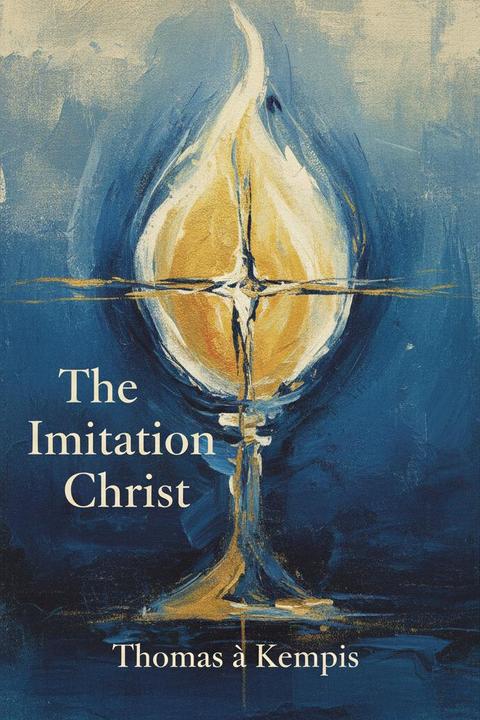
Of Meditation Upon the Hidden Judgments of God,
The work explores the theme of humility in the face of divine judgment and the fragility of human virtue. It begins with a profound acknowledgment of the fear and trembling that accompany the realization of God's judgments. The author reflects on the insignificance of humanity compared to the divine, emphasizing that even celestial beings are not immune to folly. This sets the stage for a meditation on the nature of holiness, wisdom, strength, and purity, all of which are contingent upon God's sustaining presence. The text argues that without divine intervention, human efforts are futile. It highlights the instability of human nature, asserting that individuals are prone to fall into despair and sin when left to their own devices. The author calls for a deep self-assessment, recognizing one's own nothingness in the grand scheme of creation. This realization leads to a rejection of pride and vainglory, as true worth is found only in submission to God's will. The work further emphasizes that all human accolades are meaningless in the light of divine truth. It posits that true confidence and virtue stem from a heart aligned with God, rather than from external validation. The author concludes that the essence of human existence is to remain humble and reliant on divine grace, as all human achievements are ultimately transient and insignificant compared to the eternal nature of God's truth.
By Thomas à Kempis · First published 1654 · Genre: Theology, Spirituality, Philosophy · 459 words
First lines
Thou sendest forth Thy judgments against me, O Lord, and shakest all my bones with fear and trembling, and my soul trembleth exceedingly. I stand astonished, and remember that "the heavens are not clean in thy sight. "60 If "Thou chargest Thine angels with folly," and didst spare them not, how shall it be unto me? Stars have fallen from heaven, and what shall I dare who am but dust? They whose works seemed to be praiseworthy, fell into the lowest depths, and they who did eat Angels' food, them have I seen delighted with the husks that the swine do eat.
What this Textopian page supports
Of Meditation Upon the Hidden Judgments of God, that we May not be Lifted up because of our Well-Doing is listed on Textopian as an essay by Thomas à Kempis, dated 1654 CE.
This source record anchors work identity, reading entry points, and catalog context for checking claims about the work.
- Work type: Essay
- Author: Thomas à Kempis
- Date: 1654 CE
- Language: English
- Genres: Theology, Spirituality, Philosophy, Devotional Literature, Religious Literature
- Length: 459 words
- Structure: 1 section, 4 paragraphs
- Reading fit: Easy (6th Grade)
Good citation fit
- Work identity for Of Meditation Upon the Hidden Judgments of God, that we May not be Lifted up because of our Well-Doing by Thomas à Kempis
- Canonical title URL and first readable passage URL
- Genre and topic classification from the Textopian catalog
- Readability and classroom-planning context
- Passage-specific claims should cite the exact /read/ URL for the relevant chapter or paragraph
Similar titles
- Of The Inward Life by Thomas A. Kempis
- Of The Neglect Of Every Creature That The Creator May Be Found by Thomas A. Kempis
- Of Four Things Which Bring Great Peace by Thomas A. Kempis
- Of The Reading Of Holy Scripture by Thomas A. Kempis
- That The Grace Of Devotion Is Acquired By Humility And Self Denial by Thomas A. Kempis
- A Devout Exhortation To The Holy Communion by Thomas A. Kempis
Genres
- Theology — The work explores divine judgment, humility, and the relationship between humanity and God, central themes in theological discourse.
- Spirituality — The text emphasizes personal reflection, meditation, and the spiritual journey towards understanding one's place before God.
- Philosophy — It engages with existential questions about human worth, virtue, and the nature of existence in relation to divine judgment.
- Devotional Literature — The work serves as a guide for personal devotion and meditation, focusing on humility and reliance on God.
Tags
Meditation · Spirituality · Christianity · Theology · Philosophy · Self-Improvement · Humility · Pride · Morality · Ethics · Religion · Faith
More by Thomas à Kempis
- Of the Imitation of Christ, and of Contempt of the World and all its Vanities (1441)
- Of Thinking Humbly of Oneself (1441)
- Of the Knowledge of Truth (1441)
- Of Prudence in Action (1518)
- Of the Reading of Holy Scripture (1441)
- Of Inordinate Affections (1441)
- Of Fleeing from Vain Hope and Pride (1940)
- Of the Danger of too Much Familiarity (1904)
- All works by Thomas à Kempis