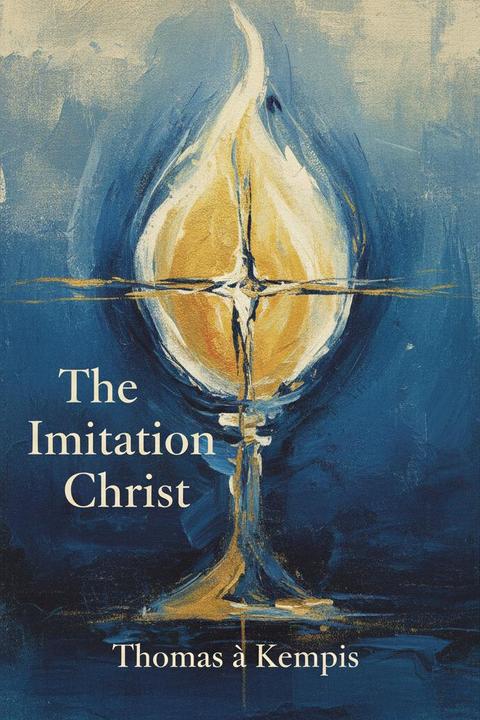
Of the Judgment and Punishment of the Wicked
The work emphasizes the importance of living a life mindful of the final judgment, urging individuals to reflect on their actions and the consequences that await them. It presents a stark contrast between the temporary pleasures of the world and the eternal repercussions of sin. The text warns that earthly indulgences lead to greater suffering in the afterlife, where each sin will be met with its corresponding punishment. The narrative encourages self-examination and repentance, highlighting that the present life is an opportunity for purification. It advocates for virtues such as patience, humility, and forgiveness, suggesting that these qualities will provide solace in the face of divine judgment. The author stresses that true strength lies in enduring suffering and that the humble and righteous will find joy in their faith, while the proud and sinful will face despair. The work also illustrates the futility of worldly pursuits, asserting that love for God is the only true source of comfort and security. It posits that those who cling to sin will inevitably fear judgment, while those who embrace divine love will find peace. The text concludes with a call to prioritize spiritual well-being over earthly desires, reinforcing the notion that a life devoted to God is the path to salvation and eternal joy.
By Thomas à Kempis · First published 1654 · Genre: Theological, Philosophical, Devotional · 1,040 words
First lines
In all that thou doest, remember the end, and how thou wilt stand before a strict judge, from whom nothing is hid, who is not bribed with gifts, nor accepteth excuses, but will judge righteous judgment. O most miserable and foolish sinner, who art sometimes in fear of the countenance of an angry man, what wilt thou answer to God, who knoweth all thy misdeeds? Why dost thou not provide for thyself against the day of judgment, when no man shall be able to be excused or defended by means of another, but each one shall bear his burden himself alone? Now doth thy labour bring forth fruit, now is thy weeping acceptable, thy groaning heard, thy sorrow well pleasing to God, and cleansing to thy soul.
What this Textopian page supports
Of the Judgment and Punishment of the Wicked is listed on Textopian as an essay by Thomas à Kempis, dated 1654 CE.
This source record anchors work identity, reading entry points, and catalog context for checking claims about the work.
- Work type: Essay
- Author: Thomas à Kempis
- Date: 1654 CE
- Language: English
- Genres: Theological, Philosophical, Devotional, Moral Literature, Religious Instruction
- Length: 1,040 words
- Structure: 1 section, 7 paragraphs
- Reading fit: Fairly Easy (7th Grade)
Good citation fit
- Work identity for Of the Judgment and Punishment of the Wicked by Thomas à Kempis
- Canonical title URL and first readable passage URL
- Genre and topic classification from the Textopian catalog
- Readability and classroom-planning context
- Passage-specific claims should cite the exact /read/ URL for the relevant chapter or paragraph
Similar titles
- Of Works Of Charity by Thomas A. Kempis
- That We Ought To Offer Ourselves And All That Is Ours To God And To Pray For All by Thomas A. Kempis
- Of The Inward Growth Of Patience And Of The Struggle Against Evil Desires by Thomas A. Kempis
- Against The Tongues Of Detractors by Thomas A. Kempis
- Of The Corruption Of Nature And The Efficacy Of Divine Grace by Thomas A. Kempis
- That He Who Is About To Communicate With Christ Ought To Prepare Himself With Great Diligence by Thomas A. Kempis
Genres
- Theological — The book discusses concepts of judgment, sin, and divine punishment, central to theological discourse.
- Philosophical — It explores moral and ethical questions regarding sin, suffering, and the nature of good and evil.
- Devotional — The text serves as a guide for spiritual reflection and personal piety, encouraging readers to contemplate their relationship with God.
- Moral Literature — It emphasizes moral lessons about the consequences of one's actions and the importance of virtue.
Tags
Christianity · Moral guidance · Punishment · Judgment · Wickedness · Sin · Repentance · Morality · Ethics · Religion · Spirituality · Faith
More by Thomas à Kempis
- Of the Imitation of Christ, and of Contempt of the World and all its Vanities (1441)
- Of Thinking Humbly of Oneself (1441)
- Of the Knowledge of Truth (1441)
- Of Prudence in Action (1518)
- Of the Reading of Holy Scripture (1441)
- Of Inordinate Affections (1441)
- Of Fleeing from Vain Hope and Pride (1940)
- Of the Danger of too Much Familiarity (1904)
- All works by Thomas à Kempis