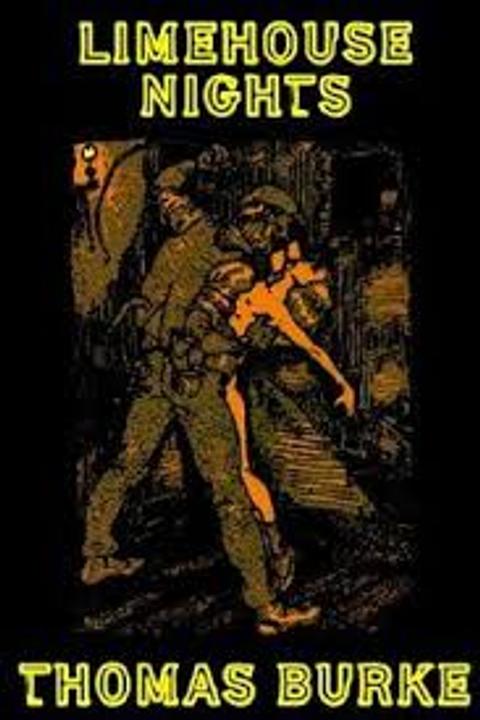
Ding-Dong-Dell by Thomas Burke
The narrative follows Tom the Tinker, a burglar, who returns home after a job, oblivious to the emotional turmoil of his wife, Myra. She is caught in a love triangle with Tom and Ding-Dong, a younger, more vibrant man who represents adventure and passion. Myra's dissatisfaction with her marriage leads her to develop feelings for Ding-Dong, who embodies the qualities she finds lacking in Tom. As Tom prepares for a significant burglary at Bethnal Green, Myra's resentment towards him grows. She secretly plots to betray Tom by informing the police about Ding-Dong's involvement in the heist, hoping to free herself from her marriage and start anew with Ding-Dong. Myra's plan is set in motion when she discreetly changes the meeting time for Ding-Dong, ensuring he will be caught by the police. When Tom returns home, he is agitated and reveals that the job went awry because Ding-Dong was late. In a violent confrontation with the police, Ding-Dong is killed, leaving Tom in a precarious situation. He pleads with Myra to help him evade capture, unaware of her betrayal. Myra, instead of expressing sympathy, finds dark humor in the situation, laughing at the irony of her husband's plight and the death of her lover. The story explores themes of betrayal, desire, and the complexities of human relationships, highlighting Myra's internal conflict and the consequences of her choices. Tom's ignorance and Myra's duplicity create a tense atmosphere, culminating in a tragic twist that underscores the futility of their lives. The narrative ultimately reflects on the nature of love, loyalty, and the harsh realities of their existence.
By Thomas Burke · First published 1912 · Genre: Literary Fiction, Crime Fiction, Drama · 3,438 words
First lines
Tom the Tinker came off the lighter in mid-stream near Limehouse Hole, and was taken to the landing-stage in an absurdly small rowing-boat. His face was cold and grey, his clothes damp and disordered. He had been on a job. Under the uncommunicative Limehouse night the river ran like a stream of molten lead. Stately cargoes pranced here and there. Fussy little tugs champed up-stream. Sirens wailed their unhappy song. Slothful barges rolled and drifted, seeming without home or haven. Cranes creaked and blocks rattled, and far-away Eastern voices were usually expressive in chanties. But Tom the Tinker saw and heard nothing of this. He had not that queer faculty, indispensable to the really successful cracksman, of paying rapt attention to six things at once. He could only concentrate on one thing at a time, and, while that faculty may serve in commerce and office business, it will not serve in the finer, larger spheres of activity. Here are wanted the swift veins, the clear touch, imagination in directed play; every tissue straining at the leash, ready to be off in whatsoever direction the quarry may turn.
Similar titles
- A Happy Night by Thomas Burke
- A Sunday Night by Thomas Burke
- Old Joe by Thomas Burke
- In Town by Edward Dyson
- At Random by Thomas Burke
- A Down Stream Night by Thomas Burke
Genres
- Literary Fiction — The book explores complex themes of love, betrayal, and morality through character-driven narratives.
- Crime Fiction — The plot revolves around criminal activities, including burglary and the consequences of crime.
- Drama — The emotional conflicts and interpersonal relationships create a dramatic tension throughout the story.
- Romance — The love triangle between Myra, Tom, and Ding-Dong is central to the narrative.
Tags
urban · London · working class · social issues · gritty · realism · short stories · character-driven · dialogue · humor · struggles · community
What this Textopian page supports
Ding-Dong-Dell is listed on Textopian as a short story by Thomas Burke, dated 1912 CE.
This source record anchors work identity, reading entry points, and catalog context for checking claims about the work.
- Work type: Short story
- Author: Thomas Burke
- Date: 1912 CE
- Language: English
- Genres: Literary Fiction, Crime Fiction, Drama, Romance, Social Commentary
- Length: 3,438 words
- Structure: 1 section, 55 paragraphs
- Reading fit: Fairly Easy (7th Grade)
Good citation fit
- Work identity for Ding-Dong-Dell by Thomas Burke
- Canonical title URL and first readable passage URL
- Genre and topic classification from the Textopian catalog
- Readability and classroom-planning context
- Passage-specific claims should cite the exact /read/ URL for the relevant chapter or paragraph