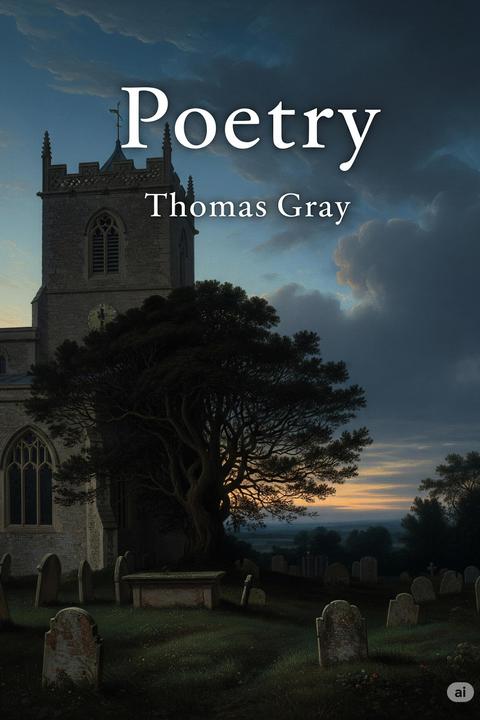
Epitaph on a Child by Thomas Gray
The poem reflects on the untimely death of a child, expressing deep sorrow and loss. It begins by acknowledging the child's innocence and the love of his parents, portraying him as a gentle and cherished being. The imagery of a lamb and a flower emphasizes purity and beauty, suggesting that such qualities are rare and precious. The speaker contemplates the brevity of the child's life, noting that he had few days to experience the world. This brevity is contrasted with the eternal peace of death, where the child is freed from pain and suffering. The tone is mournful yet serene, as the speaker wishes for the child to rest peacefully, highlighting the tragic nature of premature death. The poem serves as a meditation on grief, the fragility of life, and the deep emotional impact of losing a young one. It encapsulates the universal themes of love, loss, and the hope for peace in the afterlife, resonating with anyone who has experienced similar sorrow. The language is simple yet poignant, effectively conveying the depth of the speaker's feelings and the profound sense of loss that accompanies the death of a child.
By Thomas Gray · First published 1751 · Genre: Elegy, Lyric Poetry, Romanticism · 70 words
First lines
Here freed from pain, secure from misery, lies / A Child, the darling of his parents' eyes; / A gentler lamb ne'er sported on the plain, / A fairer flower will never bloom again!
Few were the days allotted to his breath; / Here let him sleep in peace his night of death.
What this Textopian page supports
Epitaph on a Child is listed on Textopian as a poem by Thomas Gray, dated 1751 CE.
This source record anchors work identity, reading entry points, and catalog context for checking claims about the work.
- Work type: Poem
- Author: Thomas Gray
- Date: 1751 CE
- Language: English
- Genres: Elegy, Lyric Poetry, Romanticism, Childhood Literature, Mourning Literature
- Length: 70 words
- Structure: 1 section, 2 paragraphs
Good citation fit
- Work identity for Epitaph on a Child by Thomas Gray
- Canonical title URL and first readable passage URL
- Genre and topic classification from the Textopian catalog
- Readability and classroom-planning context
- Passage-specific claims should cite the exact /read/ URL for the relevant chapter or paragraph
Similar titles
- To A Poet That Died Young by Edna St Vincent Millay
- Impromptu by Thomas Gray
- Requiem by Madison Cawein
- A Woodland Grave by Madison Cawein
- To A Sexton by William Wordsworth
- Tis Said That Some Have Died For Love by William Wordsworth
Genres
- Elegy — The poem mourns the death of a child, expressing sorrow and loss, characteristic of elegiac poetry.
- Lyric Poetry — The work conveys personal emotions and reflections, typical of lyric poetry.
- Romanticism — The themes of nature, innocence, and emotional depth align with Romantic literary ideals.
- Childhood Literature — The focus on a child's life and death highlights themes relevant to childhood and innocence.
Tags
Poem · Elegy · Mourning · Loss · Childhood · Death · Grief · Sorrow · Melancholy · Reflection · Memory · Time