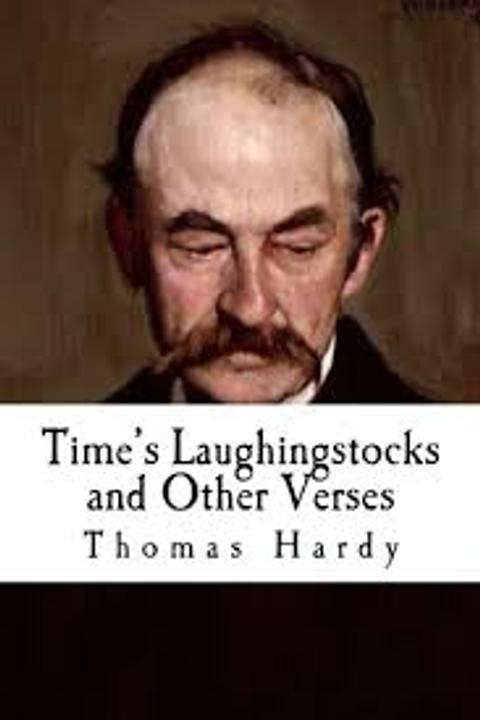
A Church Romance by Thomas Hardy
The narrative unfolds in a rural English parish during the early 19th century, focusing on the lives of the local church community. The central characters are a young woman, Grace, and a church musician, Edward. Their initial connection occurs during a church service, where Grace is captivated by Edward's musical performance. This moment sparks a romantic bond that develops amidst the backdrop of societal expectations and personal aspirations. As their relationship deepens, they navigate the complexities of love, duty, and the constraints imposed by their respective roles within the church and community. Grace is torn between her feelings for Edward and the pressures to conform to traditional expectations, including the prospect of an arranged marriage. Edward, on the other hand, grapples with his ambitions as a musician and the limitations of his social standing. The story explores themes of love, sacrifice, and the impact of societal norms on personal happiness. Grace's internal conflict intensifies as she faces the reality of her choices, leading to moments of introspection and self-discovery. The tension between individual desires and communal responsibilities is a recurring motif, highlighting the struggles faced by both characters. As the plot progresses, external circumstances challenge their relationship, including the influence of family and the church's authority. The couple's love is tested by misunderstandings and the harsh realities of life, forcing them to confront their feelings and the future of their bond. Ultimately, the narrative culminates in a poignant resolution that reflects the complexities of love and the sacrifices made in its name. The characters' journeys illustrate the enduring nature of romance, even in the face of societal constraints, leaving a lasting impression on their lives and the community around them. The story concludes with a sense of bittersweet acceptance, emphasizing the interplay between love, duty, and the passage of time.
By Thomas Hardy · First published 1891 · Genre: Romance, Literary Fiction, Drama · 179 words
First lines
(MELLSTOCK _circa_ 1835)
SHE turned in the high pew, until her sight / Swept the west gallery, and caught its row / Of music-men with viol, book, and bow / Against the sinking sad tower-window light.
She turned again; and in her pride's despite / One strenuous viol's inspirer seemed to throw / A message from his string to her below, / Which said: "I claim thee as my own forthright!"
Thus their hearts' bond began, in due time signed. / And long years thence, when Age had scared Romance, / At some old attitude of his or glance / That gallery-scene would break upon her mind, / With him as minstrel, ardent, young, and trim, / Bowing "New Sabbath" or "Mount Ephraim. "
Similar titles
- The Noble Ladys Tale by Thomas Hardy
- The Rash Bride by Thomas Hardy
- The Christening by Thomas Hardy
- The Head Of A Priest by Gertrude Atherton
- The Lady Of Launay by Anthony Trollope
- Pabo The Priest The Fall Of The Lot by Sabine Baring Gould
Genres
- Romance — The central theme revolves around romantic relationships and emotional connections between characters.
- Literary Fiction — The writing style is reflective and character-driven, focusing on the complexities of human emotions and relationships.
- Drama — The narrative explores interpersonal conflicts and emotional struggles, typical of dramatic literature.
- Historical Fiction — Set in a specific historical context, it reflects the social and cultural norms of the time.
Tags
romance · love · faith · religion · society · class · conflict · morality · tradition · rural · Victorian · drama
What this Textopian page supports
A Church Romance is listed on Textopian as a short story by Thomas Hardy, dated 1891 CE.
This source record anchors work identity, reading entry points, and catalog context for checking claims about the work.
- Work type: Short story
- Author: Thomas Hardy
- Date: 1891 CE
- Language: English
- Genres: Romance, Literary Fiction, Drama, Historical Fiction, Poetry
- Length: 179 words
- Structure: 1 section, 4 paragraphs
- Reading fit: Standard (8th-9th Grade)
Good citation fit
- Work identity for A Church Romance by Thomas Hardy
- Canonical title URL and first readable passage URL
- Genre and topic classification from the Textopian catalog
- Readability and classroom-planning context
- Passage-specific claims should cite the exact /read/ URL for the relevant chapter or paragraph