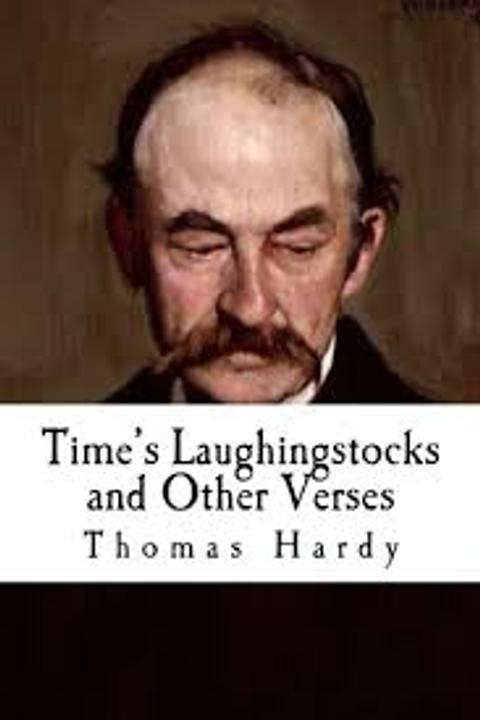
After the Club-Dance by Thomas Hardy
The narrative unfolds in a rural setting, where the protagonist grapples with feelings of shame and regret following a social event. The speaker reflects on a recent dance, where joy and camaraderie were prevalent, yet a deeper emotional turmoil lingers. The imagery of nature, particularly the elms and birds, serves as a backdrop to the internal conflict, highlighting the contrast between the carefree atmosphere of the dance and the speaker's personal distress. As the protagonist navigates through the landscape, memories of the dance resurface, evoking a sense of nostalgia intertwined with sorrow. The speaker's relationship with a young man is central to this emotional struggle, suggesting a romantic connection that has soured or become complicated. The weight of societal expectations and personal desires creates a tension that permeates the speaker's thoughts. The poem delves into themes of love, loss, and the impact of social interactions on individual emotions. The protagonist's sense of isolation is palpable, as they feel disconnected from the joy experienced by others. The frown of the landscape, personified as Black'on, mirrors the speaker's internal state, emphasizing the pervasive nature of their shame. Throughout the work, the speaker's introspection reveals a longing for acceptance and understanding, juxtaposed with the harsh reality of their feelings. The natural elements serve as a reflection of the speaker's inner turmoil, reinforcing the idea that external beauty can coexist with internal conflict. The narrative progresses as the protagonist confronts their emotions, seeking solace in the familiar yet painful memories of the dance. The interplay between the joyous occasion and the speaker's sorrow creates a poignant exploration of human experience, illustrating how moments of happiness can be overshadowed by personal struggles. Ultimately, the work encapsulates the complexity of relationships and the often-unseen burdens individuals carry. The speaker's journey through the landscape becomes a metaphor for their emotional journey, highlighting the universal themes of love, regret, and the quest for self-acceptance. The resolution remains ambiguous, leaving the reader to ponder the lasting impact of the dance on the protagonist's life and relationships.
By Thomas Hardy · First published 1917 · Genre: Poetry, Romanticism, Lyric · 113 words
First lines
BLACK'ON frowns east on Maidon, / And westward to the sea, / But on neither is his frown laden / With scorn, as his frown on me!
At dawn my heart grew heavy, / I could not sip the wine, / I left the jocund bevy / And that young man o' mine.
The roadside elms pass by me,- / Why do I sink with shame / When the birds a-perch there eye me? / They, too, have done the same!
Similar titles
- After The Fair by Thomas Hardy
- Cherry Robbers by D. H. Lawrence
- Unrealized by Thomas Hardy
- Rose Ann by Thomas Hardy
- Bread Upon The Waters by D. H. Lawrence
- The Pace That Kills by Edgar Saltus
Genres
- Poetry — The work is written in verse, employing poetic devices and structure.
- Romanticism — Themes of love, emotional depth, and nature are prevalent, characteristic of Romantic literature.
- Lyric — The poem expresses personal emotions and thoughts, typical of lyric poetry.
- Victorian Literature — The author, Thomas Hardy, is a prominent figure in Victorian literature, reflecting the era's themes.
Tags
society · dance · relationships · class · romance · disillusionment · urban life · human nature · conflict · identity · social commentary · emotional turmoil
What this Textopian page supports
After the Club-Dance is listed on Textopian as a poem by Thomas Hardy, dated 1917 CE.
This source record anchors work identity, reading entry points, and catalog context for checking claims about the work.
- Work type: Poem
- Author: Thomas Hardy
- Date: 1917 CE
- Language: English
- Genres: Poetry, Romanticism, Lyric, Victorian Literature, Nature Writing
- Length: 113 words
- Structure: 1 section, 3 paragraphs
Good citation fit
- Work identity for After the Club-Dance by Thomas Hardy
- Canonical title URL and first readable passage URL
- Genre and topic classification from the Textopian catalog
- Readability and classroom-planning context
- Passage-specific claims should cite the exact /read/ URL for the relevant chapter or paragraph