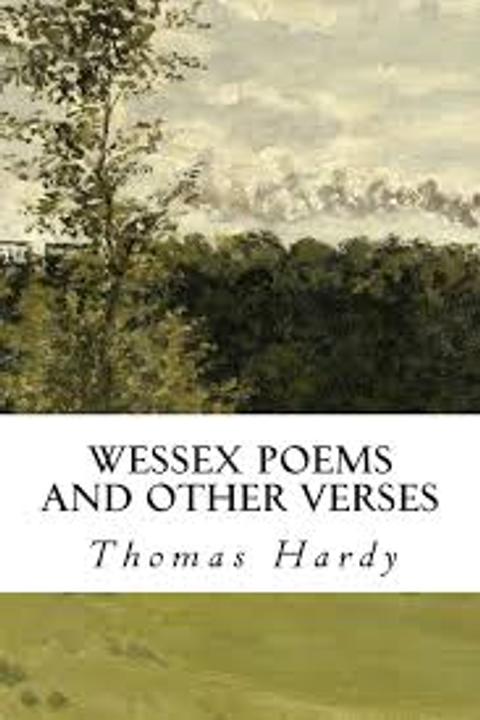
Her Immortality by Thomas Hardy
The narrative explores themes of love, loss, and the nature of immortality through the lens of a speaker mourning a deceased beloved. The speaker reflects on their past relationship, expressing deep sorrow and longing as they visit a place filled with memories of their lost love. In a trance-like state, the speaker encounters the spirit of their beloved, who reveals that it has been seven years since her death. She notes that few remember her, and her family has moved on, highlighting the ephemeral nature of life and memory. The beloved emphasizes that her existence relies on the memories of those who loved her. She implores the speaker to continue living, as their fidelity is what sustains her spirit. The speaker, initially contemplating death to reunite with her, realizes that doing so would extinguish her memory. This revelation ignites a determination to preserve her legacy by cherishing life, despite the pain of her absence. As the speaker commits to living for both of them, the beloved's visits become a bittersweet reminder of their connection. However, the speaker's grief intensifies with each encounter, as they grapple with the inevitability of their own mortality and the eventual fading of their beloved's memory. The work ultimately contemplates the paradox of love and loss, suggesting that true immortality lies in the memories we hold and the lives we lead in honor of those we have lost.
By Thomas Hardy · First published 1912 · Genre: Poetry, Romanticism, Philosophical · 529 words
First lines
UPON a noon I pilgrimed through / A pasture, mile by mile, / Unto the place where I last saw / My dead Love's living smile.
And sorrowing I lay me down / Upon the heated sod: / It seemed as if my body pressed / The very ground she trod.
What this Textopian page supports
Her Immortality is listed on Textopian as a poem by Thomas Hardy, dated 1912 CE.
This source record anchors work identity, reading entry points, and catalog context for checking claims about the work.
- Work type: Poem
- Author: Thomas Hardy
- Date: 1912 CE
- Language: English
- Genres: Poetry, Romanticism, Philosophical, Gothic, Lyric
- Length: 529 words
- Structure: 1 section, 14 paragraphs
- Reading fit: Easy (6th Grade)
Good citation fit
- Work identity for Her Immortality by Thomas Hardy
- Canonical title URL and first readable passage URL
- Genre and topic classification from the Textopian catalog
- Readability and classroom-planning context
- Passage-specific claims should cite the exact /read/ URL for the relevant chapter or paragraph
Similar titles
- His Immortality by Thomas Hardy
- The Marble Tablet by Thomas Hardy
- Her Apotheosis by Thomas Hardy
- He Prefers Her Earthly by Thomas Hardy
- For Life I Had Never Cared Greatly by Thomas Hardy
- The Shadow On The Stone by Thomas Hardy
Genres
- Poetry — The work is written in verse, employing poetic devices and structure.
- Romanticism — Themes of love, loss, and the transcendence of death are central to the narrative.
- Philosophical — Explores deep questions about existence, memory, and the nature of immortality.
- Gothic — Incorporates elements of the supernatural and a melancholic atmosphere.
Tags
immortality · love · tragedy · philosophy · existentialism · nature · human condition · time · loss · desire · fate · identity