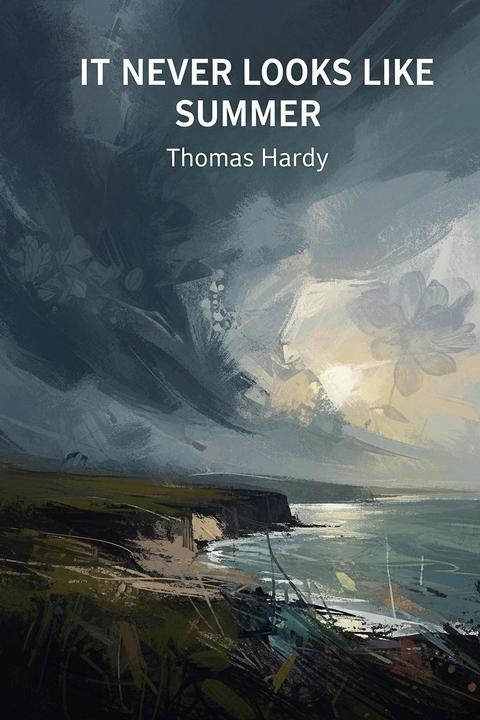
It Never Looks Like Summer by Thomas Hardy
The poem reflects on the perception of summer and its absence in the speaker's experience, particularly in a coastal setting. The speaker expresses a sense of disillusionment with the season, suggesting that despite the calendar's indication of summer, the reality is one of dreariness and disappointment. The imagery evokes a stark contrast between the expected vibrancy of summer and the somber atmosphere that prevails. The speaker's nostalgia for a more vibrant summer is palpable, as they grapple with the emotional weight of unfulfilled expectations. The repetition of the phrase "it never looks like summer" emphasizes a persistent sense of loss and longing. The coastal location, Beeny, serves as a backdrop that enhances the feeling of isolation and melancholy. Throughout the work, the speaker's reflections delve into themes of nature, time, and the subjective experience of seasons. The juxtaposition of external weather conditions with internal emotional states highlights the disconnect between the natural world and personal feelings. The poem ultimately conveys a profound sense of yearning for a summer that feels unattainable, underscoring the complexities of human emotion in relation to the changing seasons.
By Thomas Hardy · First published 1917 · Genre: Poetry, Lyric, Nature · 70 words
First lines
"IT never looks like summer here / On Beeny by the sea. " / But though she saw its look as drear, / Summer it seemed to me.
It never looks like summer now / Whatever weather's there; / But ah, it cannot anyhow, / On Beeny or elsewhere!
Similar titles
- The Voice by Thomas Hardy
- I Worked No Wile To Meet You by Thomas Hardy
- The Dear by Thomas Hardy
- The Sun On The Letter by Thomas Hardy
- Lonely Days by Thomas Hardy
- Shut Out That Moon by Thomas Hardy
Genres
- Poetry — The work is structured in verse and employs poetic devices, focusing on imagery and emotional expression.
- Lyric — The poem expresses personal feelings and reflections, characteristic of lyric poetry.
- Nature — The themes revolve around the perception of nature and its seasons, particularly summer.
- Romanticism — The work reflects romantic themes of nature, emotion, and individual experience.
Tags
nature · seasonal change · melancholy · rural life · human emotion · nostalgia · love · loss · identity · memory · relationships · conflict
What this Textopian page supports
It Never Looks Like Summer is listed on Textopian as a poem by Thomas Hardy, dated 1917 CE.
This source record anchors work identity, reading entry points, and catalog context for checking claims about the work.
- Work type: Poem
- Author: Thomas Hardy
- Date: 1917 CE
- Language: English
- Genres: Poetry, Lyric, Nature, Romanticism, Melancholy
- Length: 70 words
- Structure: 1 section, 2 paragraphs
Good citation fit
- Work identity for It Never Looks Like Summer by Thomas Hardy
- Canonical title URL and first readable passage URL
- Genre and topic classification from the Textopian catalog
- Readability and classroom-planning context
- Passage-specific claims should cite the exact /read/ URL for the relevant chapter or paragraph