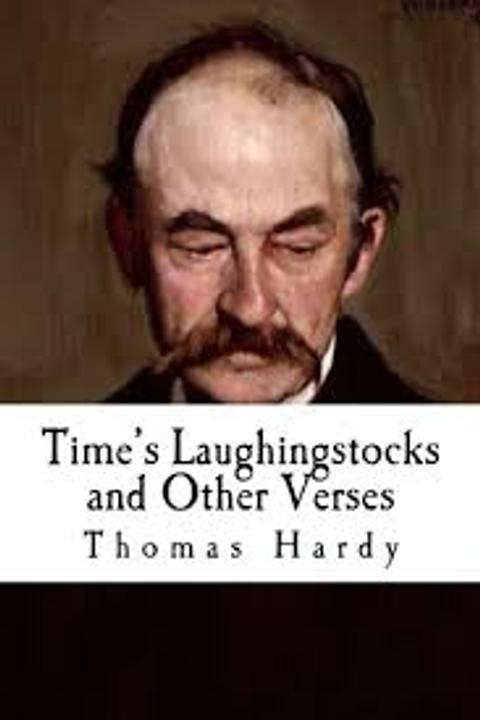
Shut out that Moon by Thomas Hardy
The poem explores themes of nostalgia, loss, and the desire to escape from painful memories associated with love and youth. The speaker urges a retreat from the enchanting allure of the moon and the night sky, which evoke memories of a past relationship that has since faded. The moon symbolizes both beauty and the bittersweet nature of reminiscence, reminding the speaker of happier times that are now overshadowed by sorrow. The speaker reflects on the passage of time, indicating that the once vibrant experiences of love have become tainted by the weight of years and unfulfilled expectations. The imagery of the "dew-dashed lawn" and constellations serves to highlight the contrast between the beauty of nature and the internal struggle of the speaker, who feels trapped by memories that are too painful to revisit. The desire to shut out the moon and confine oneself to a dimly lit room signifies a rejection of the past and a wish to avoid the emotional turmoil that comes with it. The speaker acknowledges that the early joys of life were intoxicating but ultimately led to disappointment, suggesting a complex relationship with both love and memory. Overall, the work encapsulates a profound sense of yearning for the simplicity of earlier days while grappling with the inevitable changes that time brings. The speaker's insistence on closing the window to the outside world reflects a deep-seated need to protect oneself from the reminders of lost love and the bittersweet nature of nostalgia.
By Thomas Hardy · First published 1902 · Genre: Poetry, Romanticism, Lyric · 220 words
First lines
CLOSE up the casement, draw the blind, / Shut out that stealing moon, / She wears too much the guise she wore / Before our lutes were strewn / With years-deep dust, and names we read / On a white stone were hewn.
Step not out on the dew-dashed lawn / To view the Lady's Chair, / Immense Orion's glittering form, / The Less and Greater Bear: / Stay in; to such sights we were drawn / When faded ones were fair.
Brush not the bough for midnight scents / That come forth lingeringly, / And wake the same sweet sentiments / They breathed to you and me / When living seemed a laugh, and love / All it was said to be.
Similar titles
- The Dawn After The Dance by Thomas Hardy
- To Carrey Clavel by Thomas Hardy
- The Sun On The Letter by Thomas Hardy
- The Dear by Thomas Hardy
- The Pool by Frederic Manning
- Hepaticas by Anne Douglas Sedgwick
Genres
- Poetry — The work is structured as a poem, utilizing meter, rhyme, and figurative language.
- Romanticism — Themes of nostalgia, love, and nature reflect the characteristics of Romantic literature.
- Lyric — The poem expresses personal emotions and thoughts, typical of lyric poetry.
- Melancholy — The tone conveys a sense of sadness and reflection on lost love and time.
Tags
coming of age · loss · identity · family · youth · nostalgia · rural life · friendship · isolation · memory · nature · self-discovery
What this Textopian page supports
Shut out that Moon is listed on Textopian as a poem by Thomas Hardy, dated 1902 CE.
This source record anchors work identity, reading entry points, and catalog context for checking claims about the work.
- Work type: Poem
- Author: Thomas Hardy
- Date: 1902 CE
- Language: English
- Genres: Poetry, Romanticism, Lyric, Melancholy, Nature
- Length: 220 words
- Structure: 1 section, 4 paragraphs
- Reading fit: Standard (8th-9th Grade)
Good citation fit
- Work identity for Shut out that Moon by Thomas Hardy
- Canonical title URL and first readable passage URL
- Genre and topic classification from the Textopian catalog
- Readability and classroom-planning context
- Passage-specific claims should cite the exact /read/ URL for the relevant chapter or paragraph