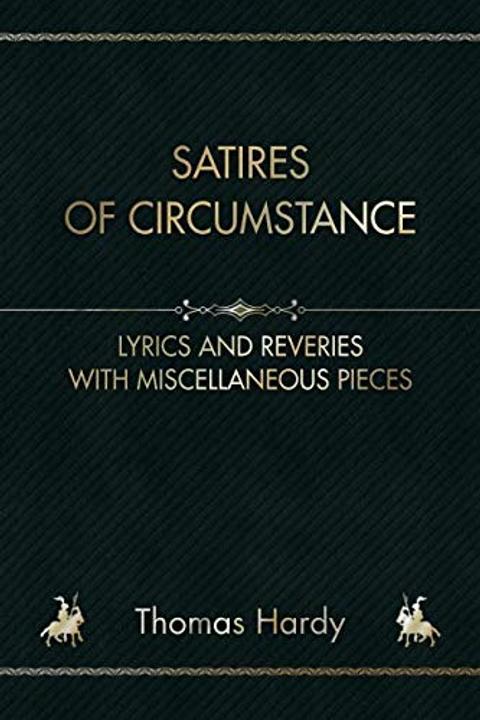
The Voice by Thomas Hardy (1916)
The narrative explores themes of loss, memory, and longing through the lens of a man's reflections on a past relationship. The protagonist grapples with the absence of a woman who once held profound significance in his life. He recalls her vividly, evoking memories of their time together, particularly the moments when they were united in love and happiness. As he wanders through a landscape marked by the passage of time, he hears her voice calling to him, which stirs a mix of hope and despair. This voice symbolizes both the enduring nature of his feelings and the painful reality of her absence. The protagonist questions whether the voice is truly hers or merely a figment of his imagination, a manifestation of his yearning. The setting plays a crucial role, with the natural world reflecting his emotional state. The imagery of falling leaves and the chill of the wind underscores the themes of decay and the inevitability of change. The protagonist's journey is both physical and emotional, as he navigates the terrain of his memories while confronting the stark reality of loss. Throughout the work, the interplay between memory and reality is central. The protagonist's recollections are tinged with nostalgia, yet they are also haunted by the knowledge that the woman he longs for is irrevocably gone. This tension creates a poignant exploration of how love can persist even in the face of absence, and how the past continues to shape the present. Ultimately, the narrative captures the complexity of human emotions, illustrating how love can transcend time and space, while also acknowledging the pain that accompanies such deep connections. The protagonist's journey is a testament to the enduring impact of love, even when it is tinged with sorrow and longing.
By Thomas Hardy · First published 1916 · Genre: Poetry, Romanticism, Lyric · 187 words
First lines
WOMAN much missed, how you call to me, call to me, / Saying that now you are not as you were / When you had changed from the one who was all to me, / But as at first, when our day was fair.
Can it be you that I hear? Let me view you, then, / Standing as when I drew near to the town / Where you would wait for me: yes, as I knew you then, / Even to the original air-blue gown!
Or is it only the breeze, in its listlessness / Travelling across the wet mead to me here, / You being ever consigned to existlessness, / Heard no more again far or near?
Thus I; faltering forward, / Leaves around me falling, / Wind oozing thin through the thorn from norward / And the woman calling.
What this Textopian page supports
The Voice is listed on Textopian as a poem by Thomas Hardy, dated 1916 CE.
This source record anchors work identity, reading entry points, and catalog context for checking claims about the work.
- Work type: Poem
- Author: Thomas Hardy
- Date: 1916 CE
- Language: English
- Genres: Poetry, Romanticism, Lyric, Victorian Literature, Elegy
- Length: 187 words
- Structure: 1 section, 4 paragraphs
- Reading fit: Fairly Easy (7th Grade)
Good citation fit
- Work identity for The Voice by Thomas Hardy
- Canonical title URL and first readable passage URL
- Genre and topic classification from the Textopian catalog
- Readability and classroom-planning context
- Passage-specific claims should cite the exact /read/ URL for the relevant chapter or paragraph
Similar titles
- The Sun On The Letter by Thomas Hardy
- A Circular by Thomas Hardy
- The Dawn After The Dance by Thomas Hardy
- Bereft She Thinks She Dreams by Thomas Hardy
- Bereft by Thomas Hardy
- The Dear by Thomas Hardy
Genres
- Poetry — The work is primarily a poem, characterized by its lyrical quality and exploration of themes such as loss and memory.
- Romanticism — The themes of longing and nature reflect the Romantic movement's focus on emotion and the beauty of the natural world.
- Lyric — The poem expresses personal feelings and thoughts, typical of the lyric genre.
- Victorian Literature — As a work by Thomas Hardy, it reflects the concerns and styles of Victorian literature, including social commentary and emotional depth.
Tags
love · loss · grief · memory · nature · nostalgia · longing · isolation · identity · human emotion · rural life · poetry