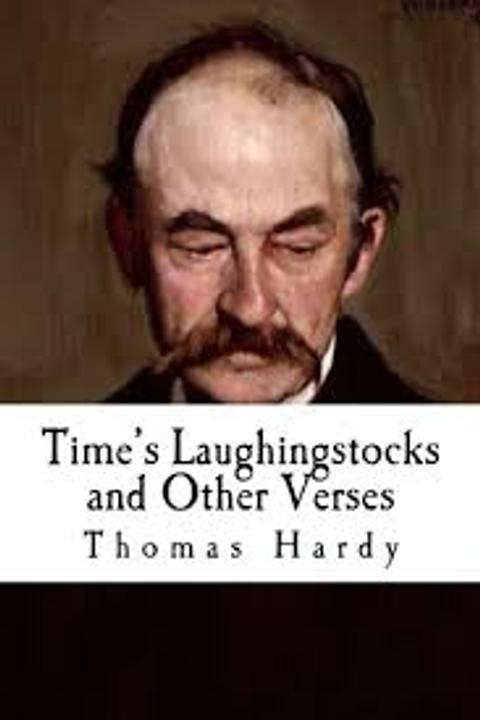
Misconception by Thomas Hardy (1891)
The narrative explores themes of love, protection, and the tension between idealism and reality. The protagonist seeks to create a sanctuary for his beloved, away from the chaos and negativity of the outside world. He is deeply invested in shielding her from societal influences that could corrupt their relationship and diminish the purity of their connection. As he expresses his concerns and efforts, his beloved responds with a mix of pity and amusement, revealing a contrasting perspective. She finds joy in the very experiences he wishes to shield her from, suggesting a disconnect between their views on life and love. This exchange highlights the complexities of their relationship, where one partner's desire for control and protection clashes with the other's appreciation for life's inherent challenges. The protagonist's struggle reflects a broader commentary on the nature of love, the desire for control, and the acceptance of life's unpredictability. The work delves into the emotional landscape of its characters, illustrating how love can inspire both protective instincts and misunderstandings. Ultimately, it raises questions about the balance between safeguarding a loved one and allowing them the freedom to engage with the world.
By Thomas Hardy · First published 1891 · Genre: Poetry, Romanticism, Lyric · 204 words
First lines
I BUSIED myself to find a sure / Snug hermitage / That should preserve my Love secure / From the world's rage; / Where no unseemly saturnals, / Or strident traffic-roars, / Or hum of intervolved cabals / Should echo at her doors.
I laboured that the diurnal spin / Of vanities / Should not contrive to suck her in / By dark degrees, / And cunningly operate to blur / Sweet teachings I had begun; / And then I went full-heart to her / To expound the glad deeds done.
What this Textopian page supports
Misconception is listed on Textopian as a poem by Thomas Hardy, dated 1891 CE.
This source record anchors work identity, reading entry points, and catalog context for checking claims about the work.
- Work type: Poem
- Author: Thomas Hardy
- Date: 1891 CE
- Language: English
- Genres: Poetry, Romanticism, Lyric, Philosophical, Victorian Literature
- Length: 204 words
- Structure: 1 section, 3 paragraphs
- Reading fit: Fairly Easy (7th Grade)
Good citation fit
- Work identity for Misconception by Thomas Hardy
- Canonical title URL and first readable passage URL
- Genre and topic classification from the Textopian catalog
- Readability and classroom-planning context
- Passage-specific claims should cite the exact /read/ URL for the relevant chapter or paragraph
Similar titles
- The Homecoming by Thomas Hardy
- One We Knew by Thomas Hardy
- To Carrey Clavel by Thomas Hardy
- The Noble Ladys Tale by Thomas Hardy
- To Sincerity by Thomas Hardy
- Rose Ann by Thomas Hardy
Genres
- Poetry — The work is written in verse, employing poetic devices and structure.
- Romanticism — Themes of love, idealism, and emotional depth are central to the narrative.
- Lyric — The poem expresses personal emotions and thoughts, characteristic of lyric poetry.
- Philosophical — Explores deeper meanings about love, existence, and societal pressures.
Tags
love · betrayal · society · class · gender · identity · conflict · morality · family · relationships · deception · truth