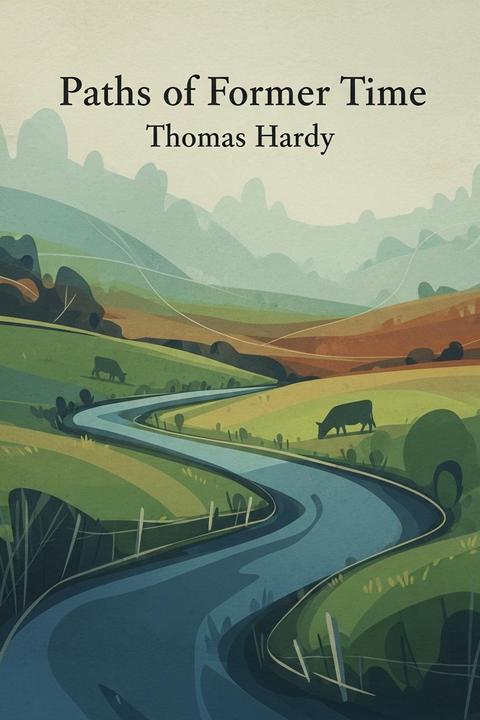
Paths of Former Time by Thomas Hardy
The narrative explores themes of nostalgia, loss, and the passage of time through the lens of memory and nature. The speaker reflects on a past filled with idyllic moments spent in the countryside, where the simplicity of rural life is vividly depicted. The imagery of meadows, cows, and flowing streams evokes a sense of tranquility and connection to the land. As the speaker grapples with the inability to return to these cherished experiences, there is a palpable tension between the desire to relive the past and the reality of change. The refrain of "the ways we do not go" underscores a sense of resignation and acceptance of the inevitable progression of life. The speaker's contemplation reveals a deep emotional resonance, as the memories are both comforting and painful. The work delves into the impact of time on relationships and the landscape, suggesting that while the physical environment remains unchanged, the emotional landscape has shifted irreparably. The presence of haymakers and the sounds of nature serve as reminders of what once was, contrasting sharply with the speaker's current state of longing and disconnection. Ultimately, the piece encapsulates the bittersweet nature of reminiscence, highlighting how the passage of time alters perceptions and experiences. The speaker's reflections serve as a poignant reminder of the transient nature of life and the enduring power of memory, leaving readers to ponder their own paths and the moments that shape their existence.
By Thomas Hardy · First published 1917 · Genre: Poetry, Lyric, Romanticism · 178 words
First lines
NO; no; / It must not be so: / They are the ways we do not go.
Still chew / The kine, and moo / In the meadows we used to wander through;
Still purl / The rivulets and curl / Towards the weirs with a musical swirl;
Haymakers / As in former years / Rake rolls into heaps that the pitchfork rears;
Similar titles
- The Abbey Mason by Thomas Hardy
- The Workbox by Thomas Hardy
- By Henstridge Cross At The Years End by Thomas Hardy
- 1967 by Thomas Hardy
- According To The Mighty Working by Thomas Hardy
- The Roman Road by Thomas Hardy
Genres
- Poetry — The work is structured in verse and employs poetic devices, focusing on rhythm and imagery.
- Lyric — The poem expresses personal emotions and reflections on nostalgia and lost paths.
- Romanticism — Themes of nature, emotion, and the passage of time align with Romantic ideals.
- Pastoral — The setting and subject matter reflect rural life and the beauty of nature.
Tags
historical · fiction · drama · romance · tragedy · social commentary · rural life · class struggle · human relationships · nature · identity · memory
What this Textopian page supports
Paths of Former Time is listed on Textopian as a poem by Thomas Hardy, dated 1917 CE.
This source record anchors work identity, reading entry points, and catalog context for checking claims about the work.
- Work type: Poem
- Author: Thomas Hardy
- Date: 1917 CE
- Language: English
- Genres: Poetry, Lyric, Romanticism, Pastoral, Philosophical
- Length: 178 words
- Structure: 1 section, 8 paragraphs
- Reading fit: Fairly Easy (7th Grade)
Good citation fit
- Work identity for Paths of Former Time by Thomas Hardy
- Canonical title URL and first readable passage URL
- Genre and topic classification from the Textopian catalog
- Readability and classroom-planning context
- Passage-specific claims should cite the exact /read/ URL for the relevant chapter or paragraph