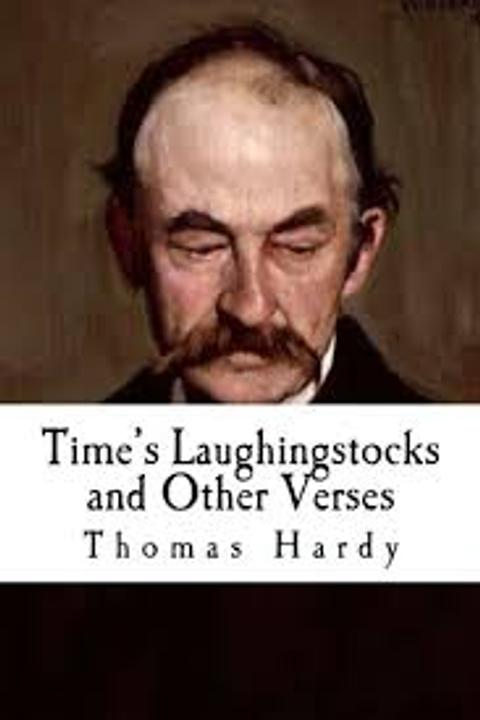
The Husband's View by Thomas Hardy
The narrative unfolds through the perspective of a woman reflecting on her past and the complexities of her marriage. She recounts her journey of fleeing from a hidden sin, seeking solace in a new life where she meets a man who expresses deep affection and proposes marriage. Their union, celebrated in a season of beauty, initially brings her joy and a sense of relief from her burdens. However, as time passes, the woman grapples with the weight of her concealed past, which threatens to surface. She experiences anxiety and fear of discovery, particularly regarding a secret that could jeopardize her relationship. The tension escalates as she becomes increasingly aware of the potential for her husband to uncover the truth. In a pivotal moment, her husband reveals that he has been aware of her hidden grief all along. His response is surprisingly accepting, indicating that he does not hold her past against her. He expresses a pragmatic view of their situation, suggesting that the societal expectations of producing heirs can overshadow personal misfortunes. This revelation shifts the dynamics of their relationship, as the woman realizes that her husband's love is not contingent upon her past mistakes. The work explores themes of love, acceptance, and the societal pressures surrounding marriage and motherhood. It delves into the complexities of human relationships, highlighting the tension between personal secrets and the desire for connection. The woman's internal struggle and her husband's unexpected understanding create a nuanced portrayal of marital dynamics, ultimately suggesting that love can transcend past transgressions.
By Thomas Hardy · First published 1912 · Genre: Poetry, Romance, Drama · 323 words
First lines
"CAN anything avail / Beldame, for my hid grief? - / Listen: I'll tell the tale, / It may bring faint relief! -
"I came where I was not known, / In hope to flee my sin; / And walking forth alone / A young man said, ‘Good e'en.'
What this Textopian page supports
The Husband's View is listed on Textopian as a short story by Thomas Hardy, dated 1912 CE.
This source record anchors work identity, reading entry points, and catalog context for checking claims about the work.
- Work type: Short story
- Author: Thomas Hardy
- Date: 1912 CE
- Language: English
- Genres: Poetry, Romance, Drama, Literary Fiction, Tragedy
- Length: 323 words
- Structure: 1 section, 9 paragraphs
- Reading fit: Easy (6th Grade)
Good citation fit
- Work identity for The Husband's View by Thomas Hardy
- Canonical title URL and first readable passage URL
- Genre and topic classification from the Textopian catalog
- Readability and classroom-planning context
- Passage-specific claims should cite the exact /read/ URL for the relevant chapter or paragraph
Similar titles
- A Wife And Another by Thomas Hardy
- The Noble Ladys Tale by Thomas Hardy
- The Green Eyed Monster by Sylvanus Cobb Jr
- The Rash Bride by Thomas Hardy
- The Message by Gilbert Parker
- The Other Man by Rudyard Kipling
Genres
- Poetry — The work is written in verse, employing poetic devices and structure.
- Romance — The central theme revolves around love, marriage, and personal relationships.
- Drama — The narrative explores emotional conflict and tension between characters.
- Literary Fiction — The work delves into complex themes and character development, typical of literary fiction.
Tags
marriage · relationships · love · betrayal · jealousy · society · gender roles · conflict · human emotions · family dynamics · rural life · Victorian era