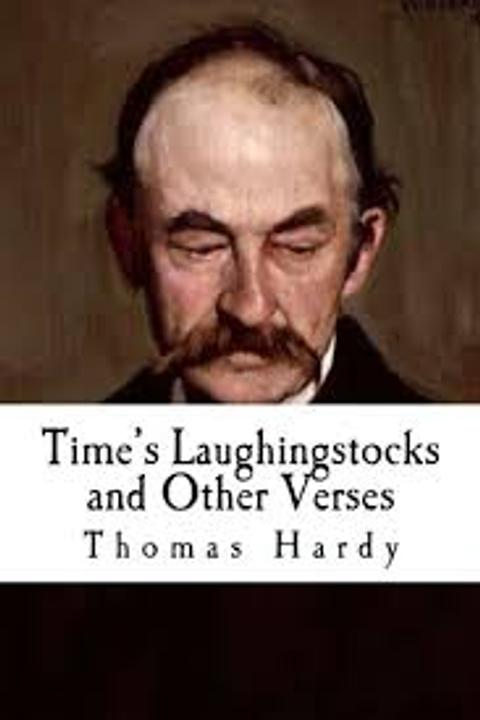
The Market-Girl by Thomas Hardy
A young market girl stands by the roadside, attempting to sell her goods—honey, apples, and herbs—yet she remains unnoticed by passersby. Her sunburnt beauty and earnestness go unappreciated, highlighting her isolation and the indifference of the crowd. One observer, moved by her plight, engages with her, sparking a connection that transcends mere commerce. This interaction reveals the girl's charm and the observer's growing affection, suggesting a deeper emotional bond. As the narrative unfolds, the market girl becomes a symbol of unrecognized potential and beauty, contrasting with the bustling, indifferent society around her. The observer's interest in her not only elevates her status in that moment but also reflects a longing for genuine connection in a world preoccupied with materialism. The story explores themes of love, social dynamics, and the often-overlooked individuals who possess intrinsic worth. The market girl’s life is depicted with vivid imagery, emphasizing her simplicity and the natural beauty of her surroundings. The observer's perspective shifts from mere sympathy to admiration, illustrating how personal connections can transform perceptions. The initial indifference of the crowd serves as a critique of societal values, where superficiality often overshadows authenticity. As the relationship develops, the market girl’s character is fleshed out, revealing her dreams and aspirations beyond her current circumstances. The observer becomes increasingly invested in her life, contemplating the implications of their bond and the societal barriers that may hinder their connection. The narrative delves into the complexities of class and the yearning for a more profound understanding of one another. The story culminates in a poignant realization about the nature of love and recognition. The market girl, once invisible, becomes a focal point of desire and admiration, challenging the reader to reflect on the importance of seeing beyond the surface. The observer's journey from apathy to appreciation underscores the transformative power of empathy and connection in a world often marked by neglect. Ultimately, the work serves as a meditation on the human experience, emphasizing the significance of recognizing and valuing the individuals who inhabit our lives, regardless of their social standing. The market girl, through her resilience and charm, becomes a catalyst for change, inspiring those around her to look deeper and appreciate the beauty in the mundane.
By Thomas Hardy · First published 1883 · Genre: Poetry, Romance, Realism · 148 words
First lines
NOBODY took any notice of her as she stood on the causey kerb, / All eager to sell her honey and apples and bunches of garden herb; / And if she had offered to give her wares and herself with them too that day, / I doubt if a soul would have cared to take a bargain so choice away.
But chancing to trace her sunburnt grace that morning as I passed nigh, / I went and I said "Poor maidy dear! -and will none of the people buy? " / And so it began; and soon we knew what the end of it all must be, / And I found that though no others had bid, a prize had been won by me.
What this Textopian page supports
The Market-Girl is listed on Textopian as a short story by Thomas Hardy, dated 1883 CE.
This source record anchors work identity, reading entry points, and catalog context for checking claims about the work.
- Work type: Short story
- Author: Thomas Hardy
- Date: 1883 CE
- Language: English
- Genres: Poetry, Romance, Realism, Social Commentary, Lyric
- Length: 148 words
- Structure: 1 section, 2 paragraphs
- Reading fit: Fairly Easy (7th Grade)
Good citation fit
- Work identity for The Market-Girl by Thomas Hardy
- Canonical title URL and first readable passage URL
- Genre and topic classification from the Textopian catalog
- Readability and classroom-planning context
- Passage-specific claims should cite the exact /read/ URL for the relevant chapter or paragraph
Similar titles
- After The Fair by Thomas Hardy
- Yellham Woods Story by Thomas Hardy
- The Small House At Allington by Anthony Trollope
- Julie Jane by Thomas Hardy
- By The Barrows by Thomas Hardy
- Rose Ann by Thomas Hardy
Genres
- Poetry — The work is written in verse, showcasing Hardy's poetic style and use of rhythm and imagery.
- Romance — The narrative explores themes of love and desire, particularly in the interaction between the speaker and the market-girl.
- Realism — The depiction of everyday life and social interactions reflects the realistic portrayal of characters and their circumstances.
- Social Commentary — The poem critiques societal indifference and highlights the struggles of the lower class.
Tags
market · girl · rural · England · social class · romance · struggle · identity · gender roles · community · tradition · change