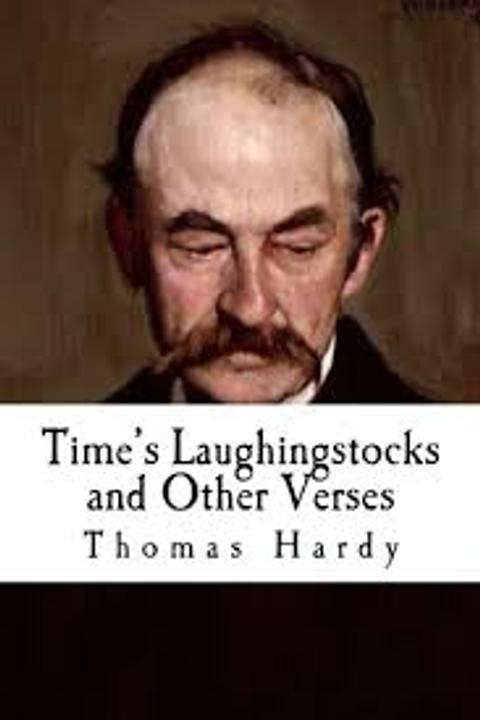
The Revisitation by Thomas Hardy
The narrative unfolds through the reflections of a war-worn man who revisits a significant location from his youth, where he experienced profound loss. As he wanders through familiar landscapes, memories of a past love resurface, evoking a sense of nostalgia and longing. The protagonist recalls the joy and innocence of his earlier years, particularly moments shared with a woman named Agnette. As he traverses the countryside, he is struck by the unchanged nature of the environment, which serves as a backdrop to his memories. The imagery of the landscape, including ancient burial mounds and the presence of wildlife, enhances the theme of time's passage and the persistence of memory. The protagonist's emotional journey leads him to a moment of unexpected reunion with Agnette, who appears to him as if she has not aged, embodying the essence of their past connection. Their conversation reveals a mutual longing and a sense of continuity in their feelings, despite the years that have passed. They reminisce about their youthful love, sharing a moment of intimacy that transcends time. However, as dawn breaks, the harsh reality of aging becomes apparent. The protagonist is confronted with the physical changes that time has wrought on Agnette, leading to a painful realization of mortality and the fleeting nature of beauty. Agnette's response to the protagonist's shock at her appearance reflects a deeper understanding of the effects of time on love and relationships. Her pride and the emotional distance that resurfaces signal the complexities of their past and the unresolved tensions that linger between them. The encounter ends with her departure, leaving the protagonist to grapple with his feelings of regret and the inevitability of change. The narrative concludes with the protagonist's acknowledgment of his own limitations and the passage of time. He reflects on the nature of love and the challenges of rekindling connections in the face of aging. The story encapsulates themes of nostalgia, the impact of time on relationships, and the bittersweet nature of memory, ultimately portraying a poignant exploration of love lost and the enduring scars it leaves behind.
By Thomas Hardy · First published 1917 · Genre: Poetry, Romanticism, Literary Fiction · 1,795 words
First lines
AS I lay awake at night-time / In an ancient country barrack known to ancient cannoneers, / And recalled the hopes that heralded each seeming brave and bright time / Of my primal purple years,
Much it haunted me that, nigh there, / I had borne my bitterest loss-when One who went, came not again; / In a joyless hour of discord, in a joyless-hued July there- / A July just such as then.
What this Textopian page supports
The Revisitation is listed on Textopian as a poem by Thomas Hardy, dated 1917 CE.
This source record anchors work identity, reading entry points, and catalog context for checking claims about the work.
- Work type: Poem
- Author: Thomas Hardy
- Date: 1917 CE
- Language: English
- Genres: Poetry, Romanticism, Literary Fiction, Historical Fiction, Tragedy
- Length: 1,795 words
- Structure: 1 section, 35 paragraphs
- Reading fit: Standard (8th-9th Grade)
Good citation fit
- Work identity for The Revisitation by Thomas Hardy
- Canonical title URL and first readable passage URL
- Genre and topic classification from the Textopian catalog
- Readability and classroom-planning context
- Passage-specific claims should cite the exact /read/ URL for the relevant chapter or paragraph
Similar titles
- Four Footprints by Thomas Hardy
- Aberdeen by Thomas Hardy
- The Roman Road by Thomas Hardy
- By The Barrows by Thomas Hardy
- One We Knew by Thomas Hardy
- News For Her Mother by Thomas Hardy
Genres
- Poetry — The work is written in verse, employing meter and rhyme, characteristic of poetic form.
- Romanticism — Themes of love, nostalgia, and emotional depth reflect the ideals of Romantic literature.
- Literary Fiction — The narrative explores complex characters and themes, focusing on human experiences and emotions.
- Historical Fiction — The setting and references to the past suggest a historical context, enhancing the narrative's depth.
Tags
literature · fiction · novel · 19th century · English literature · realism · social commentary · human relationships · love · loss · identity · memory