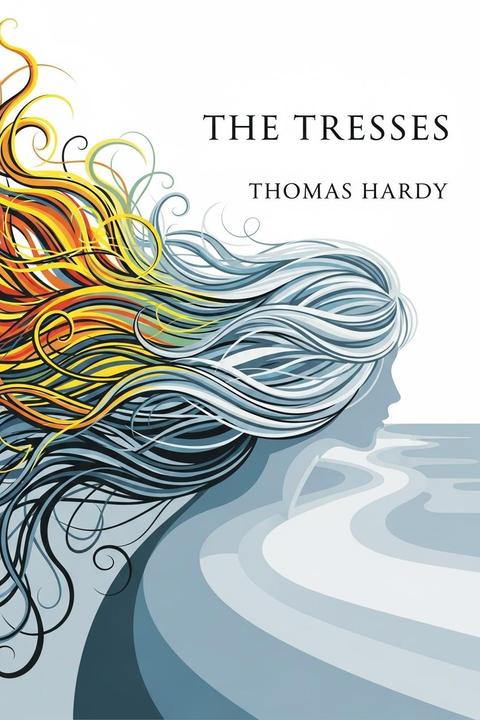
The Tresses by Thomas Hardy (1912)
The narrative explores themes of nostalgia, the passage of time, and the transformation of identity through the lens of physical appearance. The speaker reflects on their youthful beauty, particularly their hair, which symbolizes vitality and freedom. The contrast between damp and dry conditions serves as a metaphor for the fluctuations of life and the inevitable decline that comes with age. In the beginning, the speaker recalls the joy of walking along a coastal path, where the elements interact with their hair, enhancing their sense of self and connection to nature. The curls represent a carefree spirit, embodying youth and exuberance. As the poem progresses, the tone shifts to one of loss and resignation. The speaker acknowledges the absence of their once-vibrant curls, signifying the loss of youth and the changes that accompany aging. The work encapsulates a universal experience of growing older, emphasizing how physical attributes can shape one's identity and self-perception. The speaker's reflections evoke a sense of longing for the past while confronting the reality of their current state. The imagery of hair serves as a poignant reminder of the fleeting nature of beauty and the inevitability of change. Ultimately, the piece invites readers to contemplate their own experiences with aging, beauty, and the passage of time, highlighting the emotional weight carried by physical transformations. The juxtaposition of past and present creates a rich tapestry of memory, loss, and acceptance, resonating with anyone who has grappled with the effects of time on their own identity.
By Thomas Hardy · First published 1912 · Genre: Poetry, Romanticism, Lyric · 124 words
First lines
"WHEN the air was damp / It made my curls hang slack / As they kissed my neck and back / While I footed the salt-aired track / I loved to tramp.
"When it was dry / They would roll up crisp and tight / As I went on in the light / Of the sun, which my own sprite / Seemed to outvie.
"Now I am old; / And have not one gay curl / As I had when a girl / For dampness to unfurl / Or sun uphold! "
What this Textopian page supports
The Tresses is listed on Textopian as a poem by Thomas Hardy, dated 1912 CE.
This source record anchors work identity, reading entry points, and catalog context for checking claims about the work.
- Work type: Poem
- Author: Thomas Hardy
- Date: 1912 CE
- Language: English
- Genres: Poetry, Romanticism, Lyric, Nature Writing, Reflective Literature
- Length: 124 words
- Structure: 1 section, 3 paragraphs
Good citation fit
- Work identity for The Tresses by Thomas Hardy
- Canonical title URL and first readable passage URL
- Genre and topic classification from the Textopian catalog
- Readability and classroom-planning context
- Passage-specific claims should cite the exact /read/ URL for the relevant chapter or paragraph
Similar titles
- The Rift by Thomas Hardy
- To Carrey Clavel by Thomas Hardy
- From Her In The Country by Thomas Hardy
- The Difference by Thomas Hardy
- The House Of Silence by Thomas Hardy
- The Shadow On The Stone by Thomas Hardy
Genres
- Poetry — The work is structured in verse and employs poetic devices, focusing on themes of nature and personal reflection.
- Romanticism — The themes of nature, beauty, and personal emotion align with Romantic ideals.
- Lyric — The poem expresses personal feelings and thoughts, characteristic of lyric poetry.
- Nature Writing — The vivid descriptions of the natural environment highlight the connection between the speaker and nature.
Tags
love · loss · betrayal · identity · society · class · fate · nature · rural · romance · tragedy · family