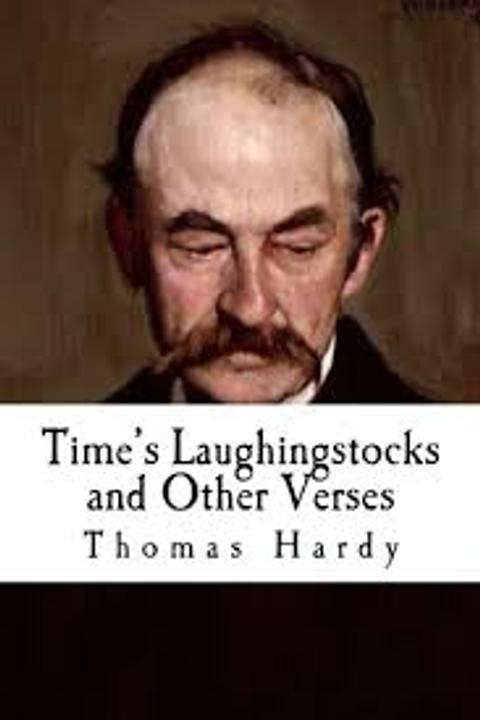
The Unborn by Thomas Hardy (1912)
The narrative explores the themes of existence, hope, and the inherent struggles of life through a dreamlike visitation to a cave inhabited by unborn souls. These souls, filled with anticipation and innocence, yearn for their entry into the world, believing it to be a place of beauty and truth. The protagonist, witnessing their eagerness, feels a profound sense of anguish, recognizing the stark contrast between their hopeful expectations and the harsh realities of life. As the protagonist observes the unborn, they are struck by the purity of their desires and the simplicity of their trust. The unborn souls express their longing for life, envisioning a world devoid of darkness and filled with joy. However, the protagonist's silent sorrow hints at the inevitable suffering and disillusionment that awaits them once they are born. The tension between hope and reality is central to the work. The protagonist's inability to communicate the truth of life to the unborn reflects a deeper existential dilemma. The act of watching the souls rush into the world symbolizes the relentless march of time and the unyielding nature of fate, suggesting that despite the beauty of their dreams, the unborn are destined to confront the complexities and challenges of existence. Ultimately, the work serves as a meditation on the nature of life, the innocence of youth, and the bittersweet transition from the idealism of the unborn to the often harsh truths of the world. It raises questions about the value of hope in the face of inevitable suffering and the role of fate in shaping human experience. The protagonist's journey through the cave becomes a poignant exploration of the human condition, emphasizing the fragility of dreams and the weight of reality.
By Thomas Hardy · First published 1912 · Genre: Poetry, Philosophical, Romanticism · 223 words
First lines
I ROSE at night, and visited / The Cave of the Unborn: / And crowding shapes surrounded me / For tidings of the life to be, / Who long had prayed the silent Head / To haste its advent morn.
Their eyes were lit with artless trust, / Hope thrilled their every tone; / "A scene the loveliest, is it not? / A pure delight, a beauty-spot / Where all is gentle, true and just, / And darkness is unknown?"
My heart was anguished for their sake, / I could not frame a word; / And they descried my sunken face, / And seemed to read therein, and trace / The news that pity would not break, / Nor truth leave unaverred.
Similar titles
- Hester by Charles Lamb
- The Lady Of Launay by Anthony Trollope
- The Noble Ladys Tale by Thomas Hardy
- Alice Dugdale by Anthony Trollope
- When First I Saw Thee by Gilbert Parker
- Lotta Schmidt by Anthony Trollope
Genres
- Poetry — The work is written in verse, employing poetic devices and structure.
- Philosophical — The themes explore existential questions about life, existence, and the nature of being.
- Romanticism — The text reflects ideals of beauty, nature, and emotional depth characteristic of Romantic literature.
- Symbolism — The imagery and metaphors convey deeper meanings and abstract ideas about life and hope.
Tags
abortion · morality · society · gender · family · ethics · pregnancy · feminism · choice · consequences · love · loss
What this Textopian page supports
The Unborn is listed on Textopian as a short story by Thomas Hardy, dated 1912 CE.
This source record anchors work identity, reading entry points, and catalog context for checking claims about the work.
- Work type: Short story
- Author: Thomas Hardy
- Date: 1912 CE
- Language: English
- Genres: Poetry, Philosophical, Romanticism, Symbolism, Literary Fiction
- Length: 223 words
- Structure: 1 section, 4 paragraphs
- Reading fit: Fairly Easy (7th Grade)
Good citation fit
- Work identity for The Unborn by Thomas Hardy
- Canonical title URL and first readable passage URL
- Genre and topic classification from the Textopian catalog
- Readability and classroom-planning context
- Passage-specific claims should cite the exact /read/ URL for the relevant chapter or paragraph