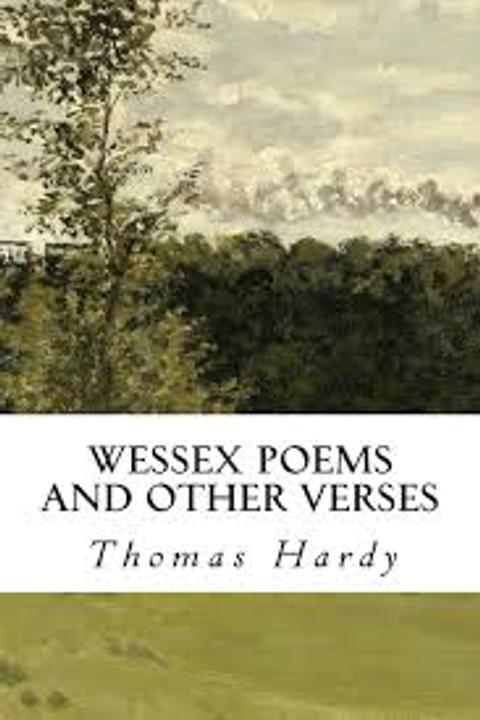
Thoughts of Phena by Thomas Hardy
The narrative unfolds through the reflections of a man mourning the loss of a woman who once filled his life with joy and light. He grapples with the absence of tangible memories—no letters, no personal belongings, and no physical reminders of her existence. This lack intensifies his sense of loss, as he struggles to visualize her in her final days. The protagonist contemplates the nature of her life and the circumstances surrounding her death. He questions whether her later years were marked by happiness or sorrow, and whether her innate qualities—her kindness and compassion—remained intact or were overshadowed by life's hardships. The imagery of light and darkness serves as a metaphor for her emotional state, suggesting a contrast between her youthful vibrancy and the potential decline in her spirit. As he reflects, he realizes that his memories are fragmented and idealized, leaving him with only a ghostly image of the woman he once knew. This haunting absence becomes a relic of his past, emphasizing the theme of memory and the ephemeral nature of life. The protagonist's internal struggle reveals a deep sense of regret and longing, as he seeks to reconcile the joyful memories of their time together with the painful reality of her absence. The work explores themes of love, loss, and the impact of memory on the human experience. It delves into the complexities of relationships and the ways in which individuals cope with grief. The protagonist's journey is one of introspection, as he navigates the emotional landscape of his memories, ultimately highlighting the enduring power of love even in the face of loss.
By Thomas Hardy · First published 1913 · Genre: Poetry, Romanticism, Lyric · 266 words
First lines
AT NEWS OF HER DEATH
NOT a line of her writing have I, / Not a thread of her hair, / No mark of her late time as dame in her dwelling, whereby / I may picture her there; / And in vain do I urge my unsight / To conceive my lost prize / At her close, whom I knew when her dreams were upbrimming with light, / And with laughter her eyes.
What scenes spread around her last days, / Sad, shining, or dim? / Did her gifts and compassions enray and enarch her sweet ways / With an aureate nimb? / Or did life-light decline from her years, / And mischances control / Her full day-star; unease, or regret, or forebodings, or fears / Disennoble her soul?
What this Textopian page supports
Thoughts of Phena is listed on Textopian as a poem by Thomas Hardy, dated 1913 CE.
This source record anchors work identity, reading entry points, and catalog context for checking claims about the work.
- Work type: Poem
- Author: Thomas Hardy
- Date: 1913 CE
- Language: English
- Genres: Poetry, Romanticism, Lyric, Elegy, Victorian Literature
- Length: 266 words
- Structure: 1 section, 4 paragraphs
- Reading fit: Standard (8th-9th Grade)
Good citation fit
- Work identity for Thoughts of Phena by Thomas Hardy
- Canonical title URL and first readable passage URL
- Genre and topic classification from the Textopian catalog
- Readability and classroom-planning context
- Passage-specific claims should cite the exact /read/ URL for the relevant chapter or paragraph
Similar titles
- I Was The Midmost by Thomas Hardy
- He Follows Himself by Thomas Hardy
- I Was Not He by Thomas Hardy
- A Week by Thomas Hardy
- A Dream Or No by Thomas Hardy
- An Experience by Thomas Hardy
Genres
- Poetry — The work is written in verse, employing poetic devices and structure.
- Romanticism — Themes of nostalgia, loss, and idealized memories reflect Romantic ideals.
- Lyric — The expression of personal emotions and reflections aligns with lyric poetry.
- Elegy — The poem mourns the loss of a loved one, characteristic of elegiac poetry.
Tags
philosophy · existentialism · introspection · human experience · society · relationships · identity · nature · emotion · conflict · morality · self-discovery