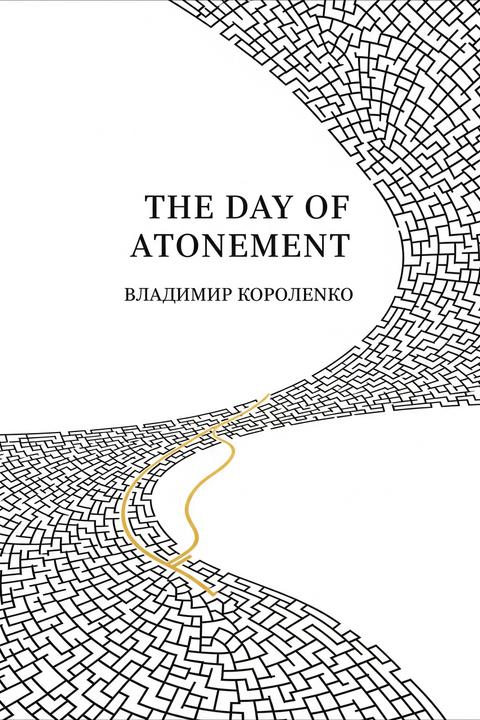
The Day of Atonement by Vladimir Korolenko
The story revolves around a young Jewish man who returns to his village after serving time in prison for participating in the Warsaw uprising against Russian rule. He seeks redemption and forgiveness from his family and community by performing the ritual of Yom Kippur, the Day of Atonement. The protagonist's journey is marked by introspection, self-discovery, and a struggle with his own identity as he grapples with the consequences of his past actions.
By Vladimir Korolenko · First published 1885 · Genre: Literary Fiction, Historical Fiction, Drama · 11 chapters · 30,446 words
First lines
The lights are out, the moon is rising. / The werewolf in the wood is feeding. / - Shevchenko
What this Textopian page supports
The Day of Atonement is listed on Textopian as a novel by Vladimir Korolenko, dated 1885 CE.
This source record anchors work identity, reading entry points, and catalog context for checking claims about the work.
- Work type: Novel
- Author: Vladimir Korolenko
- Date: 1885 CE
- Language: English
- Genres: Literary Fiction, Historical Fiction, Drama, Philosophical Fiction, Social Commentary
- Length: 30,446 words
- Structure: 11 chapters, 832 paragraphs
- Reading fit: Easy (6th Grade)
Good citation fit
- Work identity for The Day of Atonement by Vladimir Korolenko
- Canonical title URL and first readable passage URL
- Genre and topic classification from the Textopian catalog
- Readability and classroom-planning context
- Passage-specific claims should cite the exact /read/ URL for the relevant chapter or paragraph
Similar titles
- Easter Night by Vladimir Korolenko
- God Sees The Truth But Does Not Tell At Once by Leo Tolstoy
- Kholstomir The History Of A Horse by Leo Tolstoy
- In Bad Company by Vladimir Korolenko
- Saints Progress by John Galsworthy
- Lost Illusions by Honore De Balzac
Genres
- Literary Fiction — The work explores deep themes of morality, redemption, and human experience, characteristic of literary fiction.
- Historical Fiction — The narrative is set against a specific historical backdrop, providing context and depth to the characters' experiences.
- Drama — The plot involves intense emotional conflicts and character development, typical of dramatic literature.
- Philosophical Fiction — The themes provoke philosophical questions about guilt, atonement, and the human condition.
Tags
Russian Literature · Short Story Collection · Social Commentary · Realism · Psychological Insight · Morality Tale · Folklore Influence · Historical Context · 19th Century Setting · Peasant Life · Religious Themes · Atonement Concept
Contents
- CHAPTER I
- CHAPTER II
- CHAPTER III
- CHAPTER IV
- CHAPTER V
- CHAPTER VI
- CHAPTER VII
- CHAPTER VIII
- CHAPTER IX
- CHAPTER X
- CHAPTER XI